
Philippine Airlines Expands Manila to Melbourne Service to Daily Flights Starting November 2026
Philippine Airlines is increasing its Manila-Melbourne flight frequency by 40%, moving to a daily schedule from November 19, 2026, to meet peak year-end demand.

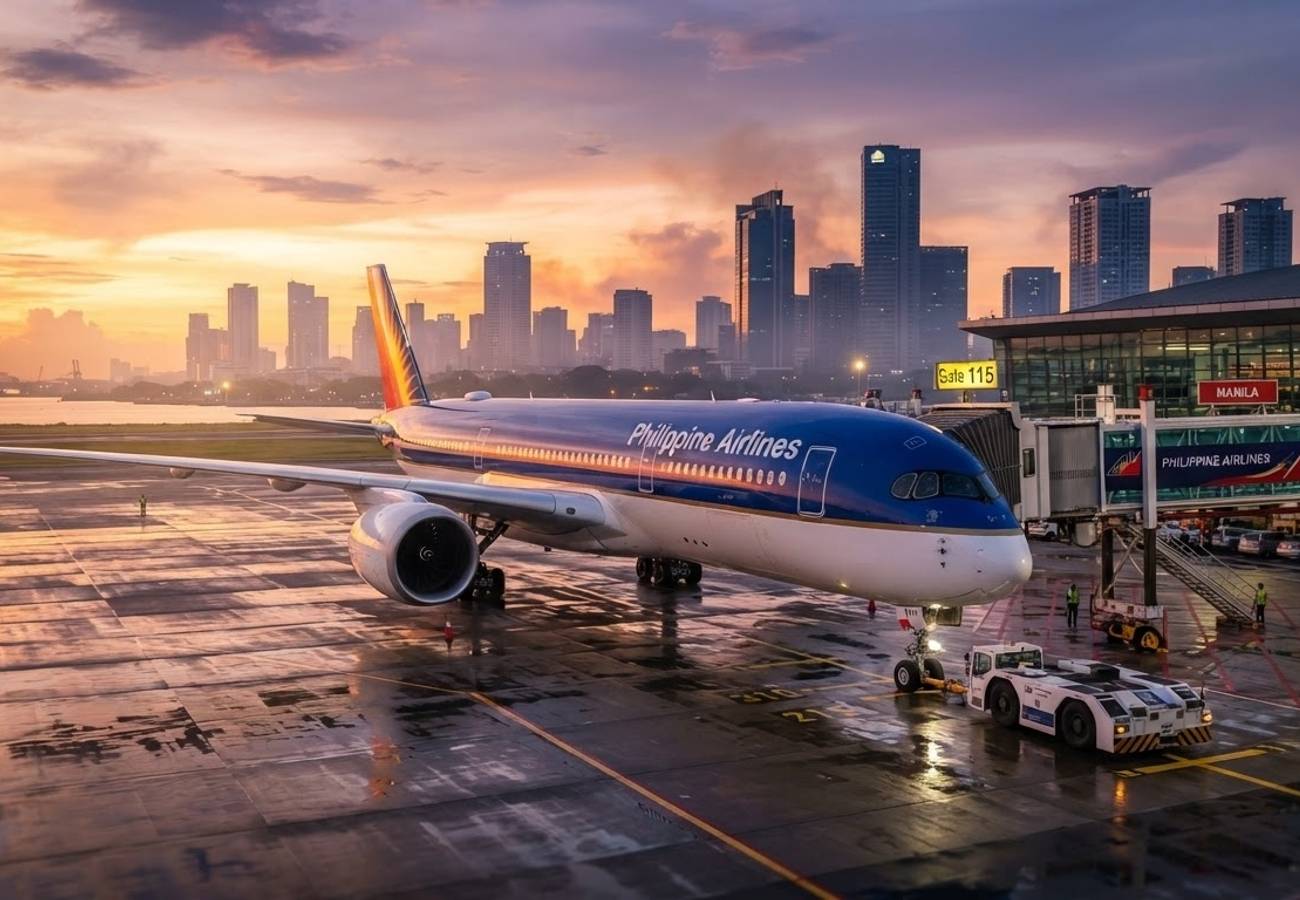
Image generated by AI
Philippine Airlines will increase its direct service between Manila and Melbourne from five flights per week to seven, establishing a daily connection starting 19 November 2026.
This 40 per cent increase in weekly frequency is strategically timed ahead of the year-end peak travel season, targeting surges in holiday bookings, family reunions, and international leisure trips.
Expansion of Australia-Philippines Connectivity
Rather than launching a new route, Philippine Airlines is filling existing gaps in its weekly timetable. The carrier already operates between Ninoy Aquino International Airport (MNL) and Melbourne Airport (MEL), but the shift to daily operations removes previous scheduling voids.
The move caters to a diverse demographic, including overseas Filipinos, business travelers, students, and tourists. By providing a consistent daily link, the airline aims to strengthen the logistical tie between the Philippines and Australia during a period where international tourism continues its recovery.
Flight Schedule and Operational Details
The daily service utilizes two primary flight numbers. Passengers are advised that all times are local and subject to seasonal shifts, particularly regarding daylight-saving time in Victoria.
Manila to Melbourne Route Details
- Flight: PR209
- Departure (Manila): 8:20 PM
- Arrival (Melbourne): 7:30 AM (Following day)
Melbourne to Manila Route Details
- Flight: PR210
- Departure (Melbourne): 9:20 AM
- Arrival (Manila): 2:25 PM (Same day)
Service Frequency Summary
| Route | Flight | Departure | Arrival | Frequency (from 19 Nov 2026) |
|---|---|---|---|---|
| Manila–Melbourne | PR209 | 8:20 PM | 7:30 AM (+1) | Daily |
| Melbourne–Manila | PR210 | 9:20 AM | 2:25 PM | Daily |
Strategic Impact on Passenger Logistics
Daily frequency offers more than just increased seat capacity; it provides scheduling consistency. For travelers, this eliminates the need to build itineraries around a five-day window, reducing the likelihood of required overnight stops or indirect routing through other Asian hubs.
Primary beneficiaries of the daily schedule include:
- VFR Travelers: Filipinos visiting friends and relatives in Victoria.
- Tourism Hub Access: Australians traveling to Manila or connecting to Cebu, Palawan, and Boracay.
- Academic Travelers: Students coordinating travel around semester breaks.
- Corporate Clients: Business passengers requiring predictable departure options.
- Logistics Providers: Exporters and freight forwarders utilizing additional cargo belly capacity.
While increased frequency improves availability, it does not automatically lower fares. Ticket pricing remains dictated by demand, booking lead times, and seasonal fluctuations.
Manila as a Strategic Gateway
The transition to daily flights enhances Ninoy Aquino International Airport's role as a primary hub for Australian visitors. By arriving daily, passengers can more efficiently connect to regional Philippine destinations, including:
- Cebu, Davao, and Iloilo
- Bacolod, Puerto Princesa, and Caticlan
- Bohol, Laoag, Legazpi, and General Santos
This network effect is expected to distribute tourism spending beyond Metro Manila, benefiting regional hotels, tour operators, and local transport providers.
Market Context and Recovery
The expansion follows a period of steady growth in the Australian international visitor economy. According to Tourism Research Australia, the year ending March 2026 saw 8.5 million international trips, a 10 per cent increase over pre-pandemic levels.
Philippine Airlines has maintained a presence in Melbourne since November 2001. This move to daily service is not an experiment but a scaling of a long-term aviation relationship.
Consistency in scheduling is the new gold standard for long-haul recovery.
Related Travel Guides
Disclaimer
This article is for informational and educational purposes only. It does not constitute legal, financial, or professional advice. While we strive to provide accurate and up-to-date information, travel policies, regulations, and conditions change rapidly. Always verify information with official sources before making travel decisions. Nomad Lawyer makes no representations about the accuracy, reliability, completeness, or suitability of the information provided. Readers should consult qualified professionals for advice specific to their circumstances. The views expressed in this article are those of the author and do not necessarily reflect the views of Nomad Lawyer.
Kunal K Choudhary
Co-Founder & Contributor
A passionate traveller and tech enthusiast. Kunal contributes to the vision and growth of Nomad Lawyer, bringing fresh perspectives and driving the community forward.
Learn more about our team →