
Peru Expands Visa-Free Travel to 101 Countries as Tourism Revenue Targets $5.4 Billion in 2026

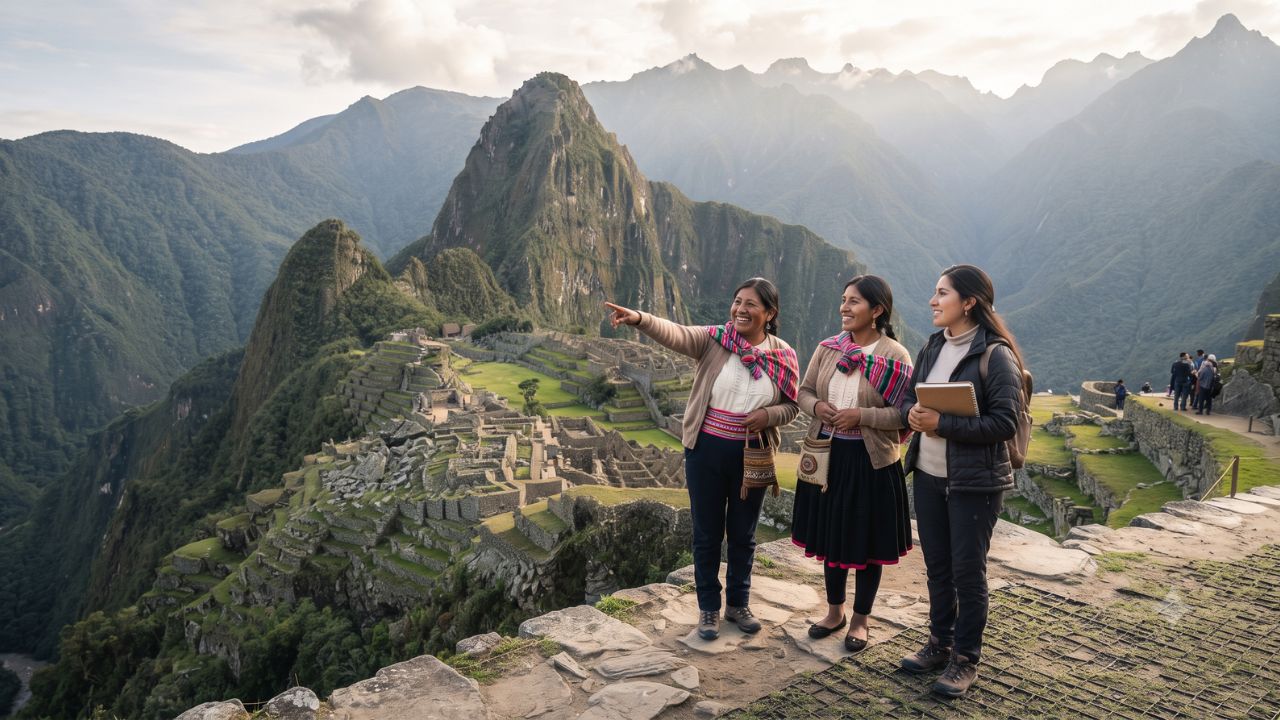
With more than 5,000 registered archaeological complexes scattered across its coastal deserts, high Andean plateaus, and Amazonian lowlands, Peru has officially opened visa-free entry to passport holders from 101 countries and territories as of October 2026. By easing border access for travelers from South Africa, Germany, the United States, Australia, and 97 additional nations, the Ministry of Foreign Trade and Tourism (MINCETUR) projects international tourism revenues will reach US$5.4 billion this year, surpassing pre-pandemic earnings of US$4.8 billion recorded in 2019.
Between January and August 2026, Peru welcomed approximately 2.26 million overseas visitors—representing nearly 76 percent of pre-2020 arrival volumes. July registered the highest monthly influx with 327,936 tourists, followed by August with 303,417 arrivals. Chile remained the country’s leading international source market with 457,224 visitors, closely followed by the United States with 432,259 travelers. The tourism sector is projected to generate 3.7 percent of national GDP in 2026, driven by higher-value experiential itineraries, luxury heritage rail excursions, and extended regional stays.
Strategic Aviation Gateways and Domestic Connectivity
Aviation infrastructure continues to expand across Peru's diverse geographic zones. In January 2026 alone, the country's top five airports handled a combined total of 2,904,000 passengers, reflecting strong regional movement between the coast, the Andes, and the rainforest basin.
Jorge Chávez International Airport in Lima serves as the primary gateway, handling 2,201,000 passengers in January. Alejandro Velasco Astete International Airport in Cusco recorded 333,000 passengers, funneling hikers and cultural travelers toward the Sacred Valley. In the south, Alfredo Rodríguez Ballón International Airport in Arequipa processed 170,000 passengers bound for the white volcanic sillar architecture of the historic center and the depths of Colca Canyon.
In northeastern Loreto, Coronel FAP Francisco Secada Vignetta International Airport in Iquitos—the world's largest city inaccessible by road—served 102,000 passengers. To bolster Amazon connectivity, the Ministry of Transport and Communications launched a US$600 million aviation modernization package in May 2026. Along the northern coast, Capitán FAP Guillermo Concha Ibérico International Airport in Piura handled 98,000 passengers and gained formal international airport status on 2 July 2026, improving access to the Pacific surf breaks of Máncora.
Peru Airport Network and Passenger Volume Overview
The table below outlines passenger movements, key regional hubs, and connectivity corridors across Peru's aviation network.
| Airport Name & Location | IATA Code | January 2026 Traffic | Primary Tourism & Regional Access |
|---|---|---|---|
| Jorge Chávez International Airport (Lima) | LIM | 2,201,000 passengers | National gateway, Miraflores, historic UNESCO core, culinary hub |
| Alejandro Velasco Astete Airport (Cusco) | CUZ | 333,000 passengers | Machu Picchu, Sacred Valley, Inca Trail, Ausangate trekking |
| Alfredo Rodríguez Ballón Airport (Arequipa) | AQP | 170,000 passengers | Colca Canyon condor viewing, Santa Catalina Monastery, volcanoes |
| Coronel FAP Francisco Secada Vignetta (Iquitos) | IQT | 102,000 passengers | Amazon River cruises, Pacaya Samiria National Reserve, Loreto lodges |
| Capitán FAP Guillermo Concha Ibérico (Piura) | PIU | 98,000 passengers | Máncora beaches, northern coastal surfing, regional commerce |
| Combined Network Total | — | 2,904,000 passengers | Coordinated national transit across 5 key regional hubs |
Domestic Carrier Dynamics Across the Andes and Rainforest
Domestic airlines provide vital links across Peru's challenging mountainous terrain. LATAM Airlines Peru remains the dominant carrier, accounting for roughly 56.6 percent of scheduled passengers into Lima in 2025. Low-cost operators have significantly expanded affordability and route access. SKY Airline Peru captured a 13 percent passenger share in 2025 and launched daily Lima–Chiclayo flights in July 2026, opening convenient access to the Royal Tombs of Sipán.
JetSMART Peru held a 7.6 percent share in 2025, operating budget flights connecting Lima with Cusco, Arequipa, and Piura. Regional specialist Star Peru accounted for 3.6 percent of traffic, providing essential turboprop links to Amazonian communities in Tarapoto and Pucallpa. Additionally, ATSA Airlines restored scheduled commercial flights to Andahuaylas in March 2026 with three weekly frequencies, cutting transit across the rugged Apurímac region to just one hour.
Heritage Sanctuaries and Biodiverse Reserves
Travelers exploring through official channels supported by PromPerú can access an extraordinary spectrum of archaeological and natural sites:
- The Classic Inca Trail to Machu Picchu: Stretching 42 kilometers through high mountain passes and cloud forests, the classic trek winds past ancient outposts at Llactapata, Runkuraqay, Sayacmarca, Phuyupatamarka, and Wiñay Wayna before entering the Sun Gate (Intipunku) overlooking the Historic Sanctuary of Machu Picchu.
- Nazca Lines Geoglyphs: Etched into the hyper-arid desert pampa south of Ica, these ancient figures—including the Hummingbird, Condor, Monkey, Spider, and Astronaut—are best viewed via certified aerial morning overflights from Nazca or Pisco.
- Ballestas Islands and Paracas National Reserve: Off the coast of El Chaco, boat excursions navigate past the towering prehistoric Candelabra geoglyph toward the Ballestas archipelago, home to breeding colonies of Humboldt penguins, sea lions, and pelicans protected under the management of SERNANP.
- Huaca Pucllana Adobe Pyramid: Located directly within Lima’s residential Miraflores district, this monumental ceremonial complex constructed from interlocking vertical mud bricks showcases the ingenuity of the pre-Inca Lima culture (200–700 CE).
Visitor Insider Tips for Journeying Across Peru
Maximizing an itinerary across Peru requires careful pacing, transport coordination, and cultural awareness.
- Managing High Altitude in the Sacred Valley: When flying from Lima (sea level) to Cusco (3,400 meters), do not spend your initial nights in Cusco city. Arrange direct private transit immediately down to Ollantaytambo or Urubamba in the Sacred Valley (2,870 meters). Sleeping 500 meters lower reduces altitude sickness risk and allows your body to produce red blood cells comfortably.
- Machu Picchu Timed Circuit Permits: Machu Picchu operates strictly regulated visitor circuits with designated entry time slots. Secure Circuit 1 or Circuit 2 panoramic tickets through the official government portal at least three to four months ahead for dry season travel (May through September).
- Lima Culinary Reservations: Lima is recognized globally for its gastronomy, including ceviche and Nikkei fusion. Flagship restaurants like Central, Maido, and Astrid y Gastón open reservation books up to 90 days in advance; secure dining tables before finalizing domestic flight connections.
- Currency and Soles Cash Handling: While upscale hotels like Monasterio in Cusco and Tambo del Inka in Urubamba process foreign credit cards, always carry clean Peruvian Soles (PEN) in small denominations (10, 20, and 50 bills). Street artisans, colectivo drivers, and market stalls in Pisac rarely have change for 100 Soles banknotes.
Cultural and Environmental Context: Community Guardianship in the Andes
The expansion of tourism across Peru places heightened responsibility on balancing economic gains with ecological and cultural preservation. In fragile high-altitude ecosystems, such as Rainbow Mountain (Vinicunca) and the Inca Trail network, severe foot traffic has led park authorities to introduce mandatory path maintenance rotations and daily trail caps of 500 trekkers (including porters and guides).
In the Sacred Valley and Lake Titicaca, rural Quechua and Aymara communities are pioneering community-based tourism models. Rather than relying entirely on mass excursion bus agencies, local cooperatives in communities like Raqch’i and the Uros Islands offer homestays, traditional textile weaving workshops, and agricultural demonstrations. This model channels tourism revenue directly into native schools, communal irrigation canals, and ancestral seed-saving initiatives, ensuring living heritage endures alongside sustainable modern travel.
FAQ: Visiting Peru in 2026
Which countries are eligible for visa-free entry into Peru?
Citizens from 101 countries—including South Africa, the United States, Germany, the UK, Canada, Australia, Japan, and most EU and South American nations—can enter Peru visa-free for tourism.
How much international tourism revenue does Peru expect in 2026?
MINCETUR projects international tourism revenue will reach US$5.4 billion in 2026, surpassing the US$4.8 billion generated in 2019.
What is the most scenic way to travel between Cusco and Machu Picchu?
The Vistadome or Hiram Bingham luxury train services operated by PeruRail and Inca Rail run directly between Ollantaytambo or Poroy and Aguas Calientes (Machu Picchu Pueblo).
When is the best time to hike the Inca Trail?
The dry Andean winter from May through September offers clear blue skies and minimal rainfall. Note that the Inca Trail is closed every February for conservation maintenance.
Related Travel Guides
- Dominican Republic and Argentina Lift Americas Tourism: Arrivals Grow in H1 2026
- Costa Rica Green Season Travel: Rainforest Biodiversity and Eco Lodges
- Andean High-Altitude Trekking: Route Planning, Acclimatization, and Cultural Etiquette
From the mysterious lines of the coastal desert to the cloud-shrouded citadel of Machu Picchu, Peru offers an extraordinary encounter with ancient history and living heritage.
Disclaimer
This article is for informational and educational purposes only. It does not constitute legal, financial, or professional advice. While we strive to provide accurate and up-to-date information, travel policies, regulations, and conditions change rapidly. Always verify information with official sources before making travel decisions. Nomad Lawyer makes no representations about the accuracy, reliability, completeness, or suitability of the information provided. Readers should consult qualified professionals for advice specific to their circumstances. The views expressed in this article are those of the author and do not necessarily reflect the views of Nomad Lawyer.
Raushan Kumar
Founder & Lead Developer
Full-stack developer with 11+ years of experience and a passionate traveller. Raushan built Nomad Lawyer from the ground up with a vision to create the best travel and law experience on the web.
Learn more about our team →