
Patna Metro Expands Capacity with New Six-Coach Trains for Red Line Expansion in 2026
Patna Metro Rail Corporation Limited is doubling passenger capacity with three new six-coach trains to support the Red Line expansion and urban connectivity in Bihar.

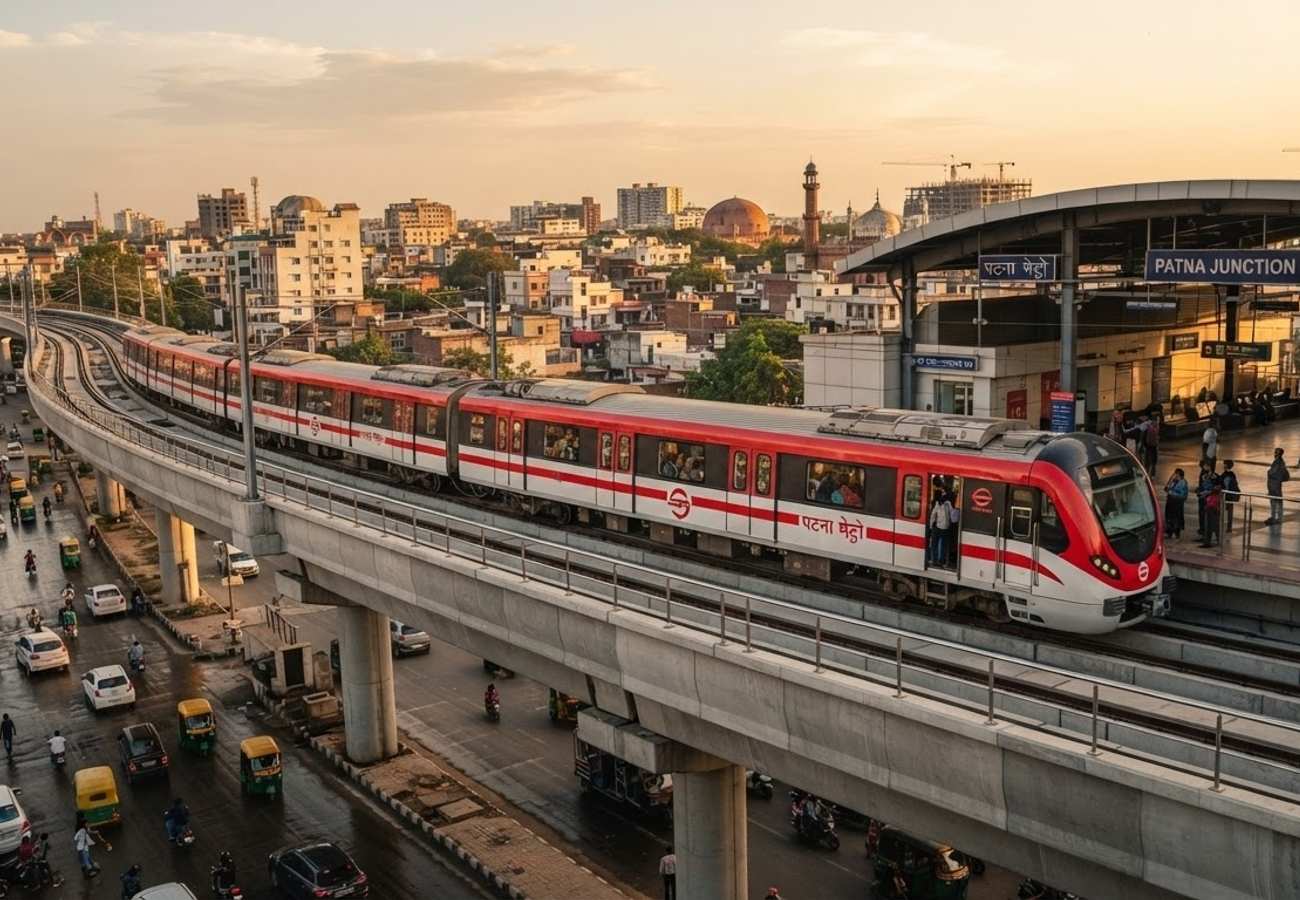
Image generated by AI
Patna Metro is nearly doubling its passenger capacity by introducing three new six-coach trains, each capable of transporting 1,800 commuters. This strategic upgrade prepares the city for a massive surge in ridership as the Red Line expands across Bihar's capital.
The Shift to High-Capacity Urban Transit
Patna Metro Rail Corporation Limited (PMRC) is fundamentally altering the scale of urban mobility in Bihar. The transition from three-coach sets to six-coach trains represents a significant leap in operational efficiency. While the existing three-coach trains accommodate approximately 940 passengers, the new fleet arriving from Pune by December 2026 will push that limit to 1,800 passengers per train.
This expansion is not merely about numbers; it is a calculated response to the growing demand for reliable transit in a city experiencing rapid urbanization. The procurement of these three train sets is being managed through a lease arrangement with an estimated total cost of Rs 63 crore.
Strategic Network Growth and the Red Line
The immediate beneficiary of this fleet upgrade is Corridor I, known as the Red Line. Currently, services operate on a 6.3-kilometre section between the Patliputra Inter-State Bus Terminal (ISBT) and Malahi Pakri. However, the network is poised for a rapid extension.
The high-capacity trains are specifically designated to support two new elevated sections of Corridor I:
- Khemnichak-Mithapur: A 3.5-kilometre stretch enhancing access to eastern Patna.
- Danapur-RPS More: A 3.5-kilometre stretch strengthening connectivity to the west.
Together, these 7 kilometres of new track will integrate key residential and commercial hubs. PMRC is currently finalizing six critical stations to support this rollout: Jaganpura, Ramakrishna Nagar, Mithapur, Danapur, Saguna More, and RPS More.
The Khemnichak Interchange: A Connectivity Hub
For the daily commuter, the most impactful development is the upcoming completion of the Khemnichak station, expected to be operational by the end of 2026. This station will serve as the primary nervous system of the network, acting as the interchange between:
- Corridor I: Connecting Danapur to Khemnichak.
- Corridor II: Connecting Patna Junction and New ISBT.
By linking these two major corridors, the metro removes the friction of city travel, allowing passengers to pivot between the east-west and north-south axes of the city without exiting the system.
Environmental Value and Underground Progress
Beyond the elevated tracks, the city is investing in sustainable, low-emission transit through Corridor II. The underground section between Rajendra Nagar and Akashvani is on track to complete all tunnelling activities by the end of 2026.
By shifting a significant percentage of the population from fossil-fuel-dependent road transport to an electric rail system, Patna is reducing its urban carbon footprint and mitigating the chronic traffic congestion that has historically hindered the city's economic growth.
Visitor Insider Tips
For those visiting Patna or using the metro for the first time during this expansion phase:
- Off-Peak Navigation: To avoid the 1,800-passenger crush during morning and evening rushes, aim for travel between 11:00 AM and 3:00 PM.
- Interchange Strategy: When using the Khemnichak interchange, follow the color-coded signage strictly; the transition between the Red Line and Corridor II is designed for speed, but can be confusing during peak hours.
- Local Dining: Once you exit at Mithapur, explore the local street food stalls nearby—this area is a hub for authentic Bihari snacks that are often missed by traditional tourists.
- Digital Payments: Use the official PMRC app or smart cards to bypass ticket queues, especially at the high-traffic Patliputra ISBT station.
Tourism and Infrastructure Outlook
The trajectory for Patna's transit is clear: full operationality for Corridor I is targeted for March 2027. The consistent design identity—maintaining the same exterior style and color patterns across the new six-coach fleet—ensures a seamless visual experience for users. As the underground sections and the Khemnichak hub come online, the metro will likely become the primary driver of tourism and business travel within the city, making the capital more accessible and attractive for regional investment.
A smarter, faster Patna is arriving on tracks.
Related Travel Guides
Disclaimer
This article is for informational and educational purposes only. It does not constitute legal, financial, or professional advice. While we strive to provide accurate and up-to-date information, travel policies, regulations, and conditions change rapidly. Always verify information with official sources before making travel decisions. Nomad Lawyer makes no representations about the accuracy, reliability, completeness, or suitability of the information provided. Readers should consult qualified professionals for advice specific to their circumstances. The views expressed in this article are those of the author and do not necessarily reflect the views of Nomad Lawyer.
Kunal K Choudhary
Co-Founder & Contributor
A passionate traveller and tech enthusiast. Kunal contributes to the vision and growth of Nomad Lawyer, bringing fresh perspectives and driving the community forward.
Learn more about our team →