
Passenger journals reveal life aboard MV Hondius during hantavirus outbreak 2026
Passenger journals reveal harrowing accounts of life aboard the MV Hondius, a Dutch expedition vessel battling a confirmed hantavirus outbreak in the South Atlantic during 2026. Stranded en route to the Canary Islands, travelers document cabin confinement and medical emergency.

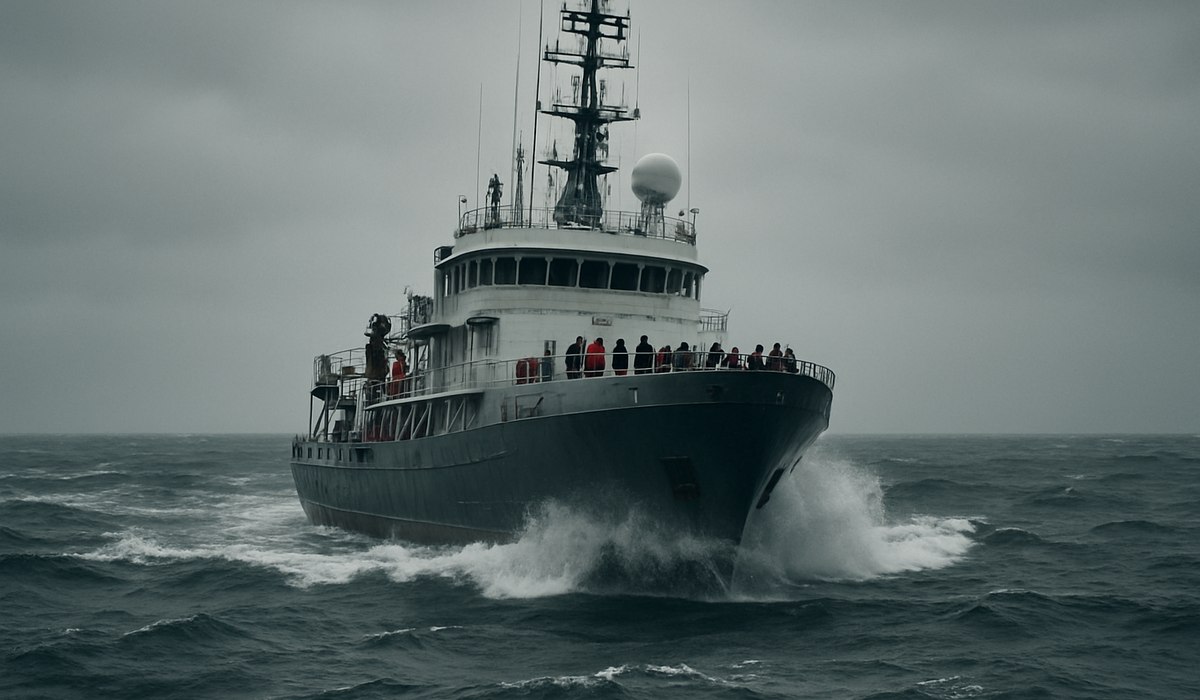
Image generated by AI
Antarctic Expedition Turns Medical Emergency
The MV Hondius, a Dutch-flagged expedition vessel carrying approximately 150 passengers and crew, departed Ushuaia, Argentina, in early April 2026 for what travelers expected to be a transformative South Atlantic journey. Instead, passenger journals reveal a voyage that shifted dramatically when a confirmed hantavirus outbreak forced authorities to keep the ship anchored offshore near Cape Verde by early May. Passenger accounts from the vessel detail the transition from expedition excitement to medical isolation, capturing the human dimensions of a health crisis unfolding thousands of miles from major medical infrastructure.
The itinerary originally promised visits to Antarctica, South Georgia, Saint Helena, and other remote South Atlantic islands—destinations that justify expedition cruising's premium pricing and specialized appeal. Yet within weeks, passenger journals reveal life aboard had transformed entirely. Social media posts and documented accounts from travelers now chronicle cabin confinement, daily health screenings, and the psychological toll of medical emergency at sea.
The Andes hantavirus strain identified in the outbreak presents particular challenges in a maritime setting. According to health agency briefings, this South American virus strain can spread between people in close contact—a fact that shaped quarantine protocols aboard the stranded vessel and heightened anxiety among passengers awaiting negative test results.
Timeline: From First Case to Port Limbo
Passenger journals reveal the outbreak's progression with striking clarity. In late April, as the MV Hondius sailed northward from the South Atlantic toward Africa, the first passenger developed severe symptoms. That individual was evacuated for treatment, but subsequent testing of earlier disembarked passengers pointed toward hantavirus infection.
Within days, three passengers linked to the voyage had died. Additional suspected and confirmed cases emerged among those still aboard. By early May, the ship remained anchored offshore at Cape Verde, authorities refusing to allow normal port operations while international health agencies assessed transmission risk and medical capacity.
The timeline reflects a vessel caught between maritime law, health regulations, and passenger welfare. Port authorities in Cape Verde, like those in previous stops, faced pressure to contain a novel health threat without access to comprehensive shipboard testing data. This limbo created documented anxiety aboard, with passengers uncertain about final destination, medical evacuation procedures, and when normal vessel operations might resume.
Several evacuations of severely ill passengers occurred via airlifts to European and South African hospitals. The ship's own medical officer required emergency evacuation, leaving the vessel without its primary healthcare provider during an active outbreak—a detail that passenger accounts understandably emphasize as particularly alarming.
Life Aboard a Stranded Vessel
Passenger journals reveal a ship transformed by confinement protocols. Once designed for expedition lectures, deck gatherings, and social dining, the MV Hondius became a vessel of closed cabins and limited movement. Travelers documented being asked to remain primarily in their staterooms after suspected cases emerged.
Crew members, already stretched by expedition cruise operations, juggled additional responsibilities: staggered meal deliveries to cabin doors, daily symptom checks with temperature screenings, and intensive disinfection of public spaces. Passenger accounts describe food arriving on rotating schedules to minimize corridor crowding. Housekeeping staff shifted from routine service to targeted cleaning focused on lecture halls and common gathering areas.
Some passengers maintained routine through documented schedules—watching Atlantic scenery from portholes, attending virtual briefings transmitted through ship communications, and journaling their experiences. Others described rising anxiety as casualty numbers circulated aboard. A recurring theme in passenger narratives compared the atmosphere to early COVID-era cruise quarantines, with added uncertainty from an unfamiliar virus encountered far from modern medical centers.
The psychological dissonance proved striking: dramatic seascapes visible through cabin windows contrasted sharply with enforced isolation and mounting health concerns. Passengers had paid premium expedition cruise fares expecting immersive South Atlantic experiences. Instead, they remained confined to interior cabins, unable to access the outdoor spaces and landing opportunities that justified the voyage's cost.
Andes Hantavirus and Health Response
The Andes hantavirus strain presents documented challenges in maritime settings. This South American pathogen, identified in laboratory testing of Hondius passengers, can cause hantavirus pulmonary syndrome—a severe respiratory illness with documented mortality rates that escalated alarm aboard the vessel.
Health agencies implemented protocols reflecting person-to-person transmission risk. Remaining passengers underwent regular temperature checks and symptom screenings, with particular attention to fever, muscle pain, and respiratory symptoms associated with hantavirus infection. Close contacts of known cases faced intensified monitoring.
World Health Organization briefings, documented in health-focused media coverage, emphasized transmission risks in confined quarters. This scientific reality shaped shipboard policies and passenger anxiety, informing decisions about movement restrictions and evacuation protocols. Epidemiologists cited in international coverage noted that hantavirus transmission between humans remains rare, but the maritime environment—with recycled air systems and concentrated populations—presented unique circumstances requiring heightened vigilance.
Testing logistics aboard the MV Hondius created additional documented uncertainty. Passengers awaited confirmation tests, interim results, and evacuation decisions based on medical status. The combination of limited onboard medical capacity, unknown virus exposure timelines, and distant major medical facilities created stress that passenger accounts clearly communicate.
Cruise Itinerary at a Glance
| Port/Location | Days at Sea | Activities (Planned) | Status (May 2026) |
|---|---|---|---|
| Ushuaia, Argentina (Departure) | — | Expedition embarkation | Completed April 2026 |
| Drake Passage Crossing | 2 | Open ocean crossing | Completed |
| Antarctica | 3-4 | Landings, wildlife viewing | Completed |
| South Georgia | 2-3 | Naturalist excursions | Completed |
| Saint Helena | 1-2 | Historic island exploration | Completed (some passengers disembarked) |
| South African ports | 1-2 | Regional port call | Vessels visited, outbreak identified |
| Cape Verde (Current) | Ongoing | None—vessel anchored offshore | Health quarantine in effect |
| Canary Islands (Intended) | 5-7 (planned) | Final destination | Uncertain arrival date |
The expedition cruise originally marketed premium experiences across 12-16 days in one of Earth's most remote regions. Pricing for such voyages typically ranges from $8,000-$15,000 per passenger, reflecting specialized ice-class vessels, expert naturalist staff, and access to Antarctic landing sites. The MV Hondius itself carries approximately 150 passengers in expedition-appropriate comfort—far smaller than mainstream cruise ships but large enough to function as a self-contained community at sea.
What This Means for Travelers
Passenger journals reveal critical insights for anyone considering expedition cruises or Antarctic voyages:
-
Health screening protocols matter enormously. Future expedition cruise operators will likely implement pre-boarding medical assessments, rapid diagnostic testing capacity, and documented health declarations reflecting lessons from the MV Hondius outbreak. Review these policies before booking.
-
Isolation risk requires realistic assessment. Expedition cruises visit remote regions by design. If medical evacuation becomes necessary, response times extend to days or weeks. Travelers should maintain comprehensive travel insurance covering medical evacuation and hospitalization in international settings.
-
Cabin size affects quarantine feasibility. Smaller cabins compound confinement stress during extended isolation. Prioritize larger accommodations or suites if booking similar voyages, understanding that premium pricing reflects better isolation capacity.
-
Crew capacity determines response quality. Expedition vessels operate with skeleton crews optimized for normal operations. During health crises, staff become overwhelmed. Evaluate crew-to-passenger ratios and onboard medical facilities before commitment.
-
Communication systems prove critical. Ships with robust WiFi, video call capability, and regular passenger updates
Disclaimer
This article is for informational and educational purposes only. It does not constitute legal, financial, or professional advice. While we strive to provide accurate and up-to-date information, travel policies, regulations, and conditions change rapidly. Always verify information with official sources before making travel decisions. Nomad Lawyer makes no representations about the accuracy, reliability, completeness, or suitability of the information provided. Readers should consult qualified professionals for advice specific to their circumstances. The views expressed in this article are those of the author and do not necessarily reflect the views of Nomad Lawyer.
Kunal K Choudhary
Co-Founder & Contributor
A passionate traveller and tech enthusiast. Kunal contributes to the vision and growth of Nomad Lawyer, bringing fresh perspectives and driving the community forward.
Learn more about our team →