
Omaha’s Urban Evolution: How Cultural Clustering is Driving a Family Travel Boom in Nebraska
A strategic shift toward "edutainment" and walkable urban design is transforming downtown Omaha into a premier destinati

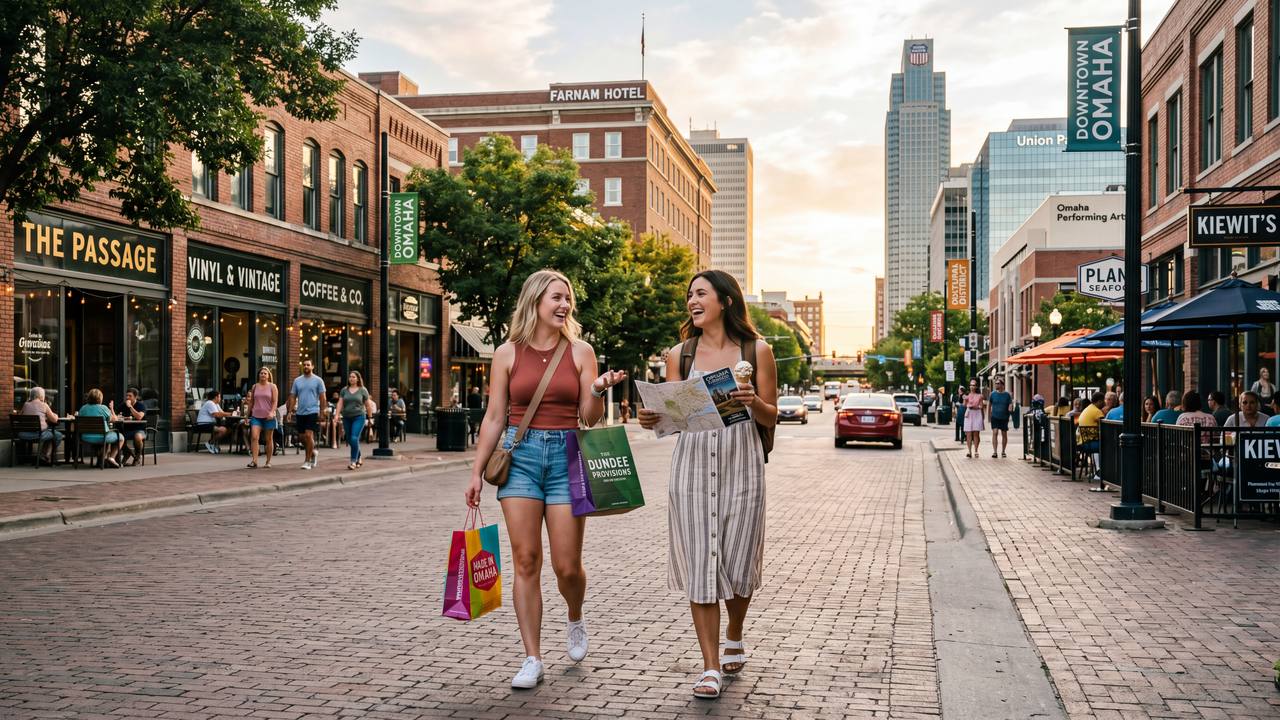
Image generated by AI
The Rise of the Midwest Family City Break
Omaha is currently witnessing a significant shift in its tourism identity. The city has transitioned from a regional stopover into a primary destination for family leisure travel, characterized by a surge in multi-day stays and a preference for compact, experience-rich urban environments.
According to data from Visit Omaha, there is a marked increase in domestic travelers seeking value-driven experiences. This growth is not accidental but is the result of a deliberate move toward "cultural clustering," where high-value attractions are concentrated within a navigable downtown core.
By reducing the friction of urban transit, Omaha has increased "dwell time," encouraging families to spend more time and money within the city center rather than visiting a single site and leaving.
The "Zoo Effect" and the Edutainment Engine
The Henry Doorly Zoo & Aquarium serves as the primary anchor for the city’s tourism ecosystem. Rather than operating as an isolated attraction, the zoo now functions as a "gateway experience."
This phenomenon, known as the "Zoo Effect," rewires visitor behavior in several ways:
- Itinerary Expansion: Families often plan their trip around the zoo but expand their stay to include downtown museums and dining.
- Educational Appeal: The rise of "edutainment"—the blend of education and entertainment—makes Omaha a top choice for parents seeking enriching experiences for children.
- Increased Spend: The transition from a single-day visit to a multi-day itinerary boosts local hospitality and retail revenue.
Urban Regeneration and Walkable Tourism
The modernization of Omaha’s public spaces has played a pivotal role in attracting the modern traveler. The redevelopment of the riverfront district and the transformation of the Gene Leahy Mall into a contemporary urban park have created a high-traffic leisure zone.
This emphasis on walkability aligns with a broader US trend where travelers prioritize accessibility. By integrating interactive play zones and open landscapes with cultural sites, Omaha has reduced "travel fatigue," allowing families to explore the city spontaneously without relying on cars or complex transit systems.
Hospitality Shifts to Meet Family Demand
The downtown hotel sector has pivoted its strategy to capture this growing demographic. Rather than focusing solely on luxury metrics, operators are now prioritizing "proximity marketing."
Key adaptations in the hospitality sector include:
- Strategic Bundling: Hotels are partnering with Visit Omaha to offer packages that combine accommodation with attraction tickets.
- Family-Centric Design: A shift toward room configurations that better accommodate larger groups and flexible check-in processes.
- Experience Integration: A move toward providing curated local guides that emphasize the city's walkable cultural loop.
Why Omaha is Outperforming Regional Competitors
Omaha’s success provides a blueprint for other secondary US cities. Its competitive advantage stems from a rare combination of three factors:
- Density of Attractions: The proximity of the Orpheum Theater, the Durham Museum, and the riverfront creates a seamless cultural loop.
- Affordability: The city offers high-quality cultural experiences without the congestion and premium pricing found in major coastal hubs.
- Logistical Ease: The compact nature of the downtown core removes the barriers that typically discourage families from visiting large cities.
Key Takeaways
- Strategic Clustering: Concentrating attractions in a walkable core has increased visitor dwell time and repeat visitation.
- Anchor Attractions: The Henry Doorly Zoo acts as the primary catalyst, converting single-site visitors into multi-day tourists.
- Urban Design: The renewal of the riverfront and Gene Leahy Mall has made the city a leader in "walkable tourism" within the Midwest.
- Market Shift: Secondary cities are now competing with major metros by offering experience density and better value.
FAQ
What is the "Zoo Effect" in Omaha? It is the trend where the Henry Doorly Zoo & Aquarium acts as the initial draw for visitors, who then expand their trip to include other downtown cultural and dining experiences.
Which downtown attractions are most popular for families? Beyond the zoo, the Durham Museum and the Orpheum Theater are central to the city's cultural corridor, providing a mix of history and performing arts.
How has Omaha improved its walkability for tourists? Through the redevelopment of the riverfront district and the creation of the modern Gene Leahy Mall, the city has linked its major attractions via pedestrian-friendly zones.
Related Travel Guides
Disclaimer
This article is for informational and educational purposes only. It does not constitute legal, financial, or professional advice. While we strive to provide accurate and up-to-date information, travel policies, regulations, and conditions change rapidly. Always verify information with official sources before making travel decisions. Nomad Lawyer makes no representations about the accuracy, reliability, completeness, or suitability of the information provided. Readers should consult qualified professionals for advice specific to their circumstances. The views expressed in this article are those of the author and do not necessarily reflect the views of Nomad Lawyer.
Preeti Gunjan
Contributor & Community Manager
A passionate traveller and community builder. Preeti helps grow the Nomad Lawyer community, fostering engagement and bringing the reader experience to life.
Learn more about our team →