
Okinawa Yui Rail Technical Failure Exposes Critical Single-Point Failure in Naha Airport Transit 2026
A technical glitch on the Yui Rail monorail on August 28, 2026, highlighted the vulnerability of Okinawa's tourism infrastructure, which relies on a single rail corridor for Naha Airport transfers.

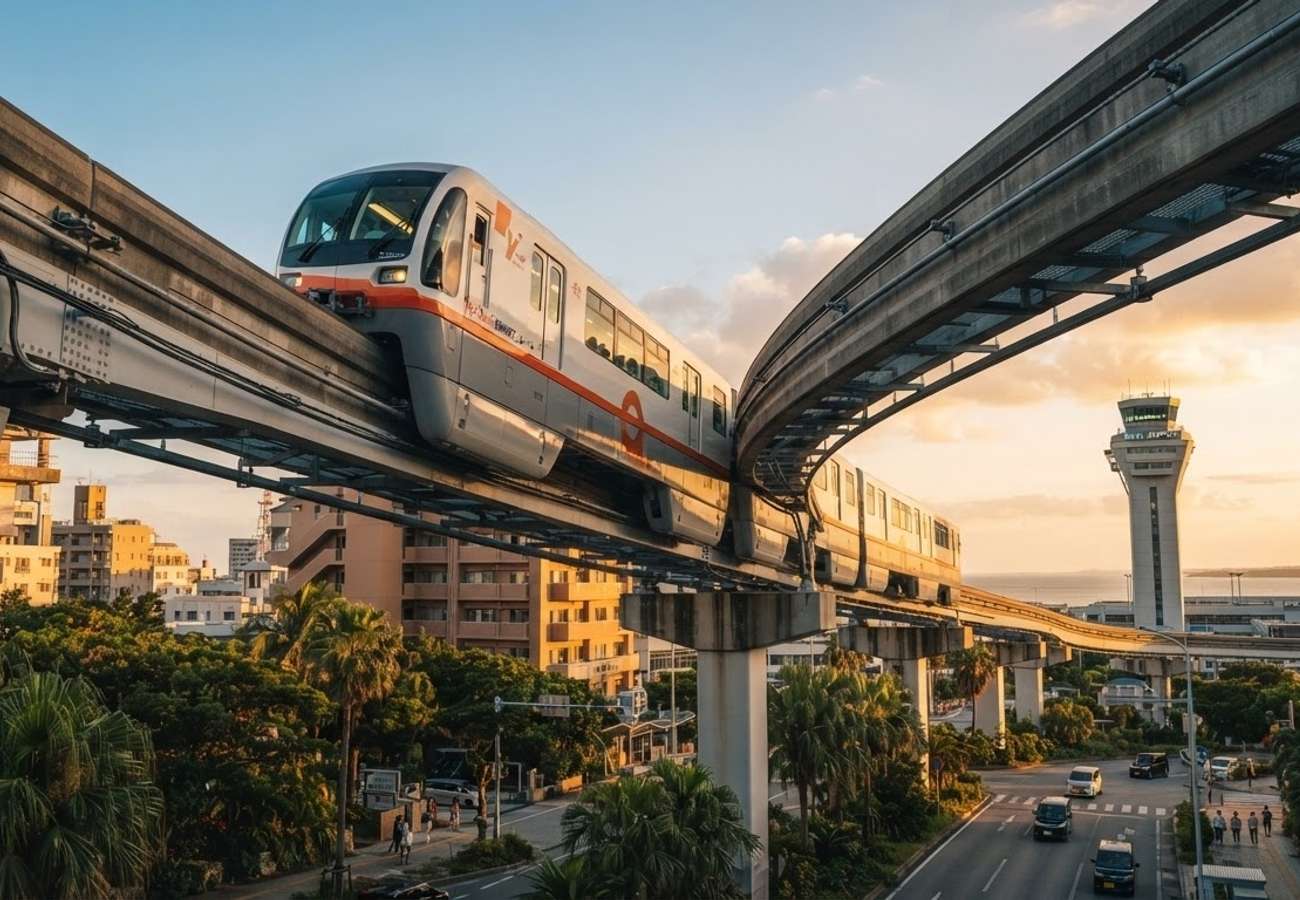
Image generated by AI
A technical glitch on August 28, 2026, partially suspended the Yui Rail, Okinawa’s sole rail link between Naha Airport and central Naha. While the outage was brief, it exposed a systemic vulnerability: the region's total reliance on a single rail corridor for airport transfers and heritage site access.
The disruption forced passengers to wait several hours before services resumed. While the operator confirmed the issue was a technical glitch and operations returned to normal shortly after, the event serves as a stress test for Okinawa's tourism infrastructure. Because Yui Rail is the only public rail system on the island, there are no parallel metro lines or suburban railways to absorb the overflow during a failure.
For international visitors and business travelers, a breakdown of this specific link creates immediate logistical bottlenecks. When the monorail stops, the burden shifts entirely to taxis, buses, and rental cars, often leading to increased costs and transit times during peak hours.
Operational Impact and Infrastructure Constraints
The Yui Rail network, which began operations in August 2003, connects Naha Airport to Shuri and Tedako-Uranishi in Urasoe via 19 stations. It is the primary artery for those visiting government offices, shopping districts, and the historic Shuri district.
Unlike major Japanese hubs like Tokyo or Osaka, Naha lacks redundant rail options. Our analysis of the local transport map indicates that any failure on this line creates a "single point of failure" for the aviation gateway.
Key Technical Takeaways:
- Cause: Confirmed technical issue affecting rail operations.
- Scope: Partial suspension of services; no impact on Naha Airport flight schedules.
- Recovery: Operations resumed following fault resolution.
- Alternative Transit: Passengers were forced to rely on road-based transport, increasing pressure on Naha's road network.
Record-Breaking Passenger Demand
The stakes for rail reliability have increased as passenger volumes far exceed pre-pandemic levels. Data from the Okinawa Prefecture’s Urban Planning and Monorail Division shows a steep upward trajectory in usage.
Yui Rail Passenger Volume Trends
| Fiscal Year | Annual Passengers | Average Daily Passengers |
|---|---|---|
| 2018 | 19,057,176 | 52,355 |
| 2019 | 19,756,806 | 55,766 |
| 2022 | 16,908,907 | 46,326 |
| 2023 | 19,948,279 | 54,803 |
| 2024 | 22,227,865 | 60,898 |
| 2025 | 24,096,263 | 66,017 |
| Apr–July 2026 | 8,079,351 | 66,771 (avg) |
In July 2026 alone, the system carried 2,080,085 passengers. This surge in demand means that even a "small" technical glitch now impacts significantly more people than it would have five years ago.
Broader Tourism Growth Metrics
The fragility of the transit system is further highlighted by the record-breaking growth in overall visitor arrivals to the prefecture.
Okinawa Tourism Indicators (Fiscal 2025 & 2026)
| Indicator | Official Result | Context/Change |
|---|---|---|
| Fiscal 2025 Arrivals | 10,935,300 | Up 9.9% YoY |
| Domestic Visitors | 7,994,400 | Record fiscal-year level |
| Foreign Visitors (Air) | 2,079,100 | Increased from 1,523,100 |
| Foreign Visitors (Sea) | 861,800 | Increased from 768,400 |
| July 2026 Arrivals | 963,900 | Up 1.7% YoY |
| Fiscal 2025 Revenue | ¥1.0747 trillion | Up 9.4% YoY |
| Avg. Visitor Spend | ¥98,281 | Down 0.4% YoY |
| Fiscal 2025 Visitor Nights | 32.98 million | Up from 30.36 million |
In July 2026, international demand grew by 11%, with 270,100 foreign visitors arriving. For these travelers, the Yui Rail is often the first and last point of contact with Okinawa's infrastructure.
Why This Matters: Industry Analysis
From a logistical perspective, this incident reveals that Okinawa's tourism growth is outstripping its transit redundancy. When a city relies on a single rail corridor for its primary airport link, any disruption—regardless of duration—creates a high-stress environment for departing passengers facing strict flight windows.
For the aviation industry, while the Yui Rail failure did not cause flight cancellations, it introduces "ground-side risk." If a major failure occurred during a peak holiday window, the resulting road congestion could potentially lead to missed flights and disrupted airline operations.
Furthermore, the reliance on this corridor extends to cultural tourism. Shuri Station is the gateway to Shurijo Castle Park. A rail outage doesn't just affect the airport; it effectively severs the link to the Ryukyu Kingdom's historic heart, impacting the visitor economy of the Shuri district.
Forward Outlook
Market trends suggest that Okinawa must prioritize diversifying its airport-to-city transit options. To sustain a visitor economy that has already surpassed 2018 records, the prefecture will likely need to:
- Implement more robust real-time communication systems for international travelers during outages.
- Expand coordinated shuttle services that can be activated instantly when the monorail fails.
- Invest in infrastructure redundancy to ensure that a single technical glitch cannot paralyze the primary transit artery of the capital.
Reliability is no longer a luxury for Okinawa; it is a prerequisite for sustainable tourism growth.
Related Travel Guides
Disclaimer
This article is for informational and educational purposes only. It does not constitute legal, financial, or professional advice. While we strive to provide accurate and up-to-date information, travel policies, regulations, and conditions change rapidly. Always verify information with official sources before making travel decisions. Nomad Lawyer makes no representations about the accuracy, reliability, completeness, or suitability of the information provided. Readers should consult qualified professionals for advice specific to their circumstances. The views expressed in this article are those of the author and do not necessarily reflect the views of Nomad Lawyer.
Naina Thakur
Contributor & Travel Specialist
Travel enthusiast and legal writer covering visa regulations, responsible tourism, and cultural journeys across global destinations.
Learn more about our team →