
Travel Tips Smoother: 5 Habits for Stress-Free Airport Arrivals in 2026
Master travel tips smoother by adopting five strategic habits from frequent flyers. Learn how seat selection, pre-completed paperwork, and document organization eliminate airport arrival stress in 2026.

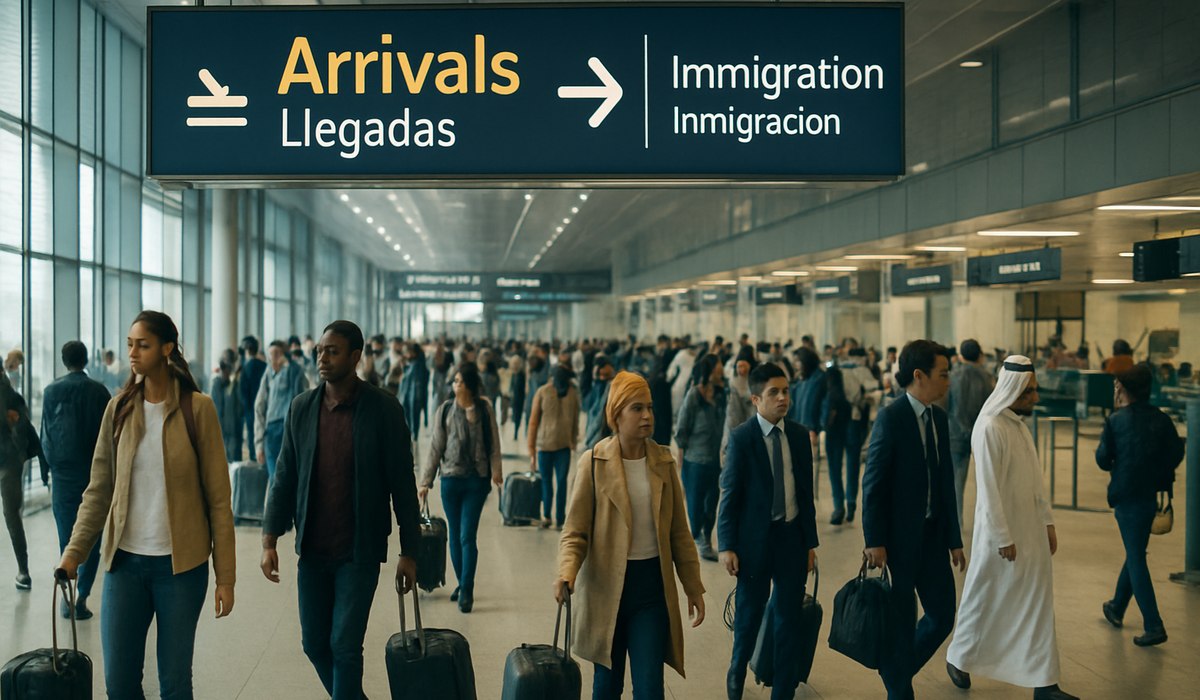
Image generated by AI
Master Travel Tips Smoother: How Frequent Flyers Navigate Airport Arrivals with Ease
Experienced international travelers know that stress-free airport arrivals aren't about luck—they're about strategy. The 11% of Americans who fly more than 10 times annually have cracked the code, implementing five simple habits that transform arrival experiences from chaotic to seamless. These practices, refined through countless trips, address every pain point from disembarkation delays to baggage claim confusion.
According to data from Statista, over 50% of Americans take fewer than five trips per year, meaning most travelers haven't developed these efficiency-building habits. The good news? You don't need frequent flyer status or premium cabin access to adopt these strategies. You need preparation, strategic positioning, and advance planning.
Choose Front-of-Plane Seats for Faster Disembarkation
The first travel tips smoother habit begins before takeoff. Frequent flyers strategically select seats near the front of the aircraft, not necessarily paying premium fares for extra legroom. Instead, they position themselves within the first two rows of the cabin to disembark first when doors open.
This simple seat selection cuts precious minutes from airport arrivals. You're among the first passengers through the jet bridge, first at immigration, and first approaching baggage claim. Airlines seat assignments change constantly, so check your booking 24 hours before departure and request front-cabin seats if available. Some carriers offer free upgrades or zone-based boarding that achieves similar positioning.
The math is simple: disembarking first gives you a 15–20 minute advantage over rear-cabin passengers. At crowded airports handling thousands of arrivals daily, this timing advantage compounds across immigration processing and baggage collection.
Complete Arrival Forms Before Landing
One of the most overlooked travel tips smoother strategies involves paperwork preparation. Frequent flyers complete arrival and customs declaration forms hours before landing, not at airport desks surrounded by confused tourists fumbling through documents.
Most countries provide downloadable arrival forms on official immigration websites. Download these forms during your flight's final approach or even before departure. Complete them digitally using mobile devices or print and fill them by hand. Have them ready to hand over immediately when approaching immigration officers.
For U.S. arrivals, the Customs Border Protection agency provides the CBP Declaration Form 6059B. International travelers heading to other destinations should verify requirements through their destination's official immigration authority. Having completed forms accelerates your movement through airport arrivals queues, reducing wait times significantly.
Organize Documents and Required Paperwork
Document organization represents perhaps the most underestimated travel tips smoother habit. Frequent flyers maintain organized, easily accessible documentation rather than rummaging through bags at immigration counters.
Essential documents include your passport with valid visa already obtained (as advised by the U.S. State Department), return flight confirmations, hotel reservation confirmations, proof of sufficient funds, travel insurance documentation, and any required prescriptions in original bottles. Keep copies of critical documents separately from originals. Digital copies on your phone provide backup access.
Organize documents in a clear folder or envelope in your carry-on bag's front pocket. Open your passport to the identification page before reaching the immigration counter. This preparation demonstrates readiness to officials and prevents delays from document hunting. For extended stays, include proof of employment or enrollment status at your destination institution.
Maximize e-Gates and Immigration Technology
Modern airports increasingly deploy automated e-Gates for passport processing. Frequent flyers maximize these technology solutions when available. E-Gates require passports with biometric chips (standard for most developed nations) and valid visas already processed.
Using e-Gates reduces processing time from 5–10 minutes to under 2 minutes. You scan your passport, provide biometric data (fingerprints and photo), and proceed through automated gates. Staff monitors the process but doesn't perform manual interviews. According to immigration authorities, e-Gates successfully process roughly 80% of eligible travelers, though verification requirements vary by destination and individual circumstances.
Check your destination airport's website in advance to confirm e-Gate availability. Pre-registration programs like TSA PreCheck (U.S.) and Global Entry further accelerate airport arrivals when available. These programs cost $80–100 for five-year membership but deliver measurable convenience.
Baggage Claim Strategy and Luggage Management
Baggage claim creates unavoidable delays for checked luggage travelers. The smartest travel tips smoother tactic involves avoiding checked luggage entirely. Frequent flyers pack carry-on only when possible, eliminating baggage claim waits completely.
For unavoidable checked luggage, position yourself strategically at baggage claim. Stand several feet down the conveyor belt from the entrance point, not directly at the belt's start. This positioning allows you to spot your bag as it emerges without fighting crowds at the entrance. Mark your luggage distinctively using colored tape or luggage tags to identify it quickly among similar black suitcases.
Avoid overpacking, which increases checked baggage fees and delays. Intelligent packing enables carry-on travel for most trips, saving 10–15 minutes at baggage claim. Airlines like Southwest Airlines include two free carry-on bags, maximizing this advantage.
Pre-Plan Ground Transportation and Airport Exits
The final travel tips smoother habit involves transportation planning before landing. Frequent flyers arrange airport transfers, research public transportation options, or book rental vehicles online before arrival.
Most major airports provide detailed ground transportation information on official websites. Research options during flight time rather than at arrival. Book paid transfers through your hotel or licensed ground transportation services in advance. For public transit, download relevant apps and purchase transit passes before leaving the aircraft.
Having a predetermined transportation plan eliminates decisions at airport exits and prevents expensive last-minute booking premiums. This advance planning extends your airport efficiency throughout the entire arrival experience, getting you to your destination faster.
Traveler Action Checklist
- Select front-cabin seats within 24 hours of departure for priority disembarkation
- Download arrival forms from your destination's immigration website and complete them before landing
- Gather all required documents including passport, visa, confirmations, and proof of funds in organized folder
- Verify e-Gate eligibility and biometric passport readiness before departure
- Pack carry-on only when possible, or position strategically at baggage claim when checked luggage required
- Book ground transportation online before landing to eliminate airport exit delays
Airport Arrival Efficiency Metrics
| Strategy | Time Saved | Implementation Cost | Difficulty Level | Success Rate |
|---|---|---|---|---|
| Front-cabin seating | 15–20 minutes | $0–150 | Low | 95% |
| Pre-completed forms | 5–10 minutes | Free | Low | 90% |
| Organized documents | 5–8 minutes | Free | Low | 98% |
| e-Gate usage | 3–8 minutes | $80–100 (optional enrollment) | Low | 85% |
| Carry-on only | 10–15 minutes | Free | Medium | 75% |
| Pre-booked transport | 5–10 minutes | Variable | Low | 99% |
What This Means for Travelers
Implementing these five travel tips smoother habits transforms airport arrivals from stressful experiences to streamlined processes. Cumulatively, these strategies save 40–60 minutes compared to unprepared travelers. For frequent travelers, this represents dozens of recovered hours annually.
Actionable takeaways include:
- Treat seat selection strategically, prioritizing proximity to exits over cabin amenities
- Begin arrival preparation during flight descent, completing all paperwork before landing
- Maintain organized, accessible documentation rather than scattered files
- Leverage e-Gate technology and digital immigration systems whenever available
- Plan ground transportation
Disclaimer
This article is for informational and educational purposes only. It does not constitute legal, financial, or professional advice. While we strive to provide accurate and up-to-date information, travel policies, regulations, and conditions change rapidly. Always verify information with official sources before making travel decisions. Nomad Lawyer makes no representations about the accuracy, reliability, completeness, or suitability of the information provided. Readers should consult qualified professionals for advice specific to their circumstances. The views expressed in this article are those of the author and do not necessarily reflect the views of Nomad Lawyer.
Raushan Kumar
Founder & Lead Developer
Full-stack developer with 11+ years of experience and a passionate traveller. Raushan built Nomad Lawyer from the ground up with a vision to create the best travel and law experience on the web.
Learn more about our team →