
Oceanwide Expeditions Supports Antarctic Conservation at Historic Research Bases
Oceanwide Expeditions completes major conservation work at two preserved British research stations in Antarctica in 2026, partnering with the UK Antarctic Heritage Trust to balance expedition tourism with heritage preservation.

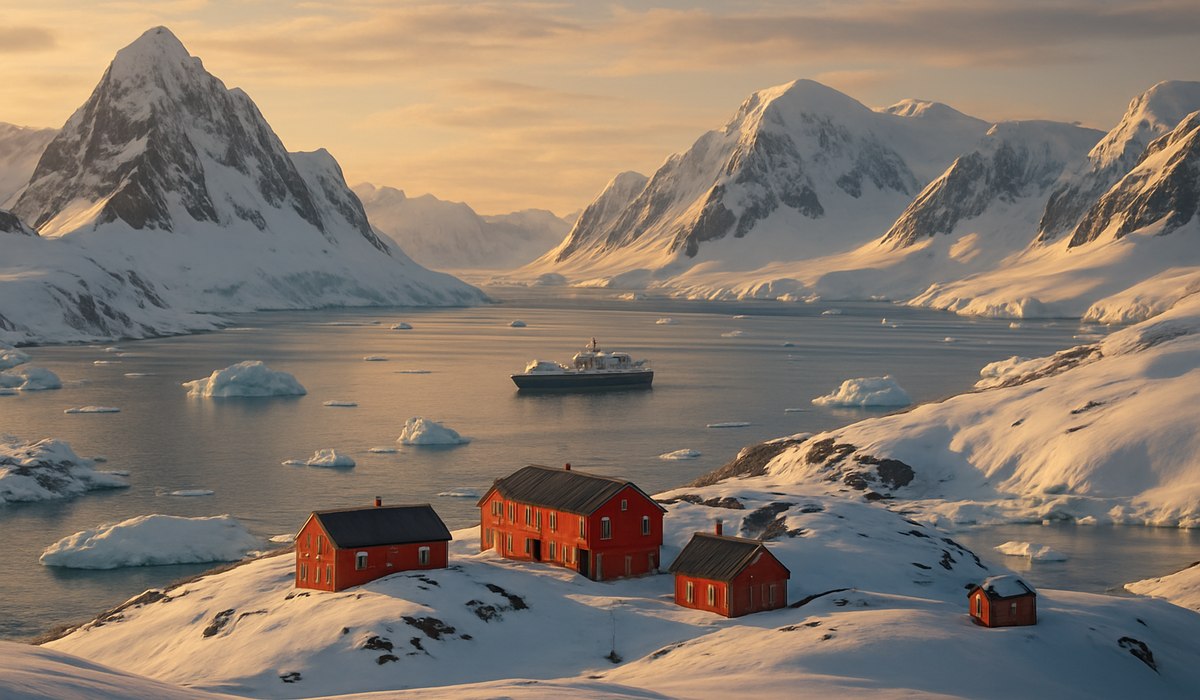
Image generated by AI
Oceanwide Expeditions Advances Antarctic Tourism Through Heritage Preservation
Oceanwide Expeditions has successfully completed comprehensive conservation and survey work at two historic British research stations in Antarctica, marking a significant milestone in sustainable polar tourism. In partnership with the UK Antarctic Heritage Trust (UKAHT), the expedition operator finished critical preservation work at Base Y on Horseshoe Island and Base E on Stonington Island. These former research installations, now designated as historic monuments under the Antarctic Treaty, remain popular destinations for managed expedition voyages while requiring careful stewardship to ensure their long-term survival.
Conservation Partnership Strengthens Antarctic Tourism
The collaboration between Oceanwide Expeditions and the UK Antarctic Heritage Trust demonstrates how commercial expedition tourism can actively contribute to heritage conservation. Rather than treating tourism as a threat to pristine environments, this partnership leverages visitor traffic and vessel resources to support preservation objectives. Oceanwide Expeditions supplies transportation, logistical support, and crew expertise to UKAHT specialists who conduct detailed conservation assessments and necessary restoration work at these Antarctic landmarks.
This model of cooperative stewardship benefits multiple stakeholders. Travelers gain access to historically significant locations while participating in meaningful conservation work. The heritage sites receive professional maintenance that would be difficult to accomplish in such remote, harsh conditions without expedition support. The Antarctic Treaty framework, which governs all human activity on the continent, explicitly permits such managed expeditions when they include environmental and heritage protection components.
Historic Sites Preserved Through Managed Expeditions
Base Y at Horseshoe Island and Base E at Stonington Island represent crucial chapters in Antarctic exploration history. These stations once served as platforms for British scientific research during the mid-20th century, contributing valuable data on geology, biology, and atmospheric conditions. Preserving these structures honors the legacy of polar exploration while maintaining physical evidence of humanity's scientific endeavors on the continent.
The conservation work completed in 2026 included detailed surveys, structural assessments, and targeted restoration efforts designed to halt deterioration. Antarctica's extreme climate—with temperatures plummeting below minus 60 degrees Celsius and persistent wind speeds exceeding 100 kilometers per hour—creates extraordinary preservation challenges. Metal components corrode rapidly, wooden structures suffer from freeze-thaw cycles, and equipment requires specialized maintenance protocols unavailable in the region.
By incorporating heritage conservation into expedition itineraries, Oceanwide Expeditions ensures these sites remain accessible for future generations of travelers and researchers. Expedition passengers often participate in or observe conservation activities, deepening their understanding of Antarctic history and the ongoing efforts required to maintain human heritage on the continent.
The Antarctic Treaty and Heritage Management
The Antarctic Treaty System, established in 1961, created a unique international framework treating Antarctica as a scientific preserve. The treaty prohibits military activity, restricts resource extraction, and mandates environmental protection across the continent. Heritage preservation falls within this broader conservation mandate, recognizing that historical sites and artifacts merit the same protection as ecosystems and wildlife.
The UK Antarctic Heritage Trust operates under these treaty provisions, securing formal designation for historic sites and developing management plans that balance preservation with reasonable access. Oceanwide Expeditions and similar expedition operators gain permission to visit these heritage locations by demonstrating their commitment to preservation standards and sustainable tourism practices.
This regulatory framework ensures that commercial expedition tourism supports rather than compromises Antarctic values. Operators must adhere to strict environmental protocols, limit passenger numbers, provide naturalist education, and actively contribute to scientific and heritage objectives. Oceanwide Expeditions' partnership with UKAHT exemplifies this collaborative approach to responsible polar tourism development.
Future of Sustainable Polar Tourism
Oceanwide Expeditions supports a model where tourism generates resources for conservation while creating economic incentives for environmental stewardship. As climate change threatens polar regions and increases accessibility for commercial operators, sustainable practices become increasingly critical. The 2026 conservation initiative at Horseshoe Island and Stonington Island demonstrates that expedition tourism can strengthen rather than diminish Antarctic protection.
Future polar expeditions will likely expand similar partnerships, directing visitor spending toward active conservation projects. Travelers increasingly seek meaningful engagement with destinations, and participating in heritage preservation offers profound personal impact. Oceanwide Expeditions' approach positions the company as a leader in responsible expedition tourism, attracting environmentally conscious passengers while supporting legitimate research and preservation objectives.
Visit the Oceanwide Expeditions official website to explore Antarctic cruise itineraries featuring these historic sites and conservation partnerships.
Cruise Itinerary at a Glance
| Itinerary Component | Details |
|---|---|
| Operator | Oceanwide Expeditions |
| Primary Destinations | Antarctic Peninsula, Horseshoe Island (Base Y), Stonington Island (Base E) |
| Vessel Type | Polar expedition cruise ships |
| Primary Attractions | Historic research stations, wildlife viewing, glaciers, ice formations |
| Conservation Partner | UK Antarctic Heritage Trust (UKAHT) |
| Typical Duration | 10–14 days |
| Sailing Season | November–March (Antarctic summer) |
| Passenger Capacity | Limited to sustainable tourism guidelines (typically 100–300 passengers) |
| Expedition Activities | Zodiac cruises, shore landings, naturalist lectures, conservation participation |
| Key Features | Expert-led expeditions, heritage interpretation, environmental education |
What This Means for Travelers
Oceanwide Expeditions' commitment to Antarctic heritage conservation creates distinct advantages for expedition travelers:
-
Authentic Heritage Access: Passengers visit genuinely historic sites with professional interpretation, gaining deeper understanding of polar exploration history rather than experiencing sanitized tourist attractions.
-
Conservation Participation: Many itineraries allow travelers to observe or assist with preservation work, creating meaningful engagement beyond passive sightseeing and contributing to active heritage protection.
-
Sustainable Destination Management: Tourism revenue directly supports conservation efforts, ensuring these fragile sites receive necessary maintenance and scientific monitoring that preserves them for future visitors.
-
Educational Value: Naturalist guides and conservation specialists aboard Oceanwide vessels provide expert context about Antarctic history, current research, and environmental challenges, elevating the educational quality of the experience.
-
Ethical Travel Confidence: Choosing expeditions with demonstrated conservation partnerships allows travelers to support responsible tourism practices and reduce environmental impact of their polar adventures.
-
Regulatory Compliance Assurance: Oceanwide Expeditions' formal partnerships with heritage trusts and adherence to Antarctic Treaty protocols guarantee that your voyage operates within established environmental and heritage protection frameworks.
FAQ
What is the Antarctic Treaty and why does it matter for tourism?
The Antarctic Treaty System, established in 1961, designates Antarctica as a scientific preserve protected for peaceful purposes. It mandates environmental protection and restricts commercial activity, requiring all tourism and expeditions to demonstrate environmental and heritage stewardship. This framework ensures that visitor access remains compatible with conservation objectives, distinguishing Antarctic tourism from unrestricted commercial development elsewhere.
How does Oceanwide Expeditions support conservation work in Antarctica?
Oceanwide Expeditions partners with the UK Antarctic Heritage Trust by providing vessel transportation, logistical support, and crew resources for conservation projects at historic sites. The expedition operator incorporates heritage preservation activities into passenger itineraries, allowing travelers to observe or participate in conservation work while funding these efforts through expedition fees.
Can passengers participate in conservation activities aboard Oceanwide expeditions?
Many Oceanwide Expeditions voyages include opportunities for passengers to observe conservation work conducted by heritage specialists or contribute to approved preservation activities. Specific participation varies by itinerary and conservation project status. Contact Oceanwide Expeditions directly to confirm conservation participation options for your chosen voyage.
Are there size restrictions for Antarctic expedition ships?
The Antarctic Treaty and operational guidelines limit passenger numbers on expedition vessels to maintain environmental integrity. Most Antarctic expedition ships carry 100–300 passengers, significantly smaller than standard cruise ships. These smaller vessels enable access to remote heritage sites and permit naturalist-guided activities impossible on larger ships
Disclaimer
This article is for informational and educational purposes only. It does not constitute legal, financial, or professional advice. While we strive to provide accurate and up-to-date information, travel policies, regulations, and conditions change rapidly. Always verify information with official sources before making travel decisions. Nomad Lawyer makes no representations about the accuracy, reliability, completeness, or suitability of the information provided. Readers should consult qualified professionals for advice specific to their circumstances. The views expressed in this article are those of the author and do not necessarily reflect the views of Nomad Lawyer.
Preeti Gunjan
Contributor & Community Manager
A passionate traveller and community builder. Preeti helps grow the Nomad Lawyer community, fostering engagement and bringing the reader experience to life.
Learn more about our team →