
New York City Overtakes Paris in Global Tourism Attractiveness Index
New York City has secured third place in the Global Tourism City Attractiveness Index, outranking Paris and trailing Osaka and Kyoto.
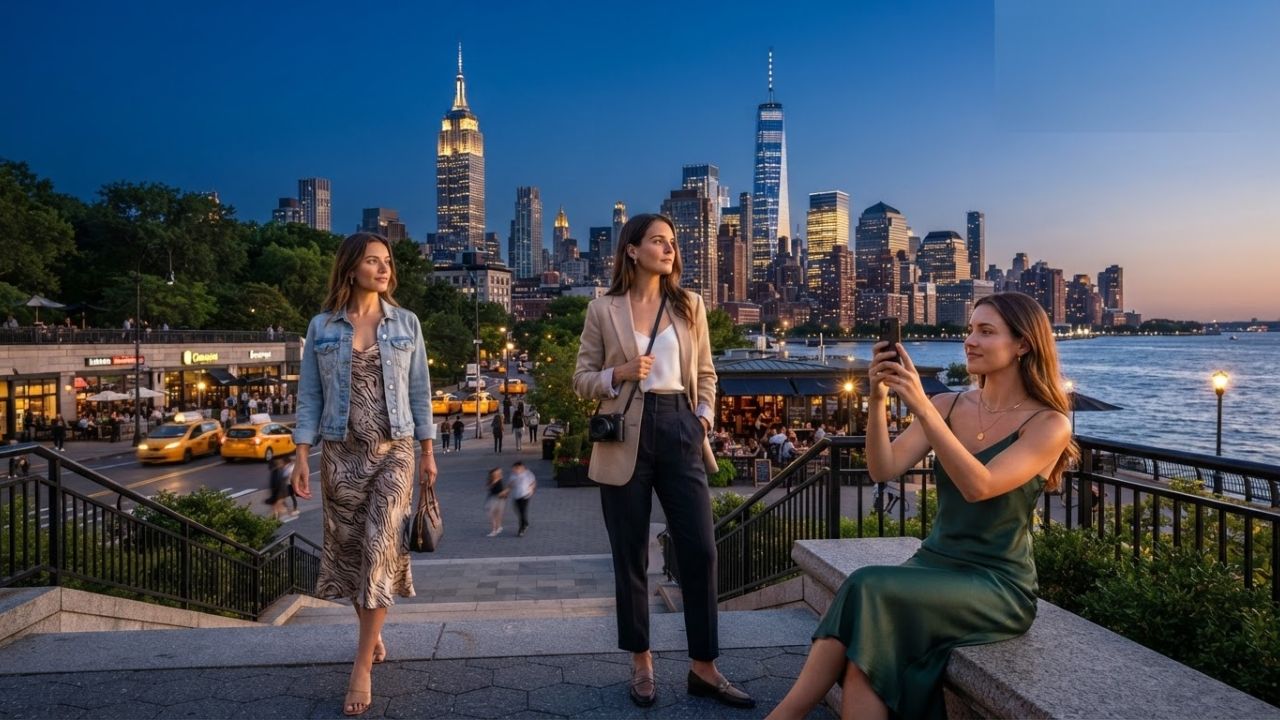
Image generated by AI
Outranking Paris to secure third place in the Global Tourism City Attractiveness Index, New York City trails only Japan's Osaka and Kyoto in visitor sentiment.
The Core Transit Update
Urban transit networks and international passenger corridors in New York City are experiencing elevated travel interest. The latest Global Tourism City Attractiveness Index—which assessed 261 cities globally to select the top 200 destinations—placed New York City at No. 3, trailing Osaka (No. 1) and Kyoto (No. 2).
South Korea's capital Seoul secured fourth place, while France's capital Paris finished fifth. The index analyzed public sentiment and destination awareness across 14 languages in digital travel reviews, social forums, and blogs between June 2025 and May 2026. Scores were weighted across four core criteria: urban beauty and natural scenery (30 per cent), cultural and historical value (30 per cent), experiential tourism content (30 per cent), and hospitality (10 per cent).
Destination Rankings & Sentiment Indicators
Planning an urban vacation requires comparing city infrastructure profiles and tracking visitor ratings. The following tables outline the top five destinations in the Global Tourism City Attractiveness Index and detail the scoring parameters.
| Global Index Position | Destination City | Stated Nation | Key Highlights & Strategic Appeals |
|---|---|---|---|
| No. 1 | Osaka | Japan | Stated strong reputation for dining, shopping, & night entertainment |
| No. 2 | Kyoto | Japan | Heritage sites, traditional culture, & historic character |
| No. 3 | New York City | United States | Balanced skyline, Broadway shows, dining, & Central Park |
| No. 4 | Seoul | South Korea | Modern technology, nightlife, & trendsetting urban zones |
| No. 5 | Paris | France | Landmark heritage, romantic parks, & historical architecture |
Top five destinations in the Global Tourism City Attractiveness Index.
| Index Score Parameter | Percentage Weight | Stated Assessment Metrics |
|---|---|---|
| Urban Beauty & Scenery | 30% of total score | Visual skylines, public parks, & waterfront architecture |
| Cultural & Historical Value | 30% of total score | Museums, historic heritage sites, & regional monuments |
| Experiential Tourism Content | 30% of total score | Gastronomy, live theater, shopping, & evening nightlife |
| Hospitality Index | 10% of total score | Visitor services, hotel quality, & public sentiment |
Global Tourism City Attractiveness Index scoring weights.
Traveler Logistics Guide
From a ground-level perspective, the best way to navigate this is to leverage the MTA Subway system and public rail connections (like the JFK AirTrain or LIRR to Grand Central) when transiting from metropolitan airports, as this avoids the gridlocked highway traffic and high taxi toll fees common along the Van Wyck Expressway. Checking transit maps is recommended.
To plan your urban journey:
- Allow Safe Connecting Windows: When transfering between John F. Kennedy International Airport (JFK) and LaGuardia Airport (LGA), allow a minimum layout window of four hours to manage cross-airport road transfers and luggage pickups.
- Confirm Broadway Bookings early: High-demand Broadway theater performances sell out weeks in advance. Purchase tickets directly from official box office portals to avoid secondary markup rates.
- Navigate Digital Entry Passes: New York’s major museums (such as the Metropolitan Museum of Art or MoMA) utilize timed-entry digital ticketing policies. Book your access slots online before arriving.
- Observe Left-Side Stand Rules: When riding subway escalators, stand on the right side and walk on the left to allow local daily commuters to pass without obstruction.
Infrastructure Impact Assessment
The coordination of high-capacity subway lines and the maintenance of large pedestrian plazas (such as those in Times Square and the High Line) protect residential neighborhoods from excessive private vehicle congestion.
By directing traveler spending to local neighborhood restaurants, Broadway productions (supporting theatrical unions), and municipal park systems (like Central Park Conservancy), the city's tourism strategy funds street sanitation improvements, increases transit patrol budgets, and ensures that the economic yield of urban travel supports civic infrastructure.
Related Travel Guides
Disclaimer
This article is for informational and educational purposes only. It does not constitute legal, financial, or professional advice. While we strive to provide accurate and up-to-date information, travel policies, regulations, and conditions change rapidly. Always verify information with official sources before making travel decisions. Nomad Lawyer makes no representations about the accuracy, reliability, completeness, or suitability of the information provided. Readers should consult qualified professionals for advice specific to their circumstances. The views expressed in this article are those of the author and do not necessarily reflect the views of Nomad Lawyer.