
NYC Leads Urban Spring Break Surge in 2026 Travel Shift
Spring break 2026 marks a dramatic pivot as American travelers abandon traditional beach resorts for major U.S. cities. New York City leads the movement, driven by cost concerns and desire for cultural experiences.

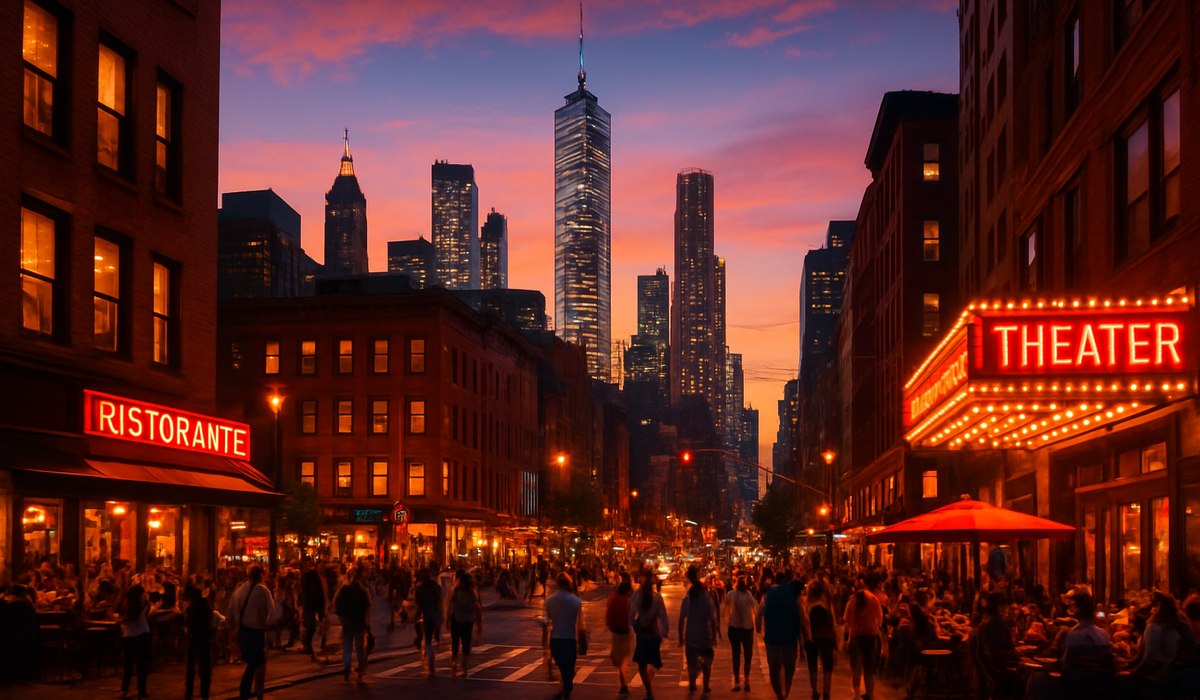
Image generated by AI
Spring Break 2026: New York City Leads Urban Travel Revolution
New York City is emerging as the unexpected spring break champion of 2026, alongside Austin, Los Angeles, Chicago, and Miami, as American travelers fundamentally shift their vacation priorities. Rather than pursuing traditional beach-only getaways, spring breakers are now flocking to major metropolitan centers seeking cultural immersion, world-class dining, live entertainment, and diverse nightlife experiences. This represents a seismic change in how Americans plan their spring vacations, with data indicating record domestic urban travel bookings while international beach destinations face declining interest.
The pivot reflects economic pragmatism combined with changing traveler values. Rising costs for European trips, ongoing geopolitical concerns, and the appeal of multifaceted experiences are pushing vacation budgets toward domestic cities where travelers can maximize their time off with museums, Broadway shows, sports events, and neighborhood exploration all within walking distance.
Urban Destinations Eclipse Beach Getaways This Spring
The spring 2026 travel season is witnessing an unprecedented concentration of bookings toward metropolitan hubs. Industry data from major booking platforms reveals that domestic city breaks are outpacing beach resort packages for the first time in recent spring break history. New York City leads this urban revolution, with booking volumes indicating strong demand despite higher accommodation and entertainment costs compared to traditional resort destinations.
This shift reflects broader consumer behavior changes. Travelers are increasingly willing to pay premium prices for experiences they perceive as irreplaceable, such as Broadway theater, Michelin-starred restaurants, and museum visits. Transportation infrastructure expansion at major urban airports has also facilitated easier access to these destinations. The Federal Aviation Administration reports sustained growth projections for major metropolitan gateways throughout 2026, supporting the infrastructure needed for increased spring break traffic. See more about managing airport crowds during peak travel seasons.
Why American Travelers Are Choosing Cities Over Coasts
Several interconnected factors are driving the spring break migration toward urban centers. First, economic considerations play a significant role. While airfare to cities rivals or exceeds beach destinations, the overall cost-per-experience metric favors metropolitan areas where entertainment, dining, and activities are concentrated within accessible neighborhoods.
Second, the influence of streaming entertainment and social media cannot be underestimated. The phenomenon known as "set jetting"—traveling to locations featured in television shows and films—continues reshaping travel decisions in 2026. New York City, featured prominently in countless television series and films, benefits substantially from this trend. Young adult travelers particularly cite wanting to visit iconic locations from their favorite shows as primary motivators for spring break planning.
Third, travelers increasingly seek authenticity and cultural exchange over passive beach relaxation. Museums, neighborhood walking tours, live music venues, and ethnic dining districts offer engagement levels that resort pools cannot replicate. This represents a fundamental philosophical shift in how spring breakers define a successful vacation. Learn more about cultural tourism planning strategies.
Fourth, extended school calendars and Easter holiday timing in 2026 have pushed some spring breaks deeper into April, creating demand spikes that favor cities with varied indoor and outdoor activities. Miami and Los Angeles benefit from favorable weather during this extended window, while New York's dense entertainment infrastructure serves spring breakers regardless of weather patterns.
Transportation Infrastructure Strains Under Peak Spring Demand
York City leads metropolitan airports in handling record spring break passenger volumes, with comparable surges appearing at Chicago O'Hare, Los Angeles International, and Miami International airports. The Transportation Security Administration projects record or near-record passenger numbers throughout March and April 2026, with peak congestion concentrated on weekends and holiday-adjacent travel windows.
This unprecedented demand is creating operational challenges. Airline staffing constraints, ground handling bottlenecks, and TSA screening delays are becoming recurring issues at major urban hubs. Travelers should anticipate longer security lines, potentially delayed flights, and crowded terminals during peak spring break weeks. Airlines are implementing dynamic scheduling and expanded staffing, yet industry observers acknowledge that capacity constraints remain throughout April.
Airport authorities have issued guidance recommending travelers arrive three hours before domestic flights during peak periods. Ground transportation—including rental cars, rideshare services, and public transit—is also experiencing strain. In New York, the Metropolitan Transportation Authority reports increased subway and taxi demand, while Los Angeles and Miami face congestion on highways connecting airports to city centers.
The Cities Winning Spring Break 2026
New York City dominates spring 2026 travel trends with Broadway reopenings, major museum exhibitions, and an extended restaurant season driving bookings. Round-trip fares from southern markets show 15-25% premiums during peak spring break weeks but remain competitive with Caribbean all-inclusive packages when accommodation and meals are factored into total trip costs.
Austin attracts music-focused travelers and those seeking milder weather than northern cities. South by Southwest festival spillover and Austin's reputation as a live music capital drive consistent bookings throughout March and April.
Miami continues appeal as a sun destination but increasingly emphasizes its Wynwood Arts District, Little Havana cultural experiences, and downtown revitalization alongside traditional beach activities. Beach access regulations in some South Florida communities are subtly redirecting visitors toward more city-centered activities.
Los Angeles benefits from entertainment industry connections, outdoor activities, and event-based tourism. Spring weather, cultural attractions across diverse neighborhoods, and proximity to additional California destinations make it attractive to families and younger travelers.
Chicago offers architectural heritage, museum districts, and neighborhood character while providing more moderate pricing than coastal competitors. The city's transportation system and walkable entertainment districts appeal to college-age and young professional travelers.
Spring Break 2026 Travel Data Overview
| Metric | 2025 vs 2026 Change | Primary Cities Affected | Peak Booking Window |
|---|---|---|---|
| Domestic city bookings | +34% increase | NYC, Austin, Miami, LA, Chicago | February 1-14 |
| Average airfare to cities | +18% YoY | NYC, Miami, LA | $285-425 per round-trip |
| International beach bookings | -22% decline | Caribbean, Mexico, Central America | February 1-28 |
| Hotel occupancy urban centers | 87-94% | NYC, Austin, Miami | March 8-April 20 |
| Average daily spend per traveler | +12% | Major metros | $200-350/day |
| Transportation delays reported | +41% growth | Atlanta, Dallas, Denver hubs | March 15-April 15 |
What This Means for Travelers
Spring break 2026 requires strategic planning given unprecedented demand and infrastructure strain. Here are critical considerations for travelers navigating this shifting landscape:
-
Book accommodations immediately. Urban hotel occupancy rates are reaching 90%+ during peak weeks, with rates increasing 15-20% compared to 2025. Last-minute bookings face limited availability and premium pricing.
-
Expect transportation delays. Arrive at airports three hours before domestic flights. TSA PreCheck and Clear membership provide marginal advantages but cannot eliminate baseline congestion. Build buffer time into connecting flights and ground transportation.
-
Plan multi-day itineraries. Since travel itself consumes more time in 2026, structure spring breaks with 3-4 consecutive days in a single city rather than attempting multiple destinations.
-
Consider shoulder dates. Traveling March 8-14 or April 16-20 substantially reduces crowds and costs while maintaining pleasant spring weather in major cities.
-
Embrace neighborhood exploration. City breaks maximize value through walking tours, ethnic dining, and free cultural events rather than expensive attractions. Research neighborhood guides before arrival to identify authentic experiences.
Frequently Asked Questions
Is New York City safe for spring break travelers in 2026?
Yes. New York maintains robust police presence in tourist districts. Standard urban travel precautions apply: avoid displaying valuables, use registered taxis or official rideshare services,
Disclaimer
This article is for informational and educational purposes only. It does not constitute legal, financial, or professional advice. While we strive to provide accurate and up-to-date information, travel policies, regulations, and conditions change rapidly. Always verify information with official sources before making travel decisions. Nomad Lawyer makes no representations about the accuracy, reliability, completeness, or suitability of the information provided. Readers should consult qualified professionals for advice specific to their circumstances. The views expressed in this article are those of the author and do not necessarily reflect the views of Nomad Lawyer.
Preeti Gunjan
Contributor & Community Manager
A passionate traveller and community builder. Preeti helps grow the Nomad Lawyer community, fostering engagement and bringing the reader experience to life.
Learn more about our team →