
United Airlines Pilot Received Multiple Low-Altitude Warnings Before Newark Light Pole Strike, NTSB Reveals
Breaking airline news and aviation industry updates for 2026.

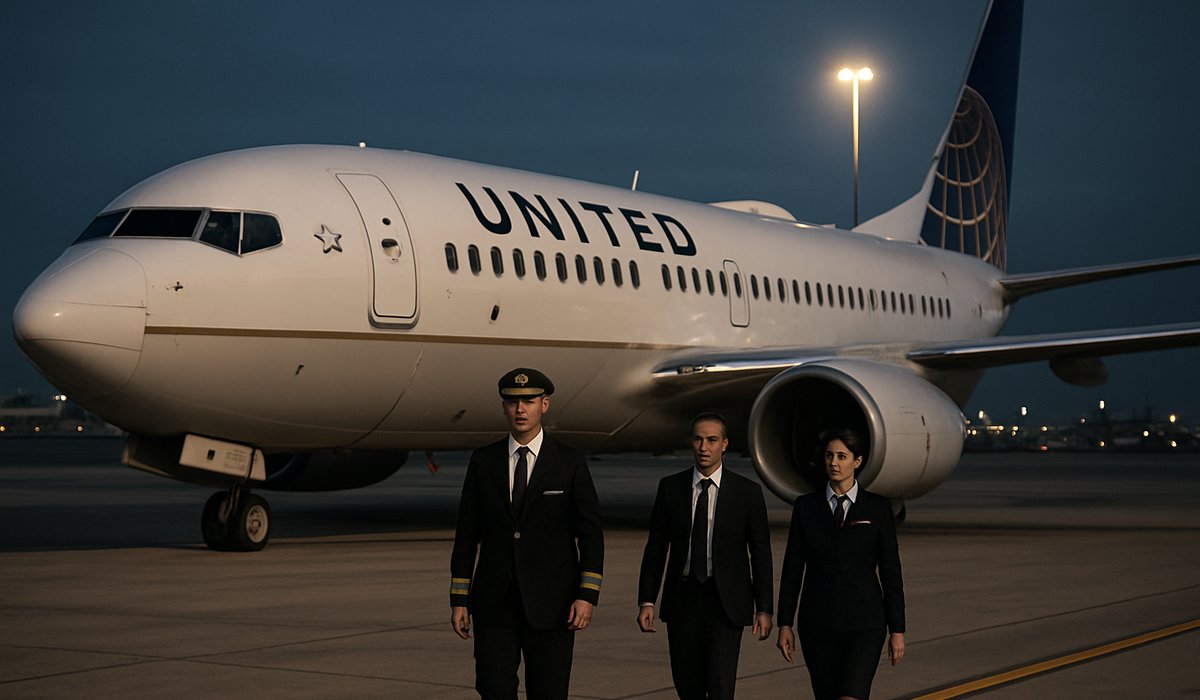
Image generated by AI
United Airlines Pilot Received Multiple Low-Altitude Warnings Before Newark Light Pole Strike, NTSB Reveals
Federal investigators detail critical descent errors in May landing incident at Newark Liberty International Airport
Investigation Uncovers Repeated Cockpit Alerts
Fresh details emerging from a National Transportation Safety Board investigation have exposed a series of automated warnings that preceded United Airlines Flight 169's collision with a light pole during landing operations at Newark Liberty International Airport (EWR) on May 3rd. According to an 11-page preliminary report released by federal safety officials, the captain commanding the aircraft received multiple alerts indicating dangerously low altitude and insufficient airspeed during the final approach phase.
The incident marks a significant safety concern for the aviation industry, particularly regarding pilot adherence to instrument guidance systems designed to prevent controlled flight into terrain accidents—a category of mishap that has claimed thousands of lives globally over recent decades.
Critical Warnings Ignored During Descent
The NTSB's investigation reveals that cockpit instrumentation triggered repeated cautions as United Airlines Flight 169 descended below the optimal glideslope trajectory. These automated systems, standard safety features across modern commercial aircraft, were programmed to alert pilots when approach parameters deviate from safe operating standards.
"The captain received multiple warnings that the aircraft was below glideslope and below target airspeed," according to the NTSB's preliminary findings. Such alerts exist as critical redundancies in modern aviation safety architecture, particularly during the final approach and landing phase—statistically the most accident-prone segment of commercial flight operations.
Broader Aviation Safety Implications
The incident raises questions about situational awareness protocols and decision-making procedures within airline cockpits. While the specific sequence of events leading to the light pole strike remains under investigation, the case underscores ongoing industry discussions about pilot training standards and adherence to instrument guidance systems.
The Federal Aviation Administration and major U.S. carriers, including United Airlines, continue to emphasize rigorous approach procedures and crew resource management training to prevent similar accidents.
What Happens Next
The NTSB investigation remains ongoing, with final determinations regarding probable cause expected in subsequent reports. United Airlines has not issued public statements regarding operational changes prompted by the incident.
FAQ: United Airlines Newark Incident and Aviation Safety
What happened to United Airlines Flight 169 at Newark? On May 3rd, United Airlines Flight 169 struck a light pole during landing at Newark Liberty International Airport (EWR), prompting a full federal safety investigation into the pilot's approach procedures.
Why did the pilot receive "low and slow" warnings? Automated cockpit systems detected that the aircraft descended below the safe glideslope angle and failed to maintain adequate airspeed during final approach—both critical safety parameters for landing operations.
How does the NTSB investigate airline accidents? The National Transportation Safety Board conducts independent investigations into commercial aviation incidents, examining mechanical systems, crew procedures, and environmental factors to determine probable causes and recommend safety improvements.
What are glideslope and airspeed warnings in aviation? These are automated safety alerts that activate when aircraft deviate from optimal landing parameters, helping prevent accidents caused by inadequate altitude or speed during approach.
How common are landing incidents at major U.S. airports? While serious landing accidents remain statistically rare at modern commercial airports like Newark, approach-phase incidents represent a significant focus area for FAA oversight and airline safety programs.
Related Travel Guides
- Norfolk America Airport: United Delays 16 Flights, Cancels 6 on March 25
- China Travel Chaos: 65 Flight Disruptions Paralyze Guangzhou Baiyun Airport as Critical Cancellations Sever Routes to Tokyo and Beijing
- Mid-Air Threat Triggers Travel Chaos: United Airlines Flight 2005 Violently Diverted to Madison Following Severe Unruly Passenger Disturbance
Disclaimer
This article is for informational and educational purposes only. It does not constitute legal, financial, or professional advice. While we strive to provide accurate and up-to-date information, travel policies, regulations, and conditions change rapidly. Always verify information with official sources before making travel decisions. Nomad Lawyer makes no representations about the accuracy, reliability, completeness, or suitability of the information provided. Readers should consult qualified professionals for advice specific to their circumstances. The views expressed in this article are those of the author and do not necessarily reflect the views of Nomad Lawyer.
Preeti Gunjan
Contributor & Community Manager
A passionate traveller and community builder. Preeti helps grow the Nomad Lawyer community, fostering engagement and bringing the reader experience to life.
Learn more about our team →