
NTSB Reveals Critical Findings in UPS MD-11 Crash: Engine Pylon Structural Failure Led to Catastrophic Loss
Breaking airline news and aviation industry updates for 2026.

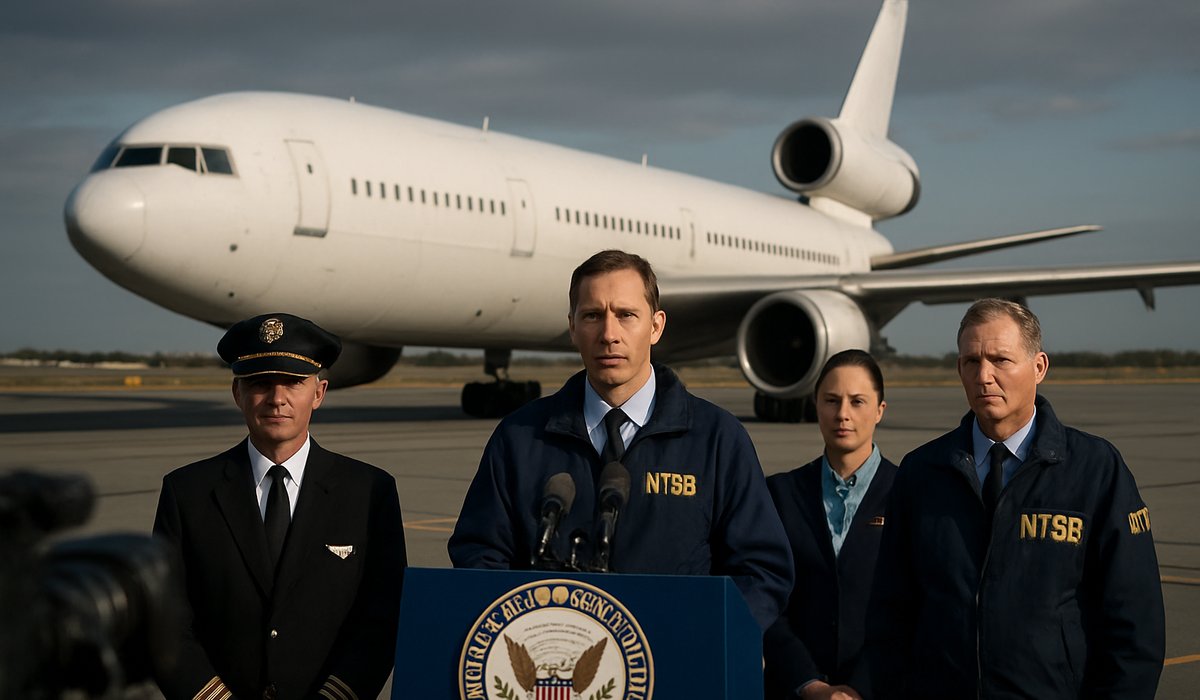
Image generated by AI
NTSB Reveals Critical Findings in UPS MD-11 Crash: Engine Pylon Structural Failure Led to Catastrophic Loss
Federal investigators release unprecedented video documentation of cargo aircraft accident, exposing dangerous maintenance gap in aging fleet
Investigation Breakthrough Sheds Light on Structural Vulnerability
The National Transportation Safety Board unveiled comprehensive video evidence on May 19th detailing the sequence of events that culminated in the destruction of UPS Flight 2976, a significant development in understanding structural vulnerabilities affecting the global cargo aviation sector. The investigation pinpoints a catastrophic separation of the engine pylon assembly as the primary factor in the accident, raising urgent questions about maintenance protocols and inspection standards across aging wide-body freighter operations.
How the Structural Failure Unfolded
Federal safety investigators documented the precise mechanics behind the pylon separation through detailed technical analysis and reconstruction footage. The investigation reveals that progressive structural degradation in the engine mounting system created a critical failure point during flight operations. This finding carries substantial implications for the estimated hundreds of similar-generation aircraft still operating within international cargo networks, many operated by major carriers including FedEx, Lufthansa Cargo, and regional operators worldwide.
The NTSB's findings underscore growing concerns within the aviation maintenance community regarding the aging MD-11 fleet. Many of these aircraft, originally designed and manufactured in the 1990s, continue flying with extended service lives well beyond their original operational projections. The structural failure mechanism identified in this investigation suggests that cumulative flight hours, combined with potential gaps in preventive maintenance inspection intervals, may have contributed to the catastrophic outcome.
Industry-Wide Safety Implications
The disclosure arrives amid heightened scrutiny of cargo aircraft operations, particularly in an era when freight services command premium pricing and operational pressure remains intense. Airlines operating legacy freighter platforms face mounting pressure to extend aircraft service lives to maximize return on investment, potentially creating maintenance compliance challenges.
The NTSB's video documentation provides unprecedented transparency regarding structural failure propagation in commercial aviation. Regulatory authorities, including the Federal Aviation Administration, are expected to review maintenance directives and inspection protocols applicable to MD-11 engine pylon assemblies across the global fleet.
Aviation safety experts emphasize that the findings represent critical data for the industry's understanding of metal fatigue progression and structural monitoring in aging aircraft. The investigation results are anticipated to inform revised maintenance requirements and potentially accelerate retirement timelines for the oldest aircraft in this category.
Frequently Asked Questions
What caused UPS Flight 2976 to crash? The NTSB investigation concluded that structural failure and separation of the engine pylon assembly from the aircraft fuselage triggered the catastrophic accident, resulting from progressive structural degradation.
How many MD-11 cargo aircraft are still operating globally? Hundreds of MD-11 freighters remain in active service worldwide, operated by major cargo carriers and charter operators, many exceeding 25 years in operation.
Will this discovery affect other airlines flying similar aircraft? Yes. The FAA is expected to issue revised maintenance directives and inspection requirements for MD-11 engine pylon systems affecting all operators of this aircraft type.
What is the typical lifespan of an MD-11 aircraft? While originally designed for approximately 20-25 years of service, many MD-11s continue operating through extended service life programs, pushing operational ages to 30+ years.
Are older cargo aircraft subject to different safety standards? Cargo aircraft follow identical certification and maintenance standards as passenger aircraft; however, economic factors may influence inspection frequency and component replacement decisions among operators.
Related Travel Guides
- Oman Air Cancels 9 Routes Till March 2026 Amid Gulf Airspace Chaos
- Lucrative Aviation Careers Beyond the Cockpit: Five High-Paying Roles Reshaping the Industry in 2026
- Royal Air Maroc Indefinitely Suspends 12 Key Routes to Europe and Africa as Fuel Spikes Cause Regional Flight Cancellations, Airport Disruptions, and Passenger Travel Chaos: New Airline News and Aviation Updates
Disclaimer
This article is for informational and educational purposes only. It does not constitute legal, financial, or professional advice. While we strive to provide accurate and up-to-date information, travel policies, regulations, and conditions change rapidly. Always verify information with official sources before making travel decisions. Nomad Lawyer makes no representations about the accuracy, reliability, completeness, or suitability of the information provided. Readers should consult qualified professionals for advice specific to their circumstances. The views expressed in this article are those of the author and do not necessarily reflect the views of Nomad Lawyer.
Kunal K Choudhary
Co-Founder & Contributor
A passionate traveller and tech enthusiast. Kunal contributes to the vision and growth of Nomad Lawyer, bringing fresh perspectives and driving the community forward.
Learn more about our team →