
County Antrim Tourism Faces August 2026 Spend Compression and Shorter Visitor Stays
County Antrim's tourism sector experienced shorter visitor stays (8.3 nights) and spending compression during August 2026.

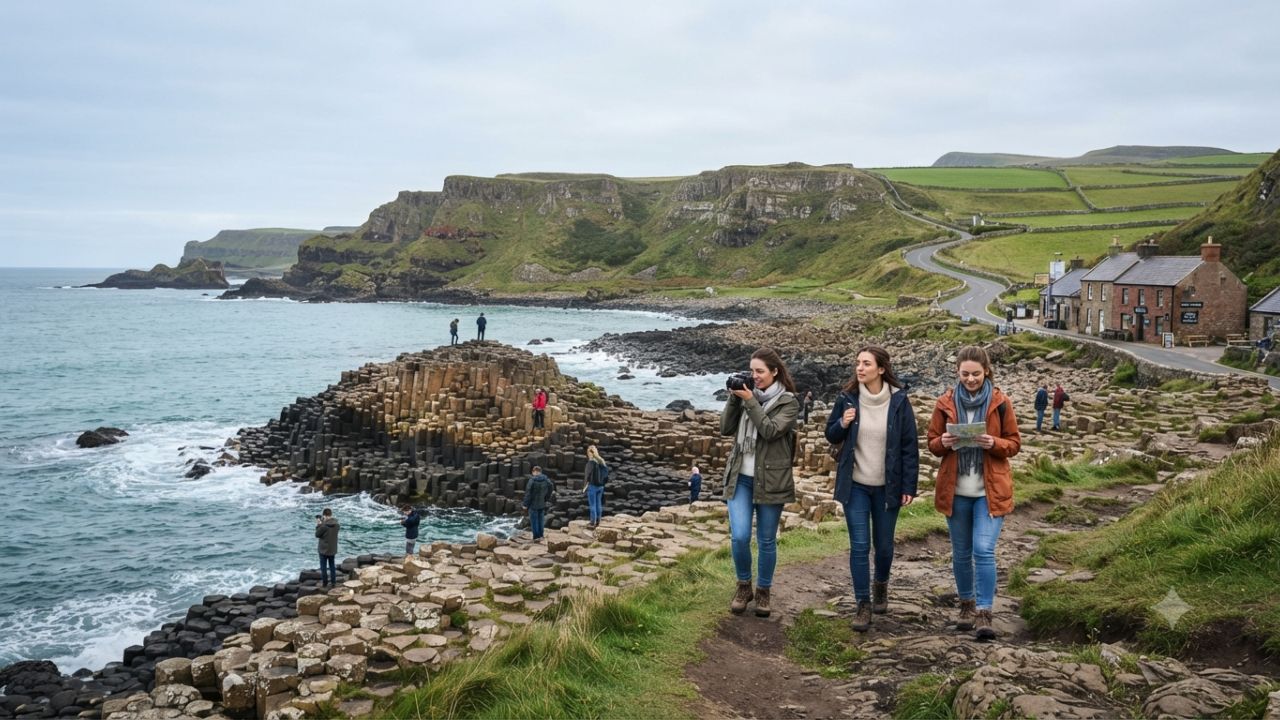
Image generated by AI
Northern Ireland’s County Antrim experienced notable spend compression and shorter average visitor stays during August 2026, despite strong hotel inventory expansions across the region.
According to regional performance data compiled by the Northern Ireland Statistics and Research Agency, average length-of-stay metrics for inbound travelers contracted by 4 percent, dropping from 8.6 nights to 8.3 nights. While national Irish visitor volume recorded a minor 2 percent increase, discretionary spending per visitor fell by 4 percent down to €924, creating yield pressures for accommodation providers and independent tourism operators along the Causeway Coastal Route.
Structural Headwinds Hit High-Yield Coastal Landmarks
The contraction in long-haul markets disproportionately affected County Antrim's flagship heritage and natural attractions. Official metrics recorded a more than 2 percent decline in core North American and European long-haul visitor segments during August.
Marquee destinations—including the Giant's Causeway, the Carrick-a-Rede Rope Bridge, and the Old Bushmills Distillery—experienced softer demand for premium guided tour packages. Furthermore, mandatory environmental carrying capacity caps designed to prevent habitat degradation restricted daily walk-up admissions at protected sites, limiting operators' ability to offset declining per-capita spend through higher volume.
Hotel Supply Expands Past 10,000 Rooms Amid Rate Compression
Northern Ireland’s hotel room capacity passed a milestone in 2026, exceeding 10,000 total rooms and offering over 22,000 available bed spaces. Earlier summer performance registered robust room transactions exceeding 233,000 sales across the region.
However, August occupancy data revealed an imbalance as rapid lodging inventory growth outpaced actual visitor arrivals. To maintain room occupancy, hoteliers across County Antrim lowered average daily rates, squeezing profit margins against rising operational overheads.
Urban-Rural Disparity Masks Outer Antrim Trading Lows
Regional performance statistics highlighted a sharp geographical divide between Belfast’s urban core and rural coastal townlands. While Belfast city-center footfall surged by up to 89 percent during major August events such as the Fleadh Cheoil, outer towns across County Antrim saw minimal spillover traffic.
Rural bed-and-breakfasts, regional heritage centers, and family-owned restaurants reported quiet trading periods as event-driven travelers remained concentrated within capital city hotels. Regional planners note that while island-wide domestic staycations provided baseline room occupancy, domestic travelers spend significantly less per trip than long-haul international visitors.
Reconciling NISRA and CSO Statistical Frameworks
Analyzing regional performance in County Antrim requires navigating structural reporting differences between governing statistical agencies:
- NISRA (Northern Ireland Statistics and Research Agency): Serves as the primary authority tracking internal Northern Ireland hotel occupancy, domestic overnight trips, and localized regional performance.
- CSO (Central Statistics Office of Ireland): Tracks monthly inbound metrics for the Republic of Ireland but explicitly excludes visitor arrivals and departures via Northern Ireland ports and cross-border entries.
Reconciling these datasets remains essential for regional authorities designing targeted marketing campaigns for upcoming travel seasons.
| Tourism Indicator | August 2026 Performance | Baseline Benchmark | Structural Shift |
|---|---|---|---|
| Average Length of Stay | 8.3 Nights | 8.6 Nights | -4.0% duration contraction |
| Mean Spend Per Tourist | €924 | ~€962 | -4.0% per-capita spend reduction |
| Total Hotel Inventory | 10,000+ Rooms | <9,500 Rooms | First-time milestone (>22,000 beds) |
| Belfast City Center Footfall | +89% Event Surge | Baseline Urban Level | Urban concentration during events |
| Long-Haul Market Arrivals | -2.0%+ Decline | Historical Peak | Softening North American & EU volume |
Frequently Asked Questions
What caused the August 2026 tourism challenge in County Antrim?
The primary factors were discretionary spending compression, a 4% drop in average stay duration to 8.3 nights, softening long-haul arrivals, and hotel supply outpacing visitor growth.
How large is Northern Ireland's hotel inventory?
Northern Ireland’s total hotel inventory surpassed 10,000 rooms for the first time in 2026, offering over 22,000 available bed spaces.
Which agency tracks Northern Ireland's official tourism statistics?
The Northern Ireland Statistics and Research Agency (NISRA) is the primary government body tracking internal hotel occupancy, domestic trips, and regional tourism metrics.
How did Belfast events affect rural County Antrim tourism?
While Belfast city-center footfall jumped up to 89% during major August events, outer rural towns experienced little spillover traffic, resulting in quiet trading periods along the coast.
Related Travel Guides
Disclaimer
This article is for informational and educational purposes only. It does not constitute legal, financial, or professional advice. While we strive to provide accurate and up-to-date information, travel policies, regulations, and conditions change rapidly. Always verify information with official sources before making travel decisions. Nomad Lawyer makes no representations about the accuracy, reliability, completeness, or suitability of the information provided. Readers should consult qualified professionals for advice specific to their circumstances. The views expressed in this article are those of the author and do not necessarily reflect the views of Nomad Lawyer.
Naina Thakur
Contributor & Travel Specialist
Travel enthusiast and legal writer covering visa regulations, responsible tourism, and cultural journeys across global destinations.
Learn more about our team →