
North America Tourism Recovery 2026: US and Canada Regional Travel Outpaces Overseas Markets
Regional tourism between the US and Canada surges in 2026, with land-based travel and new infrastructure like the Gordie Howe International Bridge driving a shift away from volatile overseas markets.

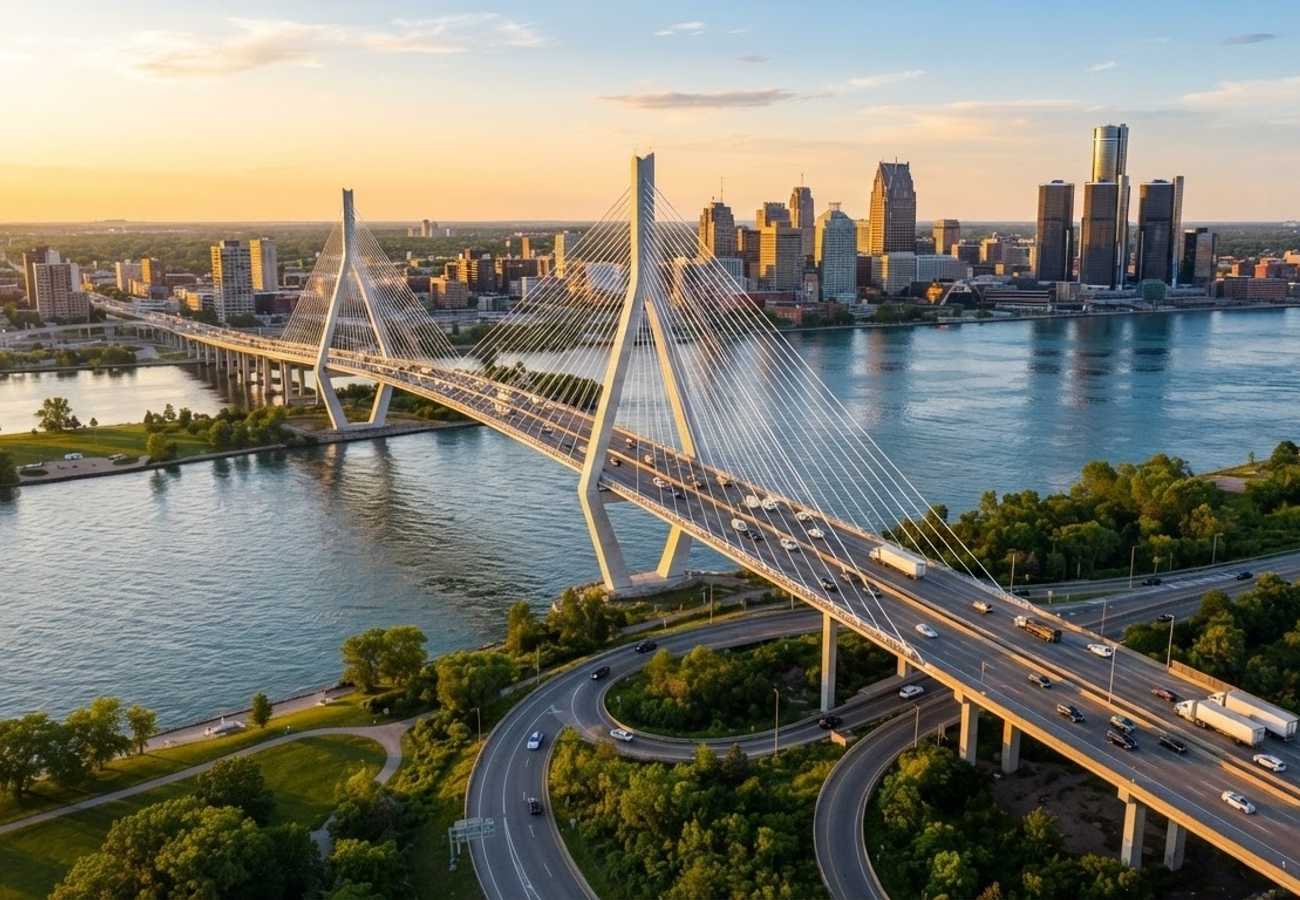
Image generated by AI
Regional tourism within North America is expanding at a rate that significantly exceeds overseas recovery, driven by a fundamental shift toward bilateral US-Canada movement. New infrastructure and a pivot away from volatile transcontinental flights are cementing a resilient, land-based travel economy.
The global travel sector has undergone a systemic realignment. Following a period of pandemic-era closures and subsequent geopolitical disputes, international mobility has shifted. The North America Tourism Recovery 2026 is not a simple return to pre-2020 norms, but a structural change in traveler behavior that favors regional, cross-border movement over long-haul international flights.
For decades, the United States and Canada relied on European and East Asian markets to drive revenue. However, elevated aviation costs, inflation in Europe, and geopolitical instability have diminished the viability of transcontinental leisure travel. Consequently, policymakers in Ottawa and Washington have prioritized the shared North American travel economy to buffer domestic industries against global shocks.
The 2025 Reset and the 2026 Surge
The current growth is a direct reaction to the challenges of 2025. Data from Statistics Canada indicates a 20.9% drop in Canadian tourism to the United States in 2025, with land-based travel plummeting by nearly 30.9%, resulting in approximately 7.6 million fewer vehicles crossing the southern border.
This decline was largely a response to geopolitical tensions that dampened bilateral relations and consumer confidence. By late 2025, a significant portion of Canadian households abandoned customary winter holidays in the American Sunbelt. As diplomatic relations normalized in 2026, pent-up demand created an explosive year-over-year growth effect.
Economic Drivers of Regional Preference
Regional travel has become the pragmatic choice for North American households due to several factors:
- Cost Efficiency: Persistent inflationary pressures on transoceanic airfares have priced out middle-class travelers, making vehicular travel a cost-effective alternative.
- Predictability: Land border crossings, supported by modernized infrastructure and seamless visa protocols, offer lower risk than international aviation, which remains prone to airspace closures and scheduling disruptions.
- Budget Control: Travelers maintain tighter control over itineraries and spending when staying within the continent.
Official Transit Data: July 2026 Performance
Preliminary data from Statistics Canada for August 2026 shows that Canada recorded 6.8 million international arrivals in July 2026 alone, a 6.3% increase over July 2025. This growth is primarily driven by regional neighbors.
US-Canada Bilateral Travel Statistics (July 2026)
| Travel Metric | Volume | Year-over-Year Change | Primary Mode |
|---|---|---|---|
| US Resident Trips to Canada | 2.7 Million | +6.5% | Automobile (1.9M) |
| Canadian Resident Return Trips from US | 2.3 Million | +10.2% | Automobile (+12.8%) |
| US Land-Based Entries (Peak Day July 3) | 140,400 | N/A | Automobile |
| Commercial Air Travel (US to Canada) | 749,000 | +4.8% | Aviation |
| Air Travel (Canada returns from US) | N/A | -1.4% | Aviation |
The data highlights a distinct preference for land-based interconnectivity. While US resident trips to Canada have seen six consecutive months of year-over-year expansion, Canadian return trips by air have actually decreased slightly, reinforcing the shift toward road-based tourism.
Infrastructure Impact: The Gordie Howe International Bridge
A critical catalyst for this recovery was the opening of the Gordie Howe International Bridge on July 27, 2026. Connecting Windsor, Ontario, and Detroit, Michigan, this project is designed to eliminate historical bottlenecks through state-of-the-art tolling and border processing.
The immediate impact was evident in the first five days of operation (July 27 to July 31):
- Canadian-resident return trips (automobile): 18,900
- US-resident entries to Canada: 18,100
The bridge has not replaced existing infrastructure but has distributed the traffic load across the Ambassador Bridge and the Windsor-Detroit Tunnel, enhancing the overall fluidity of the Detroit-Windsor corridor.
Traveler Logistics Guide: Navigating the US-Canada Border
From a ground-level perspective, the best way to navigate this surge in regional travel is to leverage digital integration and strategic timing.
1. Digital Border Processing To avoid the peak congestion seen during holidays like July 3rd, travelers should utilize official customs apps and digital declarations. For those entering Canada, ensuring all documentation is uploaded via the ArriveCAN portal (or its 2026 equivalent) can significantly reduce idling time at land ports.
2. Optimal Crossing Strategies With the opening of the Gordie Howe International Bridge, travelers between Michigan and Ontario should prioritize this route for commercial and leisure transit to avoid the legacy congestion of the Ambassador Bridge. For those driving, monitoring real-time border wait times via official government dashboards is essential.
3. Connection Planning When planning multi-city regional trips (e.g., Seattle to Vancouver or Detroit to Windsor), allow for a minimum of 2-3 hours of buffer time for border processing during peak summer months, despite the new infrastructure.
4. Visa and Documentation While bilateral agreements have streamlined movement, travelers must ensure passports are valid for at least six months beyond the intended stay. For non-citizens traveling between the two nations, verify specific transit visa requirements as regional policies evolve.
Regional Connectivity Assessment
The pivot toward a North American travel economy reduces the region's vulnerability to global macroeconomic shocks. By strengthening the US-Canada corridor, both nations are creating a self-sustaining tourism loop. The reliance on land-based travel suggests that future infrastructure investments should focus on EV charging networks along major border corridors and further digitization of customs checkpoints to sustain this growth.
The era of the transcontinental flight as the primary vacation staple is yielding to the resilience of the regional road trip.
Related Travel Guides
Disclaimer
This article is for informational and educational purposes only. It does not constitute legal, financial, or professional advice. While we strive to provide accurate and up-to-date information, travel policies, regulations, and conditions change rapidly. Always verify information with official sources before making travel decisions. Nomad Lawyer makes no representations about the accuracy, reliability, completeness, or suitability of the information provided. Readers should consult qualified professionals for advice specific to their circumstances. The views expressed in this article are those of the author and do not necessarily reflect the views of Nomad Lawyer.
Kunal K Choudhary
Co-Founder & Contributor
A passionate traveller and tech enthusiast. Kunal contributes to the vision and growth of Nomad Lawyer, bringing fresh perspectives and driving the community forward.
Learn more about our team →