
Nordic Coolcation Boom: Reykjavik, Copenhagen, Bergen Lead European Heat Escape Surge 2026
Extreme southern European heatwaves trigger massive shift northward as travelers prioritize thermal comfort over traditional Mediterranean holidays in 2026.

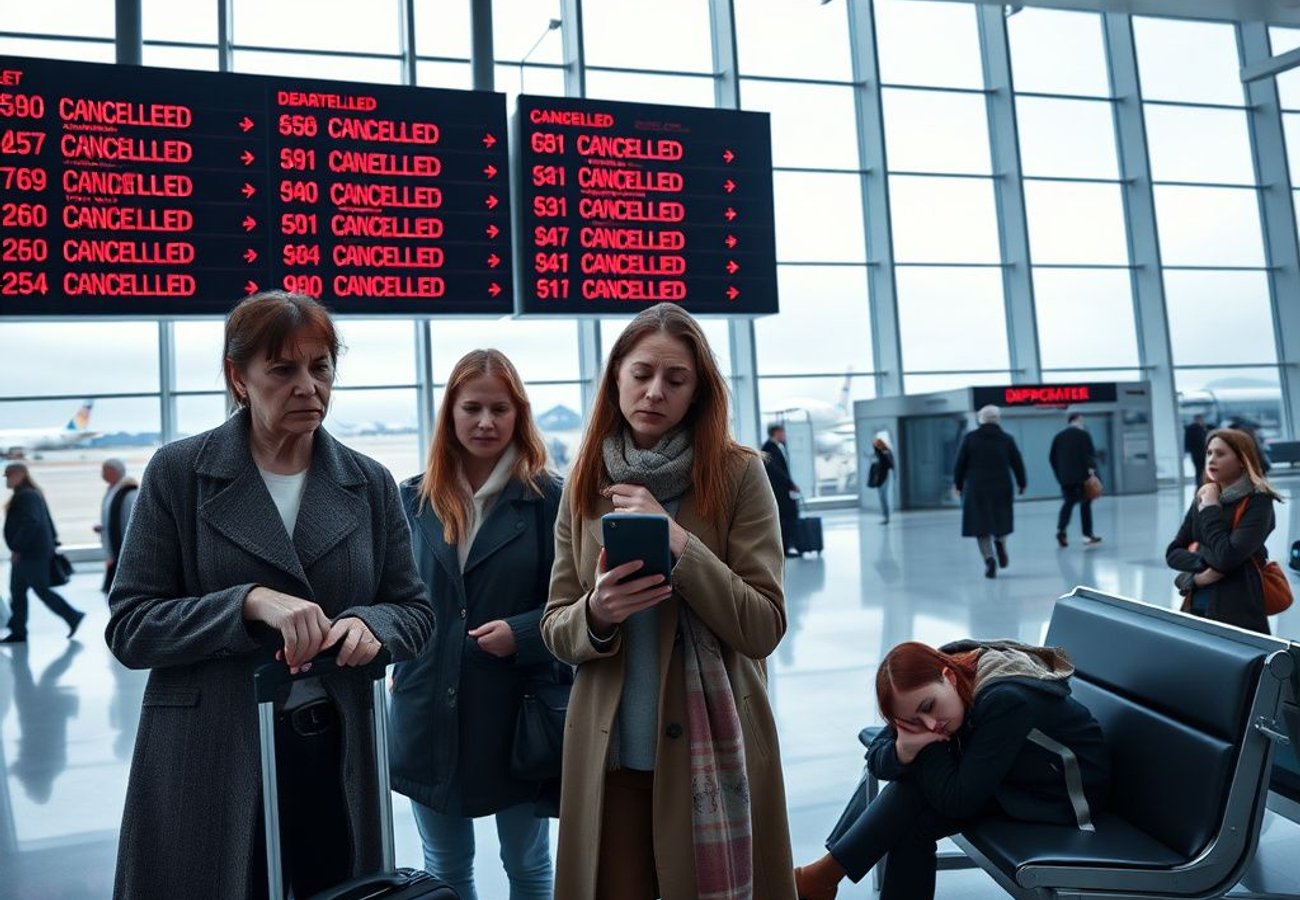
Image generated by AI
The Great Northern Migration
Reykjavik, Copenhagen, Bergen, Tallinn, and Riga are experiencing an unprecedented tourism explosion. What's driving it? Travelers are fleeing scorching southern European heat in record numbers, and northern capitals are cashing in on the shift.
The phenomenon has a name now: the coolcation—vacations booked purely for climate comfort. It's not just a trend. It's a seismic restructuring of how millions of Europeans plan their summer holidays.
Why Southern Europe Lost Its Crown
Europe recorded its warmest July on record in 2024, and 2026 is tracking even hotter. Temperatures exceeding 40°C across the Mediterranean are no longer exceptions—they're the new normal.
Public health warnings are mounting. Heat exhaustion cases are skyrocketing. Outdoor tourism operators are canceling activities to protect guests. The once-unshakeable appeal of Mediterranean sun and sand is evaporating.
Reddit: "Booked Reykjavik instead of Greece. Best decision ever. No melting, no crowds, actual comfort." — r/travel
Traditional coastal holidays are being abandoned for something radical: the promise of actually pleasant weather.
Iceland's Stunning Comeback
Reykjavik is ground zero for this shift. Airport authorities are processing massive international arrivals daily. Geothermal pools, glacial valleys, and the midnight sun are drawing thousands per day from heat-scorched regions.
The Icelandic government has weaponized this moment. National tourism campaigns now position Iceland as a safe haven from extreme heat. Renewable energy credentials and green urban spaces are being aggressively marketed as sustainability bonuses.
The hospitality sector is being stretched to capacity. Regional planners are urgently implementing strategies to disperse tourists across the island before infrastructure collapses.
Copenhagen's Urban Renaissance
Copenhagen is thriving under similar conditions. The city's famous bicycle infrastructure is expanding to handle congestion. Harbour bathing facilities are being rigorously maintained to ensure pristine water quality.
Transit authorities have activated additional public transport routes during peak summer months. The cool maritime climate is proving to be the ultimate luxury amenity—one that money can't buy in the Mediterranean.
Visitor satisfaction scores remain consistently high. The Danish capital has become a template for cool-weather tourism adaptation.
Bergen's Fjord Advantage
Bergen's dramatic western coastline is experiencing cruise ship and hiking traffic at unprecedented levels. Port facilities are being upgraded to handle marine traffic safely.
The environmental cost is real, though. Strict regulations are being enforced to protect the delicate fjord ecosystems from pollution. Local authorities are actively funneling tourists toward sustainable transport options.
Remarkably, Bergen's traditionally rainy, misty climate—once a tourism liability—is now a selling point. Travelers desperate for relief from southern heat are embracing the cool Atlantic winds.
Medieval Charm Meets Modern Crowds
Tallinn's well-preserved medieval architecture is drawing visitors at record rates. City walls and cobblestone streets are being carefully protected from excessive wear by the national heritage board.
The moderate Baltic climate is highly valued by travelers actively avoiding southern Europe. Digital tourism solutions are being implemented by the Estonian government to streamline the visitor experience and reduce physical crowding in narrow historical districts.
The cultural vibrancy is being showcased globally to an expanding audience.
Riga's Affordable Allure
Riga is experiencing simultaneous tourism surges. The extensive architectural districts are being comprehensively documented by international travel media.
The relatively affordable cost of hospitality—coupled with comfortable weather—is being heavily highlighted. Direct flight connections to the Latvian capital are being continuously established by European and global carriers.
The ministry of finance is celebrating the economic resurgence of Latvia's tourism sector.
Billions Shifting Economies
The macroeconomic impact is staggering. Billions of euros in tourism revenue are being effectively transferred from southern to northern European economies.
Mediterranean hospitality businesses are absorbing significant financial losses from cancelled reservations. Conversely, hotels and restaurants in Reykjavik, Copenhagen, Bergen, Tallinn, and Riga are reporting record profits.
New employment opportunities are being generated across the northern tourism sector at unprecedented rates. Northern governments are utilizing taxation revenues from tourism to fund major public infrastructure projects.
Government Coordination
Tourism boards across Iceland, Denmark, Norway, Estonia, and Latvia are launching coordinated promotional campaigns. Data sharing agreements between national statistical agencies are proving the direct correlation between southern heatwaves and northern bookings.
Sustainable growth models are being prioritized over unchecked expansion. National statistical offices are publishing monthly overnight stay figures that definitively prove this paradigm shift.
The long-term viability of northern tourism infrastructure is being fiercely protected by strategic policy decisions.
What Travelers Need to Know
Book early. These cities are filling up fast. Summer 2026 accommodation in Reykjavik, Copenhagen, and Bergen is already constrained.
Budget accordingly. While Riga and Tallinn remain relatively affordable, Iceland and Denmark command premium pricing. Package deals combining multiple northern cities are becoming increasingly popular.
Expect crowds. The infrastructure upgrades are real, but sudden tourist influxes still create bottlenecks, especially in historical districts.
Plan flexible itineraries. Cool weather doesn't mean perfect weather. Rain, wind, and fog are still possibilities—come prepared.
The coolcation isn't a passing fad. It's a permanent recalibration of European travel priorities driven by climate reality.
Related Travel Guides
Disclaimer
This article is for informational and educational purposes only. It does not constitute legal, financial, or professional advice. While we strive to provide accurate and up-to-date information, travel policies, regulations, and conditions change rapidly. Always verify information with official sources before making travel decisions. Nomad Lawyer makes no representations about the accuracy, reliability, completeness, or suitability of the information provided. Readers should consult qualified professionals for advice specific to their circumstances. The views expressed in this article are those of the author and do not necessarily reflect the views of Nomad Lawyer.
Kunal K Choudhary
Co-Founder & Contributor
A passionate traveller and tech enthusiast. Kunal contributes to the vision and growth of Nomad Lawyer, bringing fresh perspectives and driving the community forward.
Learn more about our team →