
New Zealand Tourist Tax 2026: Queenstown Proposes Local Levy on Top of NZD $100 National IVL
Queenstown emerges as New Zealand's most expensive hub for holidaymakers as the region proposes a 5% accommodation levy to supplement the nationwide NZD $100 International Visitor Conservation and Tourism Levy.
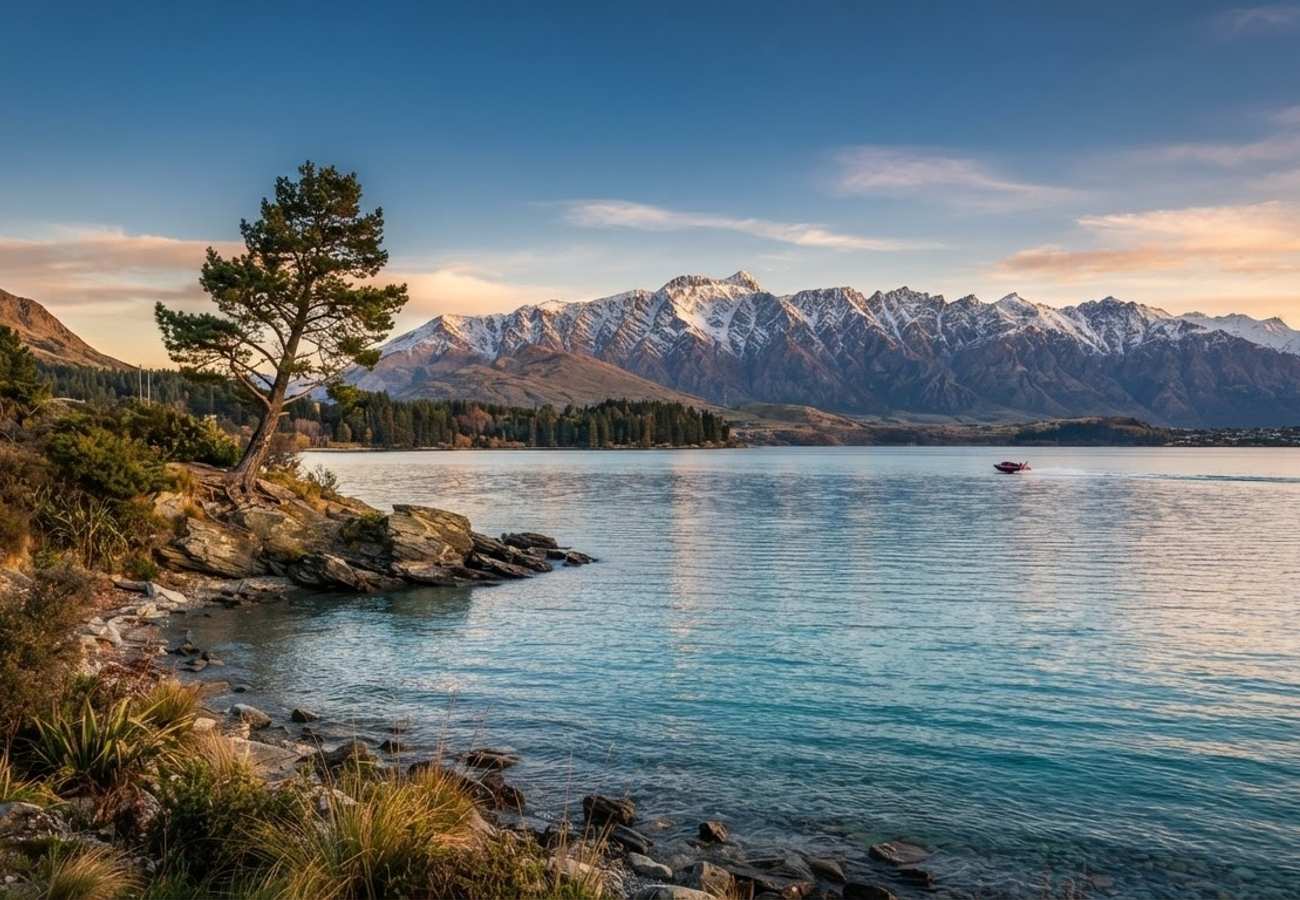
Image generated by AI
International visitors to New Zealand in 2026 face a mandatory NZD $100 International Visitor Conservation and Tourism Levy (IVL), but those heading to Queenstown may soon encounter additional local costs via a proposed 5% accommodation surcharge.
The Shift Toward Localized Tourism Funding
While New Zealand has traditionally avoided the fragmented "city tax" models seen in European hubs like Venice or Barcelona, a shift is occurring in the South Island. The primary financial requirement for most international arrivals remains the nationwide International Visitor Conservation and Tourism Levy (IVL), currently set at NZD $100. This fee is typically collected during the New Zealand Electronic Travel Authority (NZeTA) or visa application process.
However, Queenstown is diverging from this national standard. To combat the pressures of being the country's adventure capital, the Queenstown Lakes District Council has proposed a local visitor levy specifically targeting short-term accommodation. This move signals a transition toward "destination-specific" funding to manage the environmental and infrastructural strain caused by high visitor concentrations.
Impact Analysis: National vs. Local Charges
For the traveler, the real impact is a tiered cost structure. While a visitor spending time in Auckland, Wellington, or Rotorua only pays the one-time national fee, a stay in Queenstown could trigger a second, proportional charge.
Under the current proposal, a 5% levy on accommodation would mean a guest in a NZD $250 hotel room would pay approximately NZD $12.50 plus GST as an additional contribution. When combined with the NZD $100 IVL and the naturally higher premium pricing of the region's luxury hotels and extreme sports activities, Queenstown becomes the most expensive entry point in the country.
2026 Visitor Charge Exposure by Destination
| Destination | Primary Charge | Estimated Additional Cost | Driver of Higher Cost |
|---|---|---|---|
| Queenstown | National IVL + Proposed Local Levy | NZD $100 + ~5% of accommodation | Infrastructure & housing pressure |
| Auckland | National IVL | NZD $100 | High volume international gateway |
| Christchurch | National IVL | NZD $100 | South Island logistics hub |
| Wellington | National IVL | NZD $100 | Capital city & cruise demand |
| Rotorua | National IVL | NZD $100 | Geothermal & Māori cultural sites |
| Dunedin | National IVL | NZD $100 | Heritage & wildlife tourism |
Cultural & Environmental Value
The move toward these levies is not merely a fiscal exercise but a strategy for regional preservation. The IVL funds national conservation programs, ensuring that the "100% Pure New Zealand" brand remains a reality rather than a marketing slogan. In Queenstown, the proposed local levy is designed to address the specific crisis of housing availability for local workers and the degradation of hiking trails and public infrastructure.
By directing funds specifically back into the Queenstown Lakes District, the local government aims to decouple tourism growth from environmental decline, ensuring that the adventure hub remains viable for future generations.
Visitor Insider Tips
To navigate the 2026 travel landscape in New Zealand, keep these local nuances in mind:
- The NZeTA Window: Pay your NZD $100 IVL at the same time you apply for your NZeTA to avoid boarding delays. Do not leave this until the last minute, as processing times can vary.
- Off-Peak Strategy: To avoid the "premium pricing" that accompanies the tax burden in Queenstown, visit during the shoulder seasons (late autumn or early spring). You will find lower accommodation rates, which in turn lowers the impact of the proposed 5% levy.
- Support Local Economies: When in Rotorua or Queenstown, seek out community-led Māori cultural experiences or family-owned lodges. This ensures your spending benefits the local community directly, complementing the government levies.
- Transportation Hack: If starting in Auckland, consider regional rail or bus options to reach the South Island to offset the higher cost of luxury accommodation in the adventure hubs.
Tourism Outlook
The trajectory of New Zealand's tourism funding suggests a move toward "high-value, low-impact" travel. By increasing the cost of entry and stay in high-pressure zones like Queenstown, the government is effectively managing visitor flow. The long-term goal is to shift the focus from sheer passenger counts to the quality of the visitor's contribution to the local economy and environment. As other regions observe the results in Queenstown, similar localized levies may emerge in Rotorua or Auckland to manage their own infrastructure bottlenecks.
Budgeting for New Zealand in 2026 requires looking beyond the flight and hotel—the cost of conservation is now a built-in part of the adventure.
Related Travel Guides
Disclaimer
This article is for informational and educational purposes only. It does not constitute legal, financial, or professional advice. While we strive to provide accurate and up-to-date information, travel policies, regulations, and conditions change rapidly. Always verify information with official sources before making travel decisions. Nomad Lawyer makes no representations about the accuracy, reliability, completeness, or suitability of the information provided. Readers should consult qualified professionals for advice specific to their circumstances. The views expressed in this article are those of the author and do not necessarily reflect the views of Nomad Lawyer.