
New Zealand Prepares for October Coastal Travel Rush as Returning Seabird Colonies and Spring Waterfalls Drive Wildlife Tourism: Latest Update
New Zealand is experiencing an October spring coastal travel surge, with wildlife enthusiasts flocking to Kaikōura, Otago Peninsula, Muriwai, and Fiordland for nesting seabirds and roaring waterfalls.

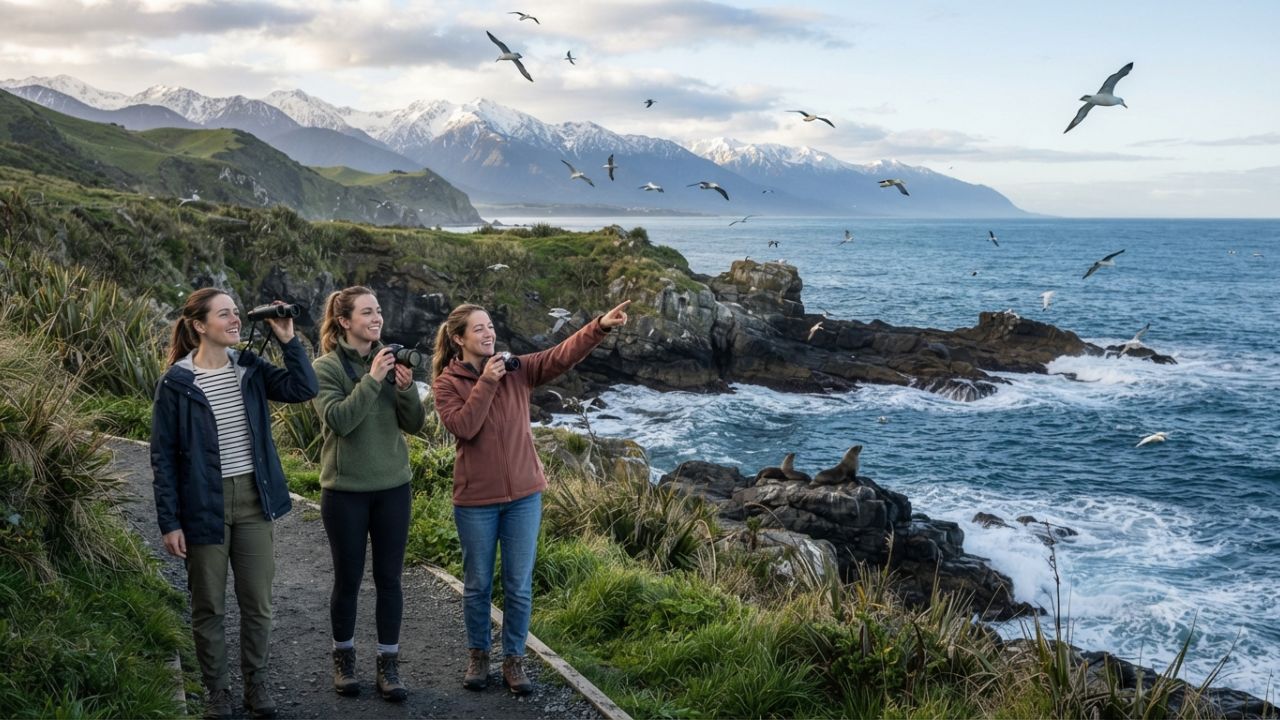
Spring travel across New Zealand's coastal highways highlights returning seabird colonies, seal sanctuaries, and rain-fueled waterfalls.
AUCKLAND, New Zealand — New Zealand is witnessing a shoulder-season coastal travel surge throughout October as spring weather triggers the return of major migratory seabird colonies, wildlife breeding cycles, and swollen rain-fed waterfalls across the North and South Islands. Environmental authorities and regional tourism boards report increased visitor traffic heading to coastal ecosystems including Muriwai, Cape Kidnappers, the Otago Peninsula, Kaikōura, the Catlins, and Fiordland National Park. The Department of Conservation (DOC) is advising travellers to monitor official access updates, maintain strict wildlife safety distances, and plan for variable spring weather conditions.
Key Takeaways: New Zealand October Coastal Travel
- Seabird Migration Season: October marks peak nesting activity for Australasian gannets (tākapu) and Northern Royal Albatrosses returning to mainland breeding grounds.
- Muriwai & Cape Kidnappers: Gannet colonies at Muriwai (Auckland) and Cape Kidnappers (Hawke's Bay) are actively nesting. Note: Cape Kidnappers beach access track is closed due to landslide risks; overland tours are required.
- Otago Peninsula Albatross Sanctuary: Pukekura (Taiaroa Head) offers viewing of mainland Northern Royal Albatrosses as fledglings depart and returning adults prepare for new nesting cycles.
- Fiordland & Catlins Waterfalls: Spring rains inflate waterfalls at Pūrākaunui, McLean (22m), and Lake Marian. Avalanche precautions remain active on Milford Road through late October.
- Kaikōura & Wharariki Wildlife Rules: Visitors must maintain a mandatory 20-meter buffer from seal pups and nesting birds, with no swimming permitted at Wharariki Beach due to dangerous rip currents.
Coastal Wildlife Destinations & Spring Highlights
New Zealand's October spring transition transforms coastal highways into wildlife watching corridors. Official travel guidance from 100% Pure New Zealand and conservation managers at the Department of Conservation (DOC) highlights a network of active coastal breeding colonies:
NEW ZEALAND OCTOBER COASTAL WILDLIFE HIGHLIGHTS
| Entity / Route | Metrics | Operational Status |
|---|---|---|
| Regional Sector | Wildlife & Natural Feature | Access & Conservation |
| Muriwai (Auckland) | Australasian Gannets (tākapu) | Cliffside viewing tracks |
| Cape Kidnappers | Headland Gannet Colony | Overland tour required |
| Otago Peninsula | Northern Royal Albatross sanctuary | Official guide center |
| The Catlins | Pūrākaunui & McLean (22m) Falls | Forest walking tracks |
| Fiordland | Lake Marian & Milford Sound Falls | Check avalanche updates |
| Kaikōura Peninsula | Coastal fur seals & pelagic birds | Public walkway trail |
| Wharariki Beach | Wind-carved sea stacks & seal pups | 20m distance rule |
Regional Destination & Wildlife Experience Matrix
Travellers navigating the coastal routes of the North and South Islands during October can experience varied ecosystems and wildlife viewing guidelines:
| Destination Region | Key Species / Landscape | Peak Nesting / Viewing Window | Essential Safety & Access Rules |
|---|---|---|---|
| Muriwai Beach (Auckland) | Australasian gannet colony (tākapu) | August to March (Peak activity in Oct) | Stay on designated viewing platforms above ocean cliffs |
| Cape Kidnappers (Hawke's Bay) | Thousands of nesting headland gannets | Mid-September to Mid-December | Public beach track closed by DOC due to landslides; use overland 4WD tours |
| Taiaroa Head / Otago Peninsula | Northern Royal Albatross (Pukekura) | October transition (Fledging & adult returns) | Book observatory tours; strictly no unguided access to nesting grounds |
| The Catlins (Otago/Southland) | Pūrākaunui, McLean (22m), & Matai Falls | Spring rain season (October–November) | Short native forest boardwalks; watch wet timber steps |
| Fiordland National Park | Lake Marian Falls, steep mountain cascades | High rainfall spring season | Check avalanche & alpine road alerts on Milford Road before driving |
| Kaikōura Peninsula | New Zealand fur seals, albatrosses, petrels | Year-round coastal seal haul-outs | Use licensed pelagic bird tours; maintain distance from rocky shore seals |
| Wharariki Beach (Golden Bay) | Sea stacks, sand dunes, seal pup pools | Spring seal pup nursery season | Maintain 20m distance from seals; no swimming due to lethal rip currents |
North Island Gannet Colonies: Muriwai & Cape Kidnappers
On Auckland’s rugged west coast, the Muriwai gannet colony provides accessible cliffside views of thousands of breeding Australasian gannets (tākapu). Arriving from offshore oceans between August and March, October is a key period when birds court, build nests, and plunge-dive into the Tasman Sea for food.
Further east in Hawke's Bay, Cape Kidnappers hosts one of the world's largest accessible mainland gannet colonies. However, DOC authorities stress that the historic coastal beach walking track to the Plateau colony remains closed due to severe landslide hazards. Visitors intending to view the colony must book licensed overland tour operators that cross private station lands safely above the cliff face.
Otago Albatross Sanctuary & Catlins Rainforest Waterfalls
On the South Island's east coast, the Otago Peninsula's Pukekura (Taiaroa Head) stands as the world's only mainland breeding sanctuary for the Northern Royal Albatross. October represents a crucial operational phase as juvenile birds prepare to leave the colony for years at sea, while adult pairs return to establish new nesting sites.
Continuing south into The Catlins region, spring rainfall creates dramatic conditions across native podocarp rainforests:
- Pūrākaunui Falls: A multi-tiered cascade surrounded by lush beech forest.
- McLean Falls: A 22-meter waterfall located on the Tautuku River.
- Matai Falls: Accessible via a short, gentle rainforest walk.
Alpine Waterfalls in Fiordland & Coastal Freedom in Kaikōura
In Fiordland National Park, spring rains transform vertical rock faces into rushing cascades along the Milford Road corridor. Lake Marian Falls offers a short, rewarding hike to view torrents of glacial meltwater. However, DOC and NZ Transport Agency (NZTA) warn drivers that alpine spring conditions—including snow, ice, and avalanche hazards—can affect high-altitude passes through late October.
Along the Pacific Coast, the Kaikōura Peninsula Walkway provides accessible views of resting New Zealand fur seals and seabirds against the backdrop of the Kaikōura mountain range. Meanwhile, at Wharariki Beach near Farewell Spit, travellers can observe wind-carved sand dunes and coastal sea stacks. Conservation officers remind visitors that seal pups resting in tidal pools must not be approached or chased, requiring a minimum 20-meter buffer distance.
By combining wildlife observation with spring waterfall touring and adherence to conservation guidelines, travellers can experience New Zealand's coastal environment safely during the October shoulder season.
Frequently Asked Questions (FAQ)
Why is October a prime month for coastal travel in New Zealand?
October marks the arrival of spring, bringing migratory seabirds like gannets and royal albatrosses back to mainland nesting sites, while spring rains fill waterfalls across Fiordland and The Catlins.
Is the beach walk track to Cape Kidnappers gannet colony open?
No. The public DOC beach walking track is closed due to landslide hazards. Visitors must book licensed overland tours to view the colony safely.
Where can I see royal albatrosses in New Zealand?
The only mainland breeding colony is located at Pukekura (Taiaroa Head) on the Otago Peninsula near Dunedin, accessible via guided observatory tours.
What wildlife safety rules apply at Wharariki Beach and Kaikōura?
Visitors must maintain a distance of at least 20 meters from fur seals and seal pups, stay on marked trails, and refrain from swimming at Wharariki Beach due to severe rip currents.
What weather and driving precautions should be taken in Fiordland during October?
Spring weather in Fiordland can change rapidly. Drivers on Milford Road should check DOC and NZTA updates daily for mountain avalanche risks, road closures, and heavy rain warnings.
Related Travel Guides
Disclaimer
This article is for informational and educational purposes only. It does not constitute legal, financial, or professional advice. While we strive to provide accurate and up-to-date information, travel policies, regulations, and conditions change rapidly. Always verify information with official sources before making travel decisions. Nomad Lawyer makes no representations about the accuracy, reliability, completeness, or suitability of the information provided. Readers should consult qualified professionals for advice specific to their circumstances. The views expressed in this article are those of the author and do not necessarily reflect the views of Nomad Lawyer.
Kunal K Choudhary
Co-Founder & Contributor
A passionate traveller and tech enthusiast. Kunal contributes to the vision and growth of Nomad Lawyer, bringing fresh perspectives and driving the community forward.
Learn more about our team →