
IHG Debuts Noted Collection in Japan: Boutique Stays Coming to Tokyo's Shinjuku and Ginza
IHG Hotels & Resorts signs its first two Noted Collection properties in Japan, bringing boutique luxury to Tokyo's Kabukicho in 2027 and Ginza in 2029.

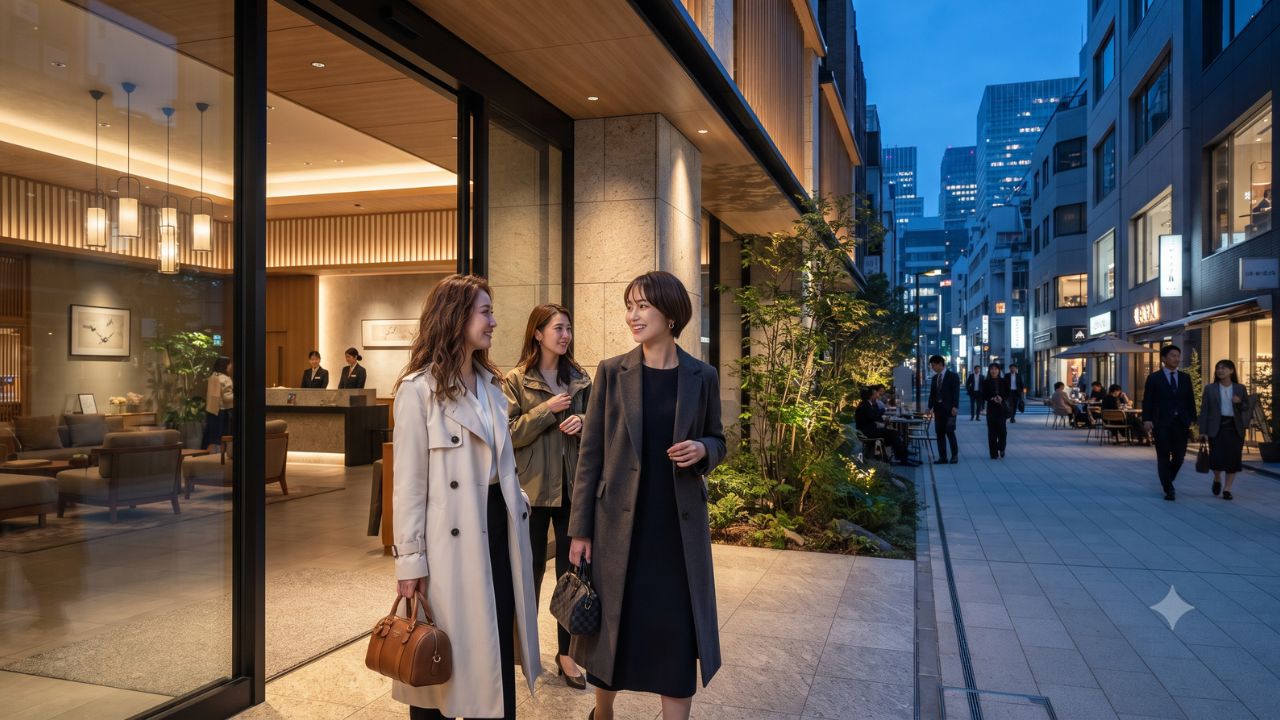
Image generated by AI
While Tokyo contains over one hundred thousand hotel rooms, international travelers increasingly reject cookie-cutter corporate towers in favor of character-driven properties rooted in their immediate neighborhoods. Capitalizing on this demand for neighborhood authenticity, IHG Hotels & Resorts has introduced its 21st global brand, the Noted Collection, to Japan with the signing of two properties across Tokyo's contrasting cultural districts of Shinjuku and Ginza.
Dual-District Expansion: Noted Collection Signs Shinjuku and Ginza Flagships
The dual signings introduce two distinct development approaches to the Tokyo hospitality market, balancing historic neighborhood revitalization with precision new construction:
- Shinjuku Conversion Property (Opening 2027): Developed in partnership with SC Capital Partners through its Japan Hospitality Fund, this 207-room hotel in Kabukicho represents the brand's first adaptive-reuse conversion in Japan. Situated steps from the historic Golden Gai district, the property will undergo complete renovation to create an open-concept lobby, social café, and neighborhood restaurant.
- Ginza New-Build Property (Opening 2029): Created in collaboration with An Consulting, this 81-room boutique hotel will rise in prestigious Ginza 8-chome. Within walking distance of both Ginza Station and Shimbashi Station, the new-construction property will feature family-oriented suites, a craft cocktail bar, a destination restaurant, and wellness fitness facilities.
The expansion broadens IHG's premium footprint in East Asia alongside global portfolio additions like Theobalds Estate in the United Kingdom and Cantonal Hotel Riyadh in Saudi Arabia. Destination information and seasonal festival guides are available through the Japan National Tourism Organization.
What Makes the Shinjuku and Ginza Hotel Concepts Different
The two upcoming properties contrast Tokyo's high-octane nightlife with its historic merchant sophistication:
- Shinjuku Kabukicho: The 207-room hotel immerses guests in the theatrical energy of Tokyo's entertainment capital. Travelers stay moments from the six micro-alleys of Golden Gai, where over 200 tiny bars occupy post-war wooden rowhouses that have hosted artists, writers, and filmmakers since the 1950s.
- Ginza 8-Chome: Located on the southern boundary of Tokyo's luxury fashion boulevard, the 81-room property connects travelers with multi-generational stationery houses, traditional Kabuki theaters, and Michelin-starred sushi counters along quietly preserved backstreets.
- Neighborhood Integration: Rather than isolating guests behind generic security gates, both properties feature street-facing public dining and social lounges designed to attract local residents and creative professionals.
Visitor Insider Tips
- Golden Gai Etiquette: When exploring the miniature bars of Golden Gai near the Shinjuku property, look for English signs indicating welcoming door policies. Most venues seat only 4 to 8 guests and charge a modest seating fee (otōshi) of 500 to 1,000 JPY, which includes a small chef's appetizer. Large groups should divide into pairs to fit inside.
- Transit Navigation: Base your daily explorations on the Tokyo subway network. Travelers can purchase a 24, 48, or 72-hour Tokyo Subway Ticket through Tokyo Metro for unlimited travel across both Tokyo Metro and Toei subway lines.
- Ginza Shopping Hours: On Saturday, Sunday, and national holidays, Ginza's main thoroughfare (Chuo Dori) closes to motorized traffic from noon until evening, creating a peaceful pedestrian promenade (Hokousha Tengoku).
- Discovering Local Tokyo Routes: For curated architectural walks and seasonal neighborhood festivals across Tokyo's 23 special wards, consult the Official Tokyo Travel Guide.
Cultural and Environmental Context
In high-density metropolises like Tokyo, converting existing commercial properties into boutique hotels—as seen in the Shinjuku project—drastically reduces the carbon footprint and construction waste associated with demolition and rebuilds.
Simultaneously, luxury developments in Ginza operate under stringent energy-conservation codes and seismic architectural standards. By embedding locally inspired properties into established neighborhoods, modern hospitality projects support independent neighborhood shops, traditional teahouses, and small craft businesses, ensuring historic urban quarters retain their distinct character.
FAQ: Staying in Tokyo's Shinjuku and Ginza 2026
When will the Noted Collection hotels open in Tokyo?
The 207-room Shinjuku Kabukicho property opens in 2027 following extensive renovation, while the 81-room Ginza 8-chome new-build hotel opens in 2029.
Which metro stations are closest to the new Ginza property?
The Ginza 8-chome hotel is within short walking distance of both Ginza Station (Ginza, Marunouchi, and Hibiya lines) and Shimbashi Station (JR Yamanote and Asakusa lines).
What makes IHG's Noted Collection different from standard hotel chains?
Noted Collection focuses on character-led boutique hotels that celebrate local culture, neighborhood history, and individual design while providing IHG One Rewards loyalty benefits.
Is Shinjuku's Kabukicho safe for international tourists to stay in?
Yes, Kabukicho is heavily patrolled and safe for travelers, though visitors should avoid unregulated street promoters and stick to reputable dining establishments.
Blending historic alleyway character with refined contemporary hospitality, Tokyo's newest boutique stays offer an authentic gateway into the city's rich urban fabric.
Disclaimer
This article is for informational and educational purposes only. It does not constitute legal, financial, or professional advice. While we strive to provide accurate and up-to-date information, travel policies, regulations, and conditions change rapidly. Always verify information with official sources before making travel decisions. Nomad Lawyer makes no representations about the accuracy, reliability, completeness, or suitability of the information provided. Readers should consult qualified professionals for advice specific to their circumstances. The views expressed in this article are those of the author and do not necessarily reflect the views of Nomad Lawyer.
Naina Thakur
Contributor & Travel Specialist
Travel enthusiast and legal writer covering visa regulations, responsible tourism, and cultural journeys across global destinations.
Learn more about our team →