
New Lancaster Tourism Plan Links Visitor Growth With Community Quality of Life
New Lancaster Tourism Plan Links Visitor Growth With Community Quality of Life

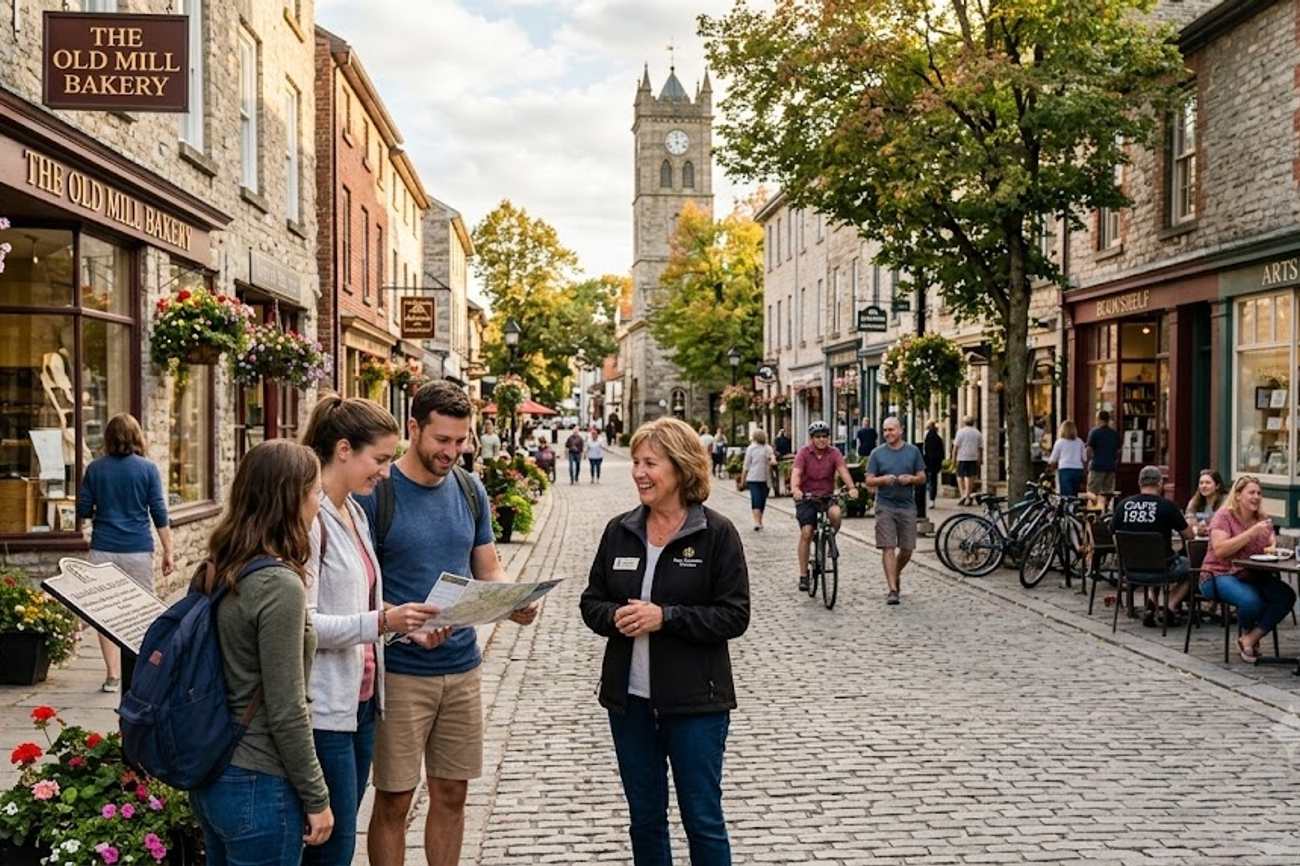
Image generated by AI
[Lancaster, PA, May 2024] — The City of Lancaster has launched its first-ever Tourism Master Plan, a comprehensive 10-year strategic roadmap designed to aggressively scale the visitor economy while shielding the local quality of life in the Pennsylvania Dutch Country.
The initiative, spearheaded by Mayor Jaime Arroyo’s administration via the Department of Neighborhood Engagement, was developed in coordination with the consulting firm Eddy Alexander. The plan moves tourism from a standalone destination effort into the core of the city's wider economic and community planning, aligning directly with the "Our Future Lancaster" comprehensive plan to ensure infrastructure and neighborhood stability keep pace with visitor growth.
The Catalyst for the Master Plan
Lancaster has recognized that haphazard tourism growth can erode the very historic and community characteristics that attract visitors. The city is shifting toward a model of "authentic and sustainable tourism," where economic gains are balanced against community wellbeing. By integrating tourism into the city's broader urban planning, officials aim to prevent the displacement of residents and the degradation of local assets.
The development of this strategy was a massive civic undertaking. Over 3,500 stakeholders—including residents, business owners, and tourists—provided input through live polling, focus groups, interviews, and public workshops. The city specifically implemented targeted outreach to ensure minority communities had a voice in how the visitor economy evolves over the next decade.
Scope of the 10-Year Roadmap
The final strategy consists of 143 specific recommendations. These are not implemented all at once but are tiered across three distinct timelines to allow for sustainable scaling:
- Short-Term Priorities: Immediate actions to be executed within the next 1 to 3 years.
- Mid-Term Objectives: Strategic goals targeted for years 4 through 7.
- Long-Term Initiatives: Visionary projects extending to the full 10-year horizon.
The plan is anchored by seven core pillars:
- Agency Creation: Establishing a formal Destination Marketing Organization (DMO).
- Professionalization: Adopting global industry best practices for destination management.
- Unified Branding: Coordinating marketing to increase global awareness of the city.
- Attraction Development: Partnering with stakeholders to create new visitor offerings.
- Institutional Advocacy: Creating a singular, official voice for Lancaster in state and national tourism circles.
- Asset Protection: Implementing funding and policy models to safeguard the environment and local culture.
- Data-Driven Governance: Using hard research to guide all future tourism investments.
What This Means for Travelers
For those currently booking trips to Pennsylvania or planning future visits, this plan signals a shift in how the city manages the visitor experience. Travelers should expect the following impacts:
More Coordinated Experiences The creation of a dedicated DMO means the "fragmented" feeling of navigating different local attractions will likely vanish. Visitors can expect a more streamlined, professionalized branding experience and better-integrated information regarding the city's food, arts, and history.
New Points of Interest The city is actively seeking new attractions. While specific sites haven't been named, the mandate is to create experiences that fit the "Pennsylvania Dutch" character. This suggests a move toward curated, authentic experiences rather than generic tourist traps.
Potential for Managed Access Because the plan prioritizes "resident quality of life," travelers may see new policies regarding crowd management or environmental protections in sensitive historic areas. The goal is to prevent "overtourism" from ruining the authentic atmosphere of the city.
Improved Infrastructure By linking tourism to the City of Lancaster comprehensive plan, visitors will likely see improvements in public spaces and infrastructure that benefit both the local population and the tourist.
The Role of the New Tourism Agency
The proposed Destination Marketing Organization (DMO) is the engine of this 10-year plan. Rather than acting as a private promoter, the DMO will function as a strategic bridge between the city government and the Pennsylvania Office of Tourism.
The agency will be tasked with promoting the city’s unique intersection of arts, culture, and culinary offerings. More importantly, it will serve as the official advocate for the tourism sector, ensuring that when state or national funding is allocated, Lancaster has a professional institutional voice to secure those resources.
The DMO will also be the primary curator of the city's data. By tracking visitor length of stay and spending patterns, the agency will ensure that the city doesn't just grow in volume (more people), but in value (higher spending per visitor and longer stays).
Measuring Success and Sustainability
Lancaster is rejecting the traditional "more is better" approach to tourism. Success will not be measured solely by headcounts. Instead, the city is implementing a multi-metric dashboard to track performance:
Economic Indicators
- Direct and indirect visitor spending.
- Local sales tax collection totals.
- The issuance of new business licenses.
Community and Quality-of-Life Indicators
- Resident satisfaction surveys (to ensure locals aren't being pushed out).
- Environmental impact assessments.
- Average length of visitor stay (to encourage "slow tourism" over day-tripping).
This data-centric approach allows the city to pivot. If resident satisfaction drops or environmental degradation increases, the city can adjust its marketing or implement new regulations to protect the destination's integrity.
FAQ: Lancaster Tourism Plan 2024
Will this plan make Lancaster more expensive for visitors? The plan focuses on "value" and "sustainable growth" rather than luxury pricing. While new attractions may have costs, the primary goal is economic diversification and infrastructure improvement, not necessarily increasing the cost of entry.
Are there any specific new attractions being built right now? No specific projects were named in the initial roadmap. The city is currently in the "identification phase," working with local stakeholders to find opportunities that align with the city's historic character.
How does this plan affect local residents? The plan explicitly integrates tourism into neighborhood planning. It aims to ensure that tourism revenue funds city improvements and that visitor growth does not compromise the daily lives or housing stability of Lancaster residents.
Who is managing the new Tourism Agency (DMO)? The agency will be a central element of the city's strategy, working in tandem with the Pennsylvania Department of Community and Economic Development and other regional partners to ensure a coordinated approach.
Lancaster is betting that by planning for the resident, they can create a more authentic experience for the traveler.
Tags: LancasterPA, PennsylvaniaDutchCountry, TourismMasterPlan2024, DestinationMarketingOrganization, VisitPA, UrbanTourismPlanning
Related Travel Guides
- Ottawa Joins Outaouais and Other Regions in Skyrocketing Canada Tourism With a Surge in Tourist Arrivals During the Third Quarter of 2026
- Kenya, Morocco, Tanzania, and Tunisia Fuel Africa Tourism Expansion as 58% of Industry Experts Forecast Strong Growth in 2026
- Canada Joins Chile, Peru, and Mexico as 2026 Americas Tourism Outlook Reveals Divergent Inbound Growth and Shifting Travel Flows
Disclaimer
This article is for informational and educational purposes only. It does not constitute legal, financial, or professional advice. While we strive to provide accurate and up-to-date information, travel policies, regulations, and conditions change rapidly. Always verify information with official sources before making travel decisions. Nomad Lawyer makes no representations about the accuracy, reliability, completeness, or suitability of the information provided. Readers should consult qualified professionals for advice specific to their circumstances. The views expressed in this article are those of the author and do not necessarily reflect the views of Nomad Lawyer.
Raushan Kumar
Founder & Lead Developer
Full-stack developer with 11+ years of experience and a passionate traveller. Raushan built Nomad Lawyer from the ground up with a vision to create the best travel and law experience on the web.
Learn more about our team →