
Nevada Cosmos in the Desert Stargazing Festival Returns to Lahontan
Cosmos in the Desert 2026 returns to Lahontan State Recreation Area on August 14 and 15, offering stargazing under Nevada's dark skies.
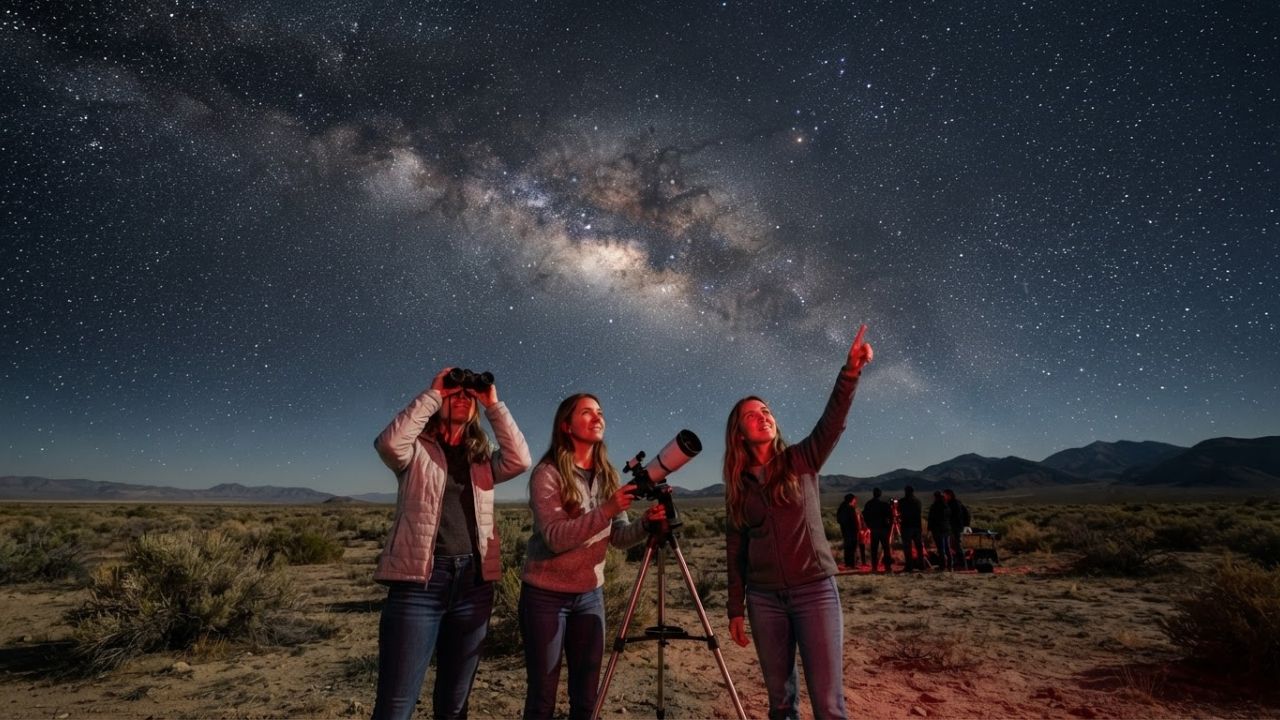
Image generated by AI
Expanding to a two-night format following its inaugural success, the Cosmos in the Desert stargazing festival returns to Nevada's Lahontan State Recreation Area on August 14 and 15, 2026.
The Core Transit Update
Regional park roads and desert transit routes in northern Nevada are preparing for seasonal stargazing traffic. Nevada State Parks has officially confirmed the return of Cosmos in the Desert on Beach 3 at Lahontan State Recreation Area near Fallon (Churchill County).
The dark-sky event will run from 8:00 pm to 11:00 pm on both Friday, August 14, and Saturday, August 15, 2026. The expanded festival introduces astronomy presentations, guided telescope viewings, night-sky interpretation, and on-site food trucks. The timing coincides with the 2026 Perseid meteor shower season (spanning July 17 to August 24), offering travelers optimal viewing conditions for planets, constellations, and deep-space objects like the Andromeda Galaxy.
Dark-Sky Events & Nevada Astronomy Zones
Planning an evening stargazing trip in the Nevada desert requires checking park vehicle fees and tracking regional light pollution indices. The following tables outline the Cosmos in the Desert event parameters and detail alternative dark-sky zones.
| Dark-Sky Event Parameter | Stated Schedule Details (2026) | Primary Location / Beach Hub | Stated Admission / Vehicle Costs |
|---|---|---|---|
| Cosmos in the Desert | August 14 and 15, 2026 (8–11 pm) | Beach 3, Lahontan State Recreation Area | $5 per NV vehicle; $10 out-of-state |
| Inaugural Dark-Sky Event | August 16, 2025 (Reference) | Beach 3, Lahontan (approx. 300 visitors) | Included in park entry fees |
| Perseid Meteor Season | July 17 to August 24, 2026 | Upland desert and park wide horizons | General stargazing entry conditions |
Cosmos in the Desert dark-sky event parameters.
| Dark-Sky Stargazing Zone | Geographical Coordinates / Location | Astronomical Visibility / Features |
|---|---|---|
| Lahontan State Recreation Area | Beach 3 near Fallon (Churchill County) | Low light pollution; wide beach horizons |
| Massacre Rim Sanctuary | Remote Northern Nevada region | Dark Sky Sanctuary designation; zero glow |
| Great Basin National Park | Eastern Nevada | High elevation; planetary and nebula visibility |
| Tonopah Star Park | Central Nevada | Stargazing tables and dark sky viewing areas |
Nevada dark-sky tourism destinations.
Traveler Logistics Guide
From a ground-level perspective, the best way to navigate this is to arrive at the Lahontan park gates before 7:30 pm to secure parking near the Beach 3 access roads, as the dark-sky program begins promptly at 8:00 pm when natural light fades. Checking seasonal fire restrictions is recommended.
To plan your stargazing experience:
- Allow Safe Transit Windows: The drive from Reno to Fallon takes approximately one hour. Allow an extra 30 minutes to navigate park roads and set up your viewing equipment before sunset.
- Observe Light Etiquette: Use only red-light flashlights (or convert standard flashlights at check-in) inside the stargazing zones to protect your night vision and avoid disrupting other observers.
- Prepare for Desert Temperatures: Upland desert temperatures can drop rapidly after sunset. Pack layers, windbreakers, and sturdy outdoor chairs for the three-hour program.
- Monitor Seasonal Park Rules: Lahontan State Recreation Area enforces strict seasonal fire bans. Check Nevada State Parks updates regarding campfire rules and beach access before departure.
Infrastructure Impact Assessment
The implementation of targeted light-pollution restrictions and the preservation of natural darkness protect northern Nevada's fragile desert ecosystems from habitat fragmentation.
By directing traveler demand to rural state recreation areas (funded by the $5 instate and $10 out-of-state vehicle entry fees), the stargazing initiative supports local vendors, reduces environmental pressure on municipal hubs, and ensures that Nevada's natural darkness remains a protected resource.
Related Travel Guides
Eleven US Cities Feature in World's Top 50 Nightlife Destinations
Shravani Mela 2026 Deoghar Travel Tips and Logistics Guide
10 Best Travel Tips for Stargazing in Nevada, Booking Campsites at Lahontan State Recreation Area, and Viewing the Perseid Meteor Shower, According to Reddit
Disclaimer
This article is for informational and educational purposes only. It does not constitute legal, financial, or professional advice. While we strive to provide accurate and up-to-date information, travel policies, regulations, and conditions change rapidly. Always verify information with official sources before making travel decisions. Nomad Lawyer makes no representations about the accuracy, reliability, completeness, or suitability of the information provided. Readers should consult qualified professionals for advice specific to their circumstances. The views expressed in this article are those of the author and do not necessarily reflect the views of Nomad Lawyer.