
Netherlands Backs Wuunder's GreenChoice Platform to Clean Up Urban Congestion, Advancing Sustainable Logistics in Europe for Cleaner Tourism Environments: New Travel Alert
Netherlands invests in Wuunder's GreenChoice to cut delivery congestion and emissions, promoting sustainable logistics in Europe. Read research details.

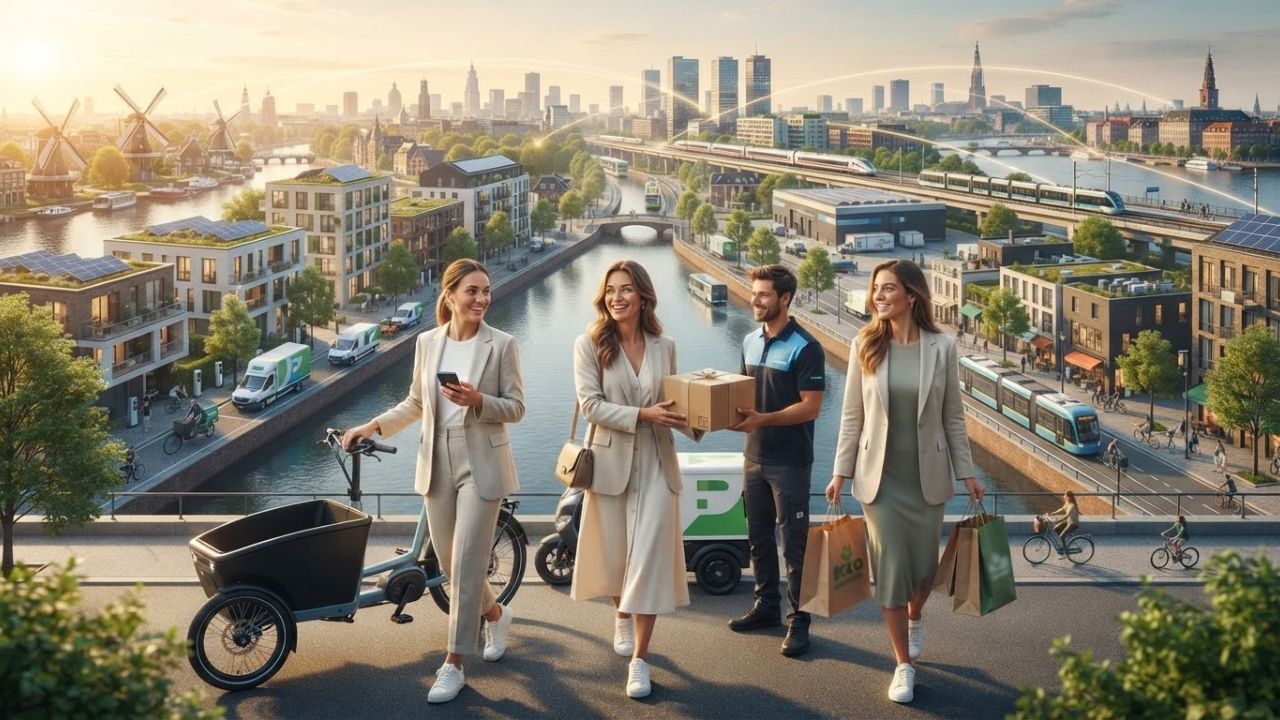
Image generated by AI
Published on July 22, 2026
The Netherlands is accelerating its transition to greener transport networks through a strategic investment in Wuunder’s GreenChoice platform, a Software-as-a-Service solution aiming to establish sustainable logistics in Europe. Supported by Perspectieffonds Gelderland and managed by Oost NL, this digital expansion aims to reduce traffic congestion and transport emissions by matching parcel delivery dates with existing carrier schedules. Holidaymakers, local hospitality operators, and urban planners across Germany, Belgium, France, and Denmark are set to benefit from cleaner streets, improved air quality, and more efficient supply chains.
Quick Summary
- Strategic Investment: The Netherlands' Perspectieffonds Gelderland, managed by Ontwikkelingsmaatschappij Oost-Nederland (Oost NL), is funding logistics tech company Wuunder to scale its GreenChoice platform.
- Smart Scheduling Technology: GreenChoice allows e-commerce shoppers to select delivery dates that align with pre-existing carrier routes, avoiding extra vehicle dispatches.
- Proven Environmental Benefits: University of Groningen research indicates the platform can reduce a major carrier's delivery van fleet by over 20% (approx. 1,750 vans) and cut supply-chain CO₂ emissions by roughly 7.5%.
- Positive Tourism Impact: Optimizing deliveries reduces traffic in high-density visitor districts, creating quieter, safer, and cleaner streets for pedestrians, cyclists, and tourists.
- European Alliance: The initiative aligns with green transport policies across Belgium, Germany, France, and Denmark, fostering a unified approach to eco-friendly urban mobility.
This green logistics initiative emerges as European tourism hubs face a double-edged sword: a post-pandemic surge in travel and a concurrent rise in e-commerce parcel deliveries that clog historical city centers. To balance economic vitality with strict municipal climate targets, the Dutch regional development agency Oost NL has authorized financing from Perspectieffonds Gelderland. This proactive digital funding aims to mitigate the environmental footprints of last-mile parcel deliveries, directly supporting the tourist experience and local commercial networks.
Event and Incident Details: Investing in Sustainable Logistics in Europe
The core of this development is the financial backing of Wuunder, a Software-as-a-Service (SaaS) logistics platform developer, by Perspectieffonds Gelderland. This regional investment fund is administered by Ontwikkelingsmaatschappij Oost-Nederland (Oost NL), a key public body promoting economic expansion in the eastern Netherlands. The capital is designated for expanding the GreenChoice delivery scheduling solution, which empowers consumers and online merchants to coordinate shipments more intelligently.
The table below details the essential facts surrounding this sustainable logistics project:
| Key Information | Details |
|---|---|
| Origin Country | Netherlands |
| Investment Backer | Perspectieffonds Gelderland via Ontwikkelingsmaatschappij Oost-Nederland (Oost NL) |
| Recipient Company | Wuunder |
| Core Technology | GreenChoice (SaaS delivery scheduling platform) |
| Primary Goal | Streamlining parcel delivery routes and schedules |
| Key Benefits | Fewer delivery vehicles, reduced traffic congestion, and lower emissions |
By integrating this scheduling solution, the system matches a consumer's preferred delivery date with an existing carrier route. This prevents logistics companies from running empty or half-empty vans on redundant trips, maximizing carrier resource efficiency without requiring new physical infrastructure.
Risk and Impact: Countering Congestion and Supply-Chain Vulnerabilities
Unoptimized parcel logistics present several operational risks and environmental threats to European city centers, local businesses, and visitor mobility. Traditional delivery structures often require dispatching additional vehicles to meet demand for rapid shipping, resulting in several key issues:
- Severe Traffic Congestion: Delivery vans frequently compete for space with pedestrians, public transit, and cyclists, creating gridlock in historical urban tourism districts.
- Elevated Carbon Emissions: Redundant transport routes and peak-hour dispatches increase carbon dioxide emissions, degrading local air quality and visitor experiences.
- Pedestrian Safety Risks: High delivery traffic densities raise safety concerns for visitors and locals navigating narrow historic streets.
- Increased Operational Expenses: Dispatching extra vehicles for non-consolidated runs drives up shipping costs and administrative overhead for logistics providers.
- Supply-Chain Delays: Inefficient route coordination can lead to unreliable delivery times for critical local hospitality suppliers.
What Authorities Are Saying: Encouraging Digital Innovations to Combat Climate Change
Dutch regional authorities and development planners assert that achieving ambitious climate goals requires looking beyond traditional transport upgrades to embrace scalable digital solutions. Regulators point out that GreenChoice is a practical example of utilizing software to achieve immediate environmental gains. According to the Ontwikkelingsmaatschappij Oost-Nederland (Oost NL) official site, supporting digital tools that optimize existing transport resources is key to fostering a resilient and sustainable economy.
Furthermore, academics support these policy statements with hard empirical data. Research led by the University of Groningen reveals that implementing the GreenChoice scheduling platform has major environmental benefits. The study estimates that if a large carrier adopts the system, it could remove approximately 1,750 delivery vans from the road, a reduction of more than 20 percent. Additionally, the research forecasts a 7.5 percent reduction in total supply-chain carbon dioxide (CO₂) emissions, primarily achieved by avoiding peak deliveries and improving route optimization. According to research published by the University of Groningen, smarter logistics systems can drive massive reductions in delivery density.
Why Sustainable Logistics in Europe Matters for the Travel Sector
Modern tourism destinations are heavily dependent on quiet, clean, and safe urban areas to maintain their visitor appeal. Cities that invest in green infrastructure—such as the Netherlands' extensive network of cycling paths, electric public transport, and clean mobility zones—must address last-mile logistics to sustain their environmental quality. Delivering goods to hotels, attractions, and restaurants requires thousands of trips daily, and optimizing these networks is critical.
This investment occurs as other European nations advance their own green initiatives. In Germany, authorities are modernizing freight transport through digital systems and low-emission vehicle technologies. Belgium is optimizing urban logistics to reduce congestion in historical city centers. France is enforcing environmental transport policies, and Denmark is integrating logistics improvements with its national climate objectives. This Dutch initiative aligns naturally with these wider continental programs, establishing a cooperative model for sustainable transportation.
Practical Traveler Advice: Aligning with Sustainable Logistics in Europe
To help reduce traffic and support cleaner destinations, travelers, hotels, and local businesses can follow these practical guidelines:
- Choose Flexible Delivery Windows: E-commerce shoppers should opt for delivery dates that align with existing carrier schedules rather than demanding next-day service.
- Consolidate Hospitality Shipments: Restaurants, hotels, and attractions should bundle their orders to minimize the number of delivery dispatches per week.
- Coordinate Guest Deliveries Early: Visitors shipping luggage or personal packages to their hotels should coordinate with front desks and logistics systems well before arrival.
- Leverage Pick-Up Points: Travelers can select local parcel lockers or neighborhood pick-up points to consolidate transit routes and lower delivery vehicle trips.
- Support Eco-Conscious Retailers: Support online retailers that use sustainable logistics in Europe to manage their e-commerce fulfillment networks.
Looking Ahead: The Digital Future of European Delivery Networks
As e-commerce volume continues to grow across Europe, digital software solutions like Wuunder’s platform will play a vital role in balancing customer convenience with environmental goals. Regulators and private investors are expected to closely monitor GreenChoice's adoption rates and carbon-reduction performance in the Netherlands. If successful, Wuunder's platform may serve as a blueprint for similar expansions in neighboring countries like Germany, Belgium, France, and Denmark.
In the coming years, we can expect greater integration of artificial intelligence, cloud-based logistics management, and predictive analytics across the supply chain. These technologies will help operators automate scheduling and optimize routes without requiring costly physical infrastructure upgrades. For travelers, this shift promises cleaner air, quieter streets, and a more pleasant destination experience in Europe's most popular cities.
Conclusion: Emphasizing Preparedness and Vigilance
In conclusion, the expansion of Wuunder's scheduling technology represents a critical milestone in establishing sustainable, clean transport grids across Europe. By participating in these green logistics networks, e-commerce shoppers, hospitality businesses, and transport operators can actively reduce urban congestion. Emphasizing preparedness and digital cooperation remains essential for safeguarding our destinations and driving sustainable tourism forward.
Frequently Asked Questions: Sustainable Logistics in Europe
What is the Gelderland-backed investment in Wuunder?
The Perspectieffonds Gelderland, managed by Oost NL, has invested in logistics technology company Wuunder to scale its GreenChoice delivery scheduling platform across the Netherlands and Europe.
How does the GreenChoice platform help reduce traffic emissions?
GreenChoice allows shoppers to select parcel delivery dates that align with existing carrier routes, avoiding extra vehicle trips and reducing congestion and supply-chain emissions.
What did the University of Groningen research discover about GreenChoice?
Research indicates that GreenChoice could reduce a major logistics carrier's delivery van fleet by more than 20 percent (approximately 1,750 vans) and cut supply-chain CO₂ emissions by roughly 7.5 percent.
Why do green logistics networks matter for the travel and hospitality sectors?
Quieter streets, cleaner air, and reduced congestion improve the visitor experience, while optimized route scheduling ensures reliable deliveries to hotels, restaurants, and attractions.
Related Travel Guides
- Netherlands Announces Five-Week N379 Road Closure Near Nieuw-Weerdinge to Improve Traffic Safety, Impacting Drenthe Regional Commuters: New Travel Alert
- Thailand Partners with Japan, South Korea, Singapore, and Philippines to Capitalize on Booming Marathon Tourism in Asia, Inspiring Cross-Border Run-Cations: New Travel Alert
- Ireland Tourism Arrivals Shatter Historic Records in 2026 as Transatlantic and European Flight Corridors Fuel a Nationwide Travel Boom: New Travel Alert
Disclaimer
This article is for informational and educational purposes only. It does not constitute legal, financial, or professional advice. While we strive to provide accurate and up-to-date information, travel policies, regulations, and conditions change rapidly. Always verify information with official sources before making travel decisions. Nomad Lawyer makes no representations about the accuracy, reliability, completeness, or suitability of the information provided. Readers should consult qualified professionals for advice specific to their circumstances. The views expressed in this article are those of the author and do not necessarily reflect the views of Nomad Lawyer.
Kunal K Choudhary
Co-Founder & Contributor
A passionate traveller and tech enthusiast. Kunal contributes to the vision and growth of Nomad Lawyer, bringing fresh perspectives and driving the community forward.
Learn more about our team →