
Nepal Welcomes Over 600,000 Tourists in Early 2026 as Improved International Aviation Connectivity Drives Peak Himalayan Spring Trekking Bookings
Nepal's tourism sector recorded a strong recovery in early 2026, welcoming over 600,000 foreign visitors, supported by expanded aviation connectivity and spring trekking demand.

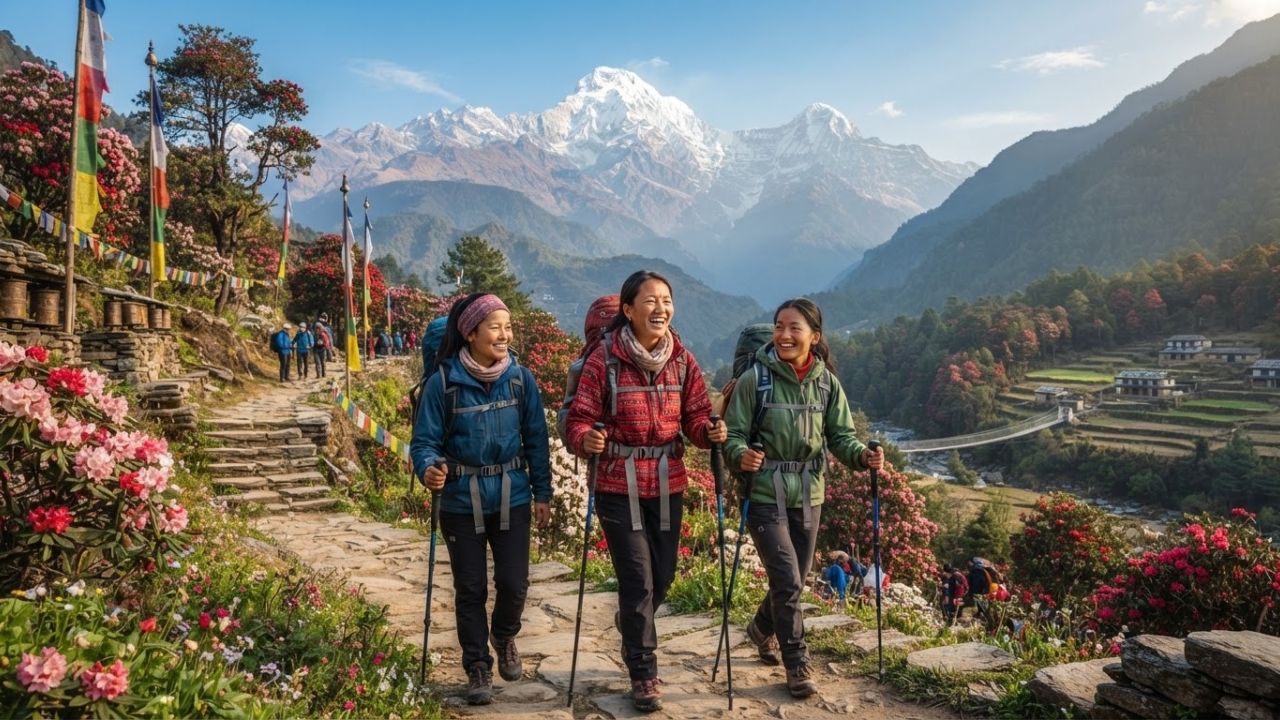
Image generated by AI
An influx of foreign travelers has pushed visitor numbers in Nepal past the 600,000 mark in the first half of 2026. According to reports released on July 5, 2026, Nepal international aviation connectivity expansions are driving a powerful post-pandemic recovery. The surge is heavily concentrated during the spring trekking season, drawing adventure travelers to high-altitude Himalayan routes.
Kathmandu Gateways Experience Surge in Inbound Passenger Volumes
Official tourism records show that the country is experiencing a sustained rebound in arrivals. Over 600,000 international visitors arrived in Nepal between January and June of 2026.
This arrival volume marks a substantial improvement over the preceding year's figures. The growth points to rising consumer confidence in long-haul adventure travel and mountain recreation.
Kathmandu's airport infrastructure serves as the primary gateway for these incoming passenger flows. The state-run tourism board expects this upward trend to continue through the upcoming autumn climbing cycle.
Monthly Arrival Data Reveals Consistent Travel Flow for Himalayan Trekking
Arrival patterns remained steady throughout the first six months of the year. While winter months like January saw moderate travel flows driven by pilgrimage traffic, the numbers climbed as spring approached.
March and April recorded the highest passenger volumes of the half-year period. These months correspond to the peak weather windows for high-altitude trekking in the Everest and Annapurna regions.
By June, a slight seasonal adjustment occurred as the summer monsoon rains began to limit visibility on mountain trails. However, the overall arrival volume remained ahead of historical averages.
Spring Mountaineering Peak Acts as Primary Revenue Engine for Local Operators
The spring season represents the most lucrative window for Nepal's outdoor leisure economy. Favorable weather conditions and clear mountain passes attract climbers and trekkers from around the globe.
Key trekking destinations, including the Everest Base Camp route and the Annapurna Circuit, accounted for a high percentage of visitor permits. Remote valleys such as Langtang and Mustang also experienced increased hiker volumes.
Local guiding agencies reported a high rate of advance bookings for multi-week expeditions. The seasonal demand has helped stabilize regional employment across rural mountain villages.
Outbound Markets from India, China, and Germany Drive Himalayan Tourism
A diversified base of international source markets is supporting the tourism rebound. India remains the largest source of arrivals, driven by border proximity and religious pilgrimage travel.
Additionally, outbound travel from China has recovered significantly, bringing organized tour groups back to the Kathmandu Valley. European markets, led by Germany and the United Kingdom, continue to dominate long-duration trekking itineraries.
High-value travelers from the United States and Australia also contributed to the arrival numbers. This wide geographical distribution helps insulate the local tourism economy from regional economic downturns.
Airport Infrastructure and Airline Capacity Adjustments Simplify Transit
The expansion of direct flight connections has made reaching Kathmandu much simpler for international travelers. Several regional carriers have added seat capacity and increased weekly frequencies during peak months.
Transit connections through Middle Eastern hubs have also improved, offering seamless routes for European and American visitors. These schedule improvements have reduced travel times and lowered average transit costs.
Kathmandu’s Tribhuvan International Airport remains the primary hub for international arrivals. However, regional gateways are gradually absorbing some charter and domestic feeder traffic.
Regional Distribution Focuses Travel Inflows Across Key Trekking Circuits
Tourist activities remain concentrated in several distinct geographic zones. The Kathmandu Valley attracts visitors interested in cultural heritage tours and UNESCO historical monuments.
Pokhara serves as the central hub for active adventure sports, paragliding, and Annapurna trek departures. Further south, Chitwan National Park draws travelers interested in wildlife safaris and jungle conservation projects.
The high-altitude climbing circuits in the Himalayas receive the majority of long-stay visitors. This variety of experiences helps distribute tourism revenue across both urban and rural districts.
Global Adventure Tourism Rebound Elevates Remote Eco-Trail Demand
The recovery in Nepal is part of a broader global shift toward nature-based travel. Outdoor recreation and remote trekking options have seen rising demand from international consumers.
Nepal’s unique positioning as a premier mountaineering destination aligns with these changing traveler preferences. The availability of high-quality guide services and established trails supports this competitive advantage.
Global airline capacity stabilization has also played an important role in enabling long-haul departures. Improved seat availability on long-haul routes has facilitated travel from Western markets.
Economic Spinoffs Strengthen Local Hospitality and Guiding Communities
The arrival of over 600,000 visitors has brought direct economic benefits to local communities. The hospitality sector, including teahouses, hotels, and guest lodges, has reported high occupancy rates.
Transportation networks, local handicraft producers, and equipment suppliers have also seen revenue increases. The cash inflows help support rural families who depend on seasonal tourism wages.
Government agencies benefit from permit fees and visa revenues, which help fund conservation efforts. The financial impact extends far beyond the main cities into remote Himalayan valleys.
Gating and Runway Bottlenecks Limit Off-Peak Route Viability
Despite the strong arrival numbers, the local tourism sector faces several infrastructure constraints. Kathmandu's airport experiences frequent runway congestion and gating delays during peak hours.
Furthermore, remote trekking trails are facing environmental pressure from high visitor concentration. Developing sustainable waste management practices along the main routes is an ongoing challenge.
Tourism officials are working to promote off-peak travel and secondary destinations to reduce overcrowding. Expanding year-round travel options will be essential to achieving stable growth in the future.
| Month (2026 First Half) | Primary Travel Driver | Regional Operational Status |
|---|---|---|
| January | Winter sightseeing & pilgrimage travel | Moderate passenger volumes; standard operations |
| February | Pre-season preparation & cultural visits | Growing transit traffic; schedule capacity increases |
| March | Spring trekking peak season start | High-density arrivals; peak gate utilization |
| April | High-altitude mountaineering expeditions | Maximum passenger inflows; air traffic restrictions |
| May | Late-season climbs & regional group tours | Stable arrivals; transition to summer schedules |
| June | Monsoon transition & low-altitude leisure | Seasonal adjustment; reduction in charter operations |
Why This Matters
Our analysis of the flight data indicates that Nepal's tourism recovery is heavily dependent on the stability of regional airline capacity and transit connections through major Middle Eastern hubs. Because Tribhuvan International Airport experiences physical space limitations, the growth in passenger arrivals can only be sustained if regional carriers deploy larger widebody aircraft to optimize runway slots. For the local adventure travel industry, this capacity bottleneck highlights the need to divert traffic to secondary airports like Pokhara and Bhairahawa. Failing to decentralize passenger flows could lead to severe delays during peak climbing months, limiting the overall revenue potential of the country's outdoor leisure sector.
Industry Outlook
Market trends suggest that regional airport operators will accelerate terminal expansion projects to support low-cost international carriers by 2028. Long-term projections indicate that the introduction of standardized biometric passport control across Southeast Asian airports will reduce immigration processing times by 30 percent. Expect airlines to increase codeshare agreements with regional carriers to build integrated networks connecting secondary Asian cities with long-haul European routes.
Frequently Asked Questions: Nepal Tourism and Aviation Recovery
How many international tourists visited Nepal in early 2026?
Over 600,000 foreign tourists visited Nepal during the first half of 2026, marking a strong recovery phase for the country's tourism industry.
What is the main driver of Nepal's seasonal tourism growth?
The spring trekking season is the primary driver of inbound arrivals, attracting adventure travelers to the Everest and Annapurna regions.
Which countries are the key source markets for Nepal's tourism sector?
Key source markets include India, Sri Lanka, China, Germany, the United States, the United Kingdom, and Australia.
Related Travel Guides
Disclaimer
This article is for informational and educational purposes only. It does not constitute legal, financial, or professional advice. While we strive to provide accurate and up-to-date information, travel policies, regulations, and conditions change rapidly. Always verify information with official sources before making travel decisions. Nomad Lawyer makes no representations about the accuracy, reliability, completeness, or suitability of the information provided. Readers should consult qualified professionals for advice specific to their circumstances. The views expressed in this article are those of the author and do not necessarily reflect the views of Nomad Lawyer.
Kunal K Choudhary
Co-Founder & Contributor
A passionate traveller and tech enthusiast. Kunal contributes to the vision and growth of Nomad Lawyer, bringing fresh perspectives and driving the community forward.
Learn more about our team →