
National Washington Between Portland and Mount Rainier: Hidden Volcanic Lake Discovery 2026
A stunning volcanic crater lake positioned between Portland and Mount Rainier National Park is attracting adventure travelers in 2026 with accessible hiking trails and breathtaking Pacific Northwest vistas for all skill levels.

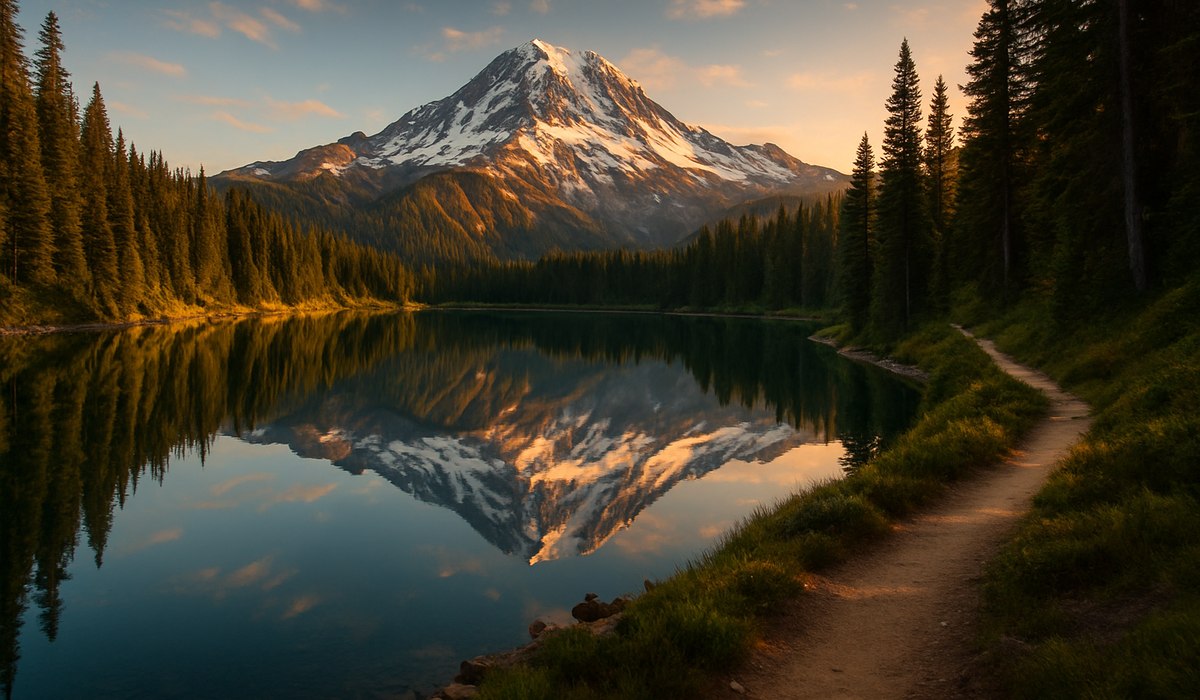
Image generated by AI
Adventure Travelers Flock to Washington's Volcanic Hidden Gem
A remarkable volcanic crater lake nestled between Portland and Mount Rainier National Park is emerging as a premier destination for Pacific Northwest explorers in 2026. This geological wonder, formed by ancient volcanic activity, offers travelers accessible trails, panoramic vistas, and a rare opportunity to experience the raw beauty of the Cascade Range without crowds. The destination is gaining momentum among both casual hikers and serious adventurers seeking authentic outdoor experiences between two iconic regional landmarks.
The Volcanic Origins of Washington's Hidden Lake
Washington's volcanic landscape tells a dramatic geological story spanning millions of years. The crater lake sits within a region shaped by repeated volcanic eruptions, creating the distinctive topography that defines the national washington between Portland and Mount Rainier corridor. Glacial activity during the last ice age further carved this terrain, leaving behind crystalline alpine waters and steep rocky walls that plunge hundreds of feet beneath the surface.
The lake's formation represents a textbook example of volcanic crater development. As magma chambers emptied following eruptions, overlying rock collapsed inward, creating a depression that accumulated snowmelt and precipitation over centuries. Today, the result is a pristine body of water surrounded by subalpine meadows and ancient conifer forests. Geologists and nature enthusiasts continually study this site through the Washington State Geological Survey for insights into Cascade Range volcanism and regional climate patterns.
Best Hiking Trails and Accessibility
Multiple well-maintained trails loop around and access the volcanic lake, accommodating various fitness levels and time commitments. The lower loop trail extends approximately 2.3 miles with minimal elevation gain, making it ideal for families and casual hikers. This route hugs the shoreline, offering frequent photo opportunities and wildlife viewing spots where visitors commonly encounter mountain goats, marmots, and alpine birds.
The upper ridge trail presents a more challenging 5.6-mile option with 1,200 feet of elevation gain. Experienced hikers appreciate this path for its sweeping perspectives across national washington between the Portland metro region and Mount Rainier's snow-capped summit. The trail traverses subalpine meadows bursting with wildflowers from July through September, creating a photographer's paradise.
Accessibility features distinguish this destination from many Pacific Northwest locations. The visitor center includes wheelchair-accessible restrooms, and the lower loop features designated accessible viewing platforms with interpretive signage explaining the volcanic geology and ecological systems. According to TripAdvisor, visitors consistently praise the thoughtful trail design that doesn't sacrifice scenery for accessibility.
Best Time to Visit
The optimal window for visiting this volcanic lake destination extends from mid-June through late September. Snow typically blankets higher elevations until early July, while summer temperatures at the lake—usually 50-65°F—provide comfortable hiking conditions. This timeframe coincides with peak wildflower displays and reliable weather patterns that minimize unexpected closures.
August represents the busiest month, though the destination remains significantly less crowded than Mount Rainier National Park or popular Portland-area trails. September offers an excellent alternative, with crisp morning air, diminished crowds, and larches transitioning to golden hues. Winter access is limited; the primary access road closes from November through May due to heavy snowfall. Spring snowmelt creates dangerous trail conditions and swollen creek crossings through early June.
How to Get There
The volcanic lake sits approximately 110 miles northeast of Portland and 60 miles southwest of Mount Rainier's Nisqually entrance. From Portland, take Interstate 5 north toward Seattle for approximately 40 miles, then exit onto Highway 12 heading east. Continue through the small communities of Randle and Morton, following clearly marked Forest Service signs. The final 18 miles traverse a winding mountain road suitable for standard vehicles, with parking available at the primary trailhead and a secondary lot near the visitor center.
From Mount Rainier National Park, drive southwest on State Route 706 toward Elbe, connecting to Highway 12 westbound. This 90-minute drive offers an excellent option for travelers combining multiple Cascade Range destinations. Public transportation between Portland and the lake remains limited; most visitors rely on personal vehicles or rental cars. The nearest significant town, Morton, offers basic services, fuel, and lodging options 25 minutes south of the lake.
Key Facts and Visitor Information
| Feature | Details |
|---|---|
| Elevation | 3,847 feet above sea level |
| Lake Surface Area | 198 acres |
| Maximum Depth | 287 feet |
| Distance from Portland | Approximately 110 miles northeast |
| Distance from Mount Rainier | Approximately 60 miles southwest |
| Primary Access Road | State Route 12 and Forest Service 21 |
| Best Hiking Months | June through September |
| Lower Loop Trail Distance | 2.3 miles round trip |
| Upper Ridge Trail Distance | 5.6 miles round trip |
| Average Summer Temperature | 50-65°F |
| Parking Capacity | 120+ vehicles across two lots |
| Visitor Center Hours | 9 AM–5 PM daily (seasonal) |
What This Means for Travelers
This volcanic crater lake between Portland and Mount Rainier presents genuine advantages for various traveler profiles:
-
Strategic Geographic Positioning: The location sits perfectly midway for road-trippers combining Pacific Northwest destinations, reducing driving distances between Portland and Mount Rainier National Park.
-
Accessibility Innovation: Unlike many alpine destinations, this site demonstrates that wilderness experiences needn't exclude visitors with mobility considerations or families with young children.
-
Reduced Crowds, Maximum Scenery: The lake offers comparable geological drama to famous Crater Lake in Oregon, yet attracts a fraction of the visitors, ensuring more intimate nature encounters.
-
Diverse Trail Options: Whether planning a two-hour family outing or an all-day alpine adventure, visitors find appropriate options without needing multiple destinations.
-
Photography and Nature Study: The volcanic geology, subalpine ecology, and seasonal wildflower displays create exceptional opportunities for serious photographers and amateur naturalists.
Frequently Asked Questions
What type of volcanic activity created this lake?
The crater formed from caldera collapse following a major eruption approximately 2.8 million years ago. Subsequent smaller eruptions and extensive glaciation shaped the modern landscape. The lake itself accumulated in the resulting crater depression over thousands of years.
Are there facilities at the lake destination?
Yes, the visitor center offers restrooms, drinking water, and interpretive displays about the volcanic geology and ecosystem. A gift shop and basic snack service operate during peak season. Lodging and full services are available in nearby Morton, Washington.
Can dogs accompany visitors on the trails?
Dogs are permitted on all trails but must remain on-leash within 100 feet of the lake shoreline to protect wildlife and other visitors. Dog waste stations are located at both trailheads.
Is fishing allowed in the volcanic crater lake?
The Washington Department of Fish and Wildlife permits catch-and-release fishing from July 1 through September 30. Anglers require standard state fishing licenses. The lake contains native cutthroat trout species.
Related Travel Guides
- Delays snarl flights at Washington Dulles as 106 services disrupted
- American Airlines Launches Massive Summer 2026 Europe Routes from Philadelphia and Dallas Mitigating Flight Cancellations, Airport Disruptions, and Transatlantic Travel Chaos: New Airline News and Aviation Updates
- John Wayne Airport Disruptions: Spirit, American, and Southwest Face Delays in Orange County
Disclaimer
This article is for informational and educational purposes only. It does not constitute legal, financial, or professional advice. While we strive to provide accurate and up-to-date information, travel policies, regulations, and conditions change rapidly. Always verify information with official sources before making travel decisions. Nomad Lawyer makes no representations about the accuracy, reliability, completeness, or suitability of the information provided. Readers should consult qualified professionals for advice specific to their circumstances. The views expressed in this article are those of the author and do not necessarily reflect the views of Nomad Lawyer.
Preeti Gunjan
Contributor & Community Manager
A passionate traveller and community builder. Preeti helps grow the Nomad Lawyer community, fostering engagement and bringing the reader experience to life.
Learn more about our team →