
Nanaimo's World Cup Strategy: Vancouver's Quiet Alternative
Nanaimo positions itself as a peaceful escape from FIFA World Cup crowds in Vancouver, launching the Kick The Crowd campaign to redistribute tourism across Vancouver Island during summer 2026.

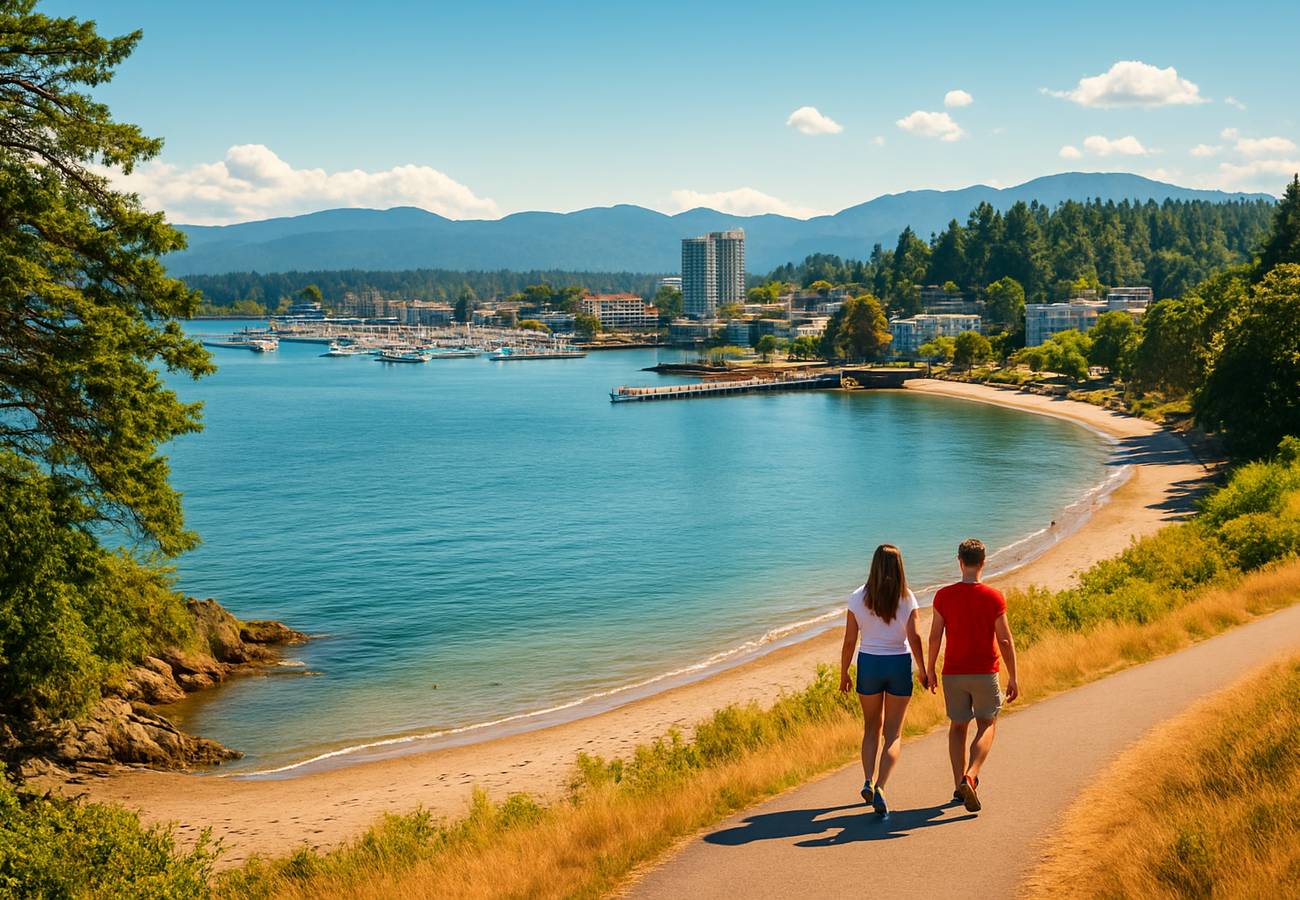
Image generated by AI
Vancouver's World Cup Problem: Infrastructure Under Siege
Vancouver is bracing for impact. The FIFA World Cup 2026 will transform Canada's Pacific gateway into a pressure cooker of congestion, hotel shortages, and transportation chaos. Hosting multiple matches means the city is staring down unprecedented tourism inflows—the kind that strains public transit, overwhelms accommodation providers, and turns once-walkable neighborhoods into gridlocked zones.
Local officials aren't mincing words. The surge will test every system the city has built. Hotels are already fielding reservations months in advance. Public transit planners are stress-testing scenarios. And restaurants are hiring aggressively. The question isn't whether Vancouver will feel the strain—it's how severe.
The Escape Route: Nanaimo's Counterintuitive Play
While other destinations fight for scraps at the World Cup table, Nanaimo is doing something unconventional. Instead of chasing the same crowds flooding Vancouver, the city is positioning itself as the antidote to World Cup chaos.
Tourism Nanaimo has launched a sophisticated regional strategy: become the refuge for visitors who want to catch matches in Vancouver without living in a stadium parking lot for two weeks. The logic is sharp. You can ferry between islands, attend games, then retreat to a quiet coastal city where you can actually breathe.
Reddit: "World Cup travel is about balance—some want the madness, others want the escape. Nanaimo gets this." — r/travel
The Kick The Crowd Campaign: Marketing Gold
The centerpiece of this strategy is the Kick The Crowd campaign, a bold marketing initiative designed to appeal directly to the psychological exhaustion of major sporting events. The campaign doesn't position Nanaimo as a competitor to Vancouver—it positions it as a complement.
The messaging is clean: experience coastal scenery, outdoor recreation, local dining, and cultural attractions without the gridlock. For international and domestic visitors planning to attend World Cup matches, Nanaimo offers day-trip flexibility or multi-night accommodation alternatives that keep them within reasonable reach of the action.
This isn't accidental positioning. Tourism planners across Vancouver Island have coordinated efforts through organizations like 4TVI to distribute visitor flow evenly across the region. The goal: extend visitor stays, increase per-capita spending, and reduce strain on Vancouver's already-stretched infrastructure.
Ferry Connectivity: The Operational Lifeline
Here's where logistics meet opportunity. Hullo Ferries will become a critical artery during the tournament period. As tourists shuttle between Vancouver and Vancouver Island, ferry operator demand will spike dramatically.
The ferry system transforms Nanaimo from a distant alternative into an accessible escape—roughly 90 minutes from downtown Vancouver by car and ferry combined. For families or groups seeking flexible transportation options, this matters enormously. You're not locked into one city for the tournament. You can hop, move, breathe.
Transportation providers have been advised to assess capacity planning and scheduling readiness to handle peak seasonal demand. The BC government is already modeling scenarios. This coordination reflects how serious regional stakeholders are about executing this strategy seamlessly.
Community Events: Capturing Local Energy
Nanaimo isn't just marketing an escape—it's planning to participate in the World Cup experience. Public watch parties, community events, and local gatherings are expected throughout the tournament.
Restaurants, bars, and entertainment venues will capitalize on the global excitement. The city is essentially creating its own World Cup festival while remaining outside the official event footprint. This is smart economics: capture spending without bearing hosting costs.
These initiatives transform Nanaimo's narrative from "alternative destination" to "complementary experience hub." You're not sacrificing World Cup excitement—you're accessing it differently.
The Broader Regional Play
What's happening across Vancouver Island reflects a proven tourism principle: distribute demand geographically during major events to maximize regional benefit while minimizing host-city strain.
This approach has worked successfully in previous FIFA tournaments, where surrounding regions absorbed overflow visitors and built lasting tourism infrastructure. British Columbia is playing the long game here. Summer 2026 isn't just about immediate visitor spending—it's about establishing Vancouver Island as a world-class tourism destination in the eyes of international audiences.
Nanaimo's role is pivotal. Its accessibility, ferry connectivity, and range of visitor experiences position it as the ideal overflow valve. For visitors who want to experience the World Cup without living in a hotel queue, the calculus is simple.
The Economics: Sports Tourism Multiplier Effect
Sports tourism has become one of the most powerful destination marketing tools available. The FIFA World Cup in Vancouver will attract international visitors who might never have considered British Columbia otherwise.
But here's the multiplier: visitors who experience Nanaimo's coastal calm and outdoor recreation during World Cup week may return for leisure travel. They'll bring families, plan extended stays, and recommend the destination to networks back home. That's the long-term prize.
By participating in the broader World Cup tourism ecosystem rather than competing directly with Vancouver, Nanaimo is positioning itself for sustained visibility and repeat visitation. The 2026 tournament becomes a permanent upgrade to the city's tourism profile.
What Comes Next
As summer 2026 approaches, the stage is set. Nanaimo has aligned its messaging, coordinated with regional stakeholders, and prepared ferry infrastructure. Vancouver will handle the intensity of hosting matches. And thousands of visitors will discover that the real World Cup experience extends far beyond the stadium.
The Kick The Crowd campaign represents a fundamental shift in how secondary cities approach major sporting events. Instead of fighting for attention, Nanaimo is offering something more valuable: perspective, space, and a genuinely different way to experience global sporting excitement.
The smartest travel moves aren't always about chasing the biggest crowds—they're about knowing when to step aside.
Related Travel Guides
Nice Airport Adds 10 Routes, Boston Service: 130 Destinations Across 47 Countries Summer 2026
Prague Marathon 2026: Major Traffic and Transit Disruptions Expected
Disclaimer
This article is for informational and educational purposes only. It does not constitute legal, financial, or professional advice. While we strive to provide accurate and up-to-date information, travel policies, regulations, and conditions change rapidly. Always verify information with official sources before making travel decisions. Nomad Lawyer makes no representations about the accuracy, reliability, completeness, or suitability of the information provided. Readers should consult qualified professionals for advice specific to their circumstances. The views expressed in this article are those of the author and do not necessarily reflect the views of Nomad Lawyer.
Preeti Gunjan
Contributor & Community Manager
A passionate traveller and community builder. Preeti helps grow the Nomad Lawyer community, fostering engagement and bringing the reader experience to life.
Learn more about our team →