
Namibia and South Africa Lead African Aviation Fuel Crisis Impacting International Travel Hubs 2026
Namibia and South Africa are facing severe aviation fuel shortages and energy pressures, threatening international flight connectivity and tourism operations across several key African travel hubs in 2026.
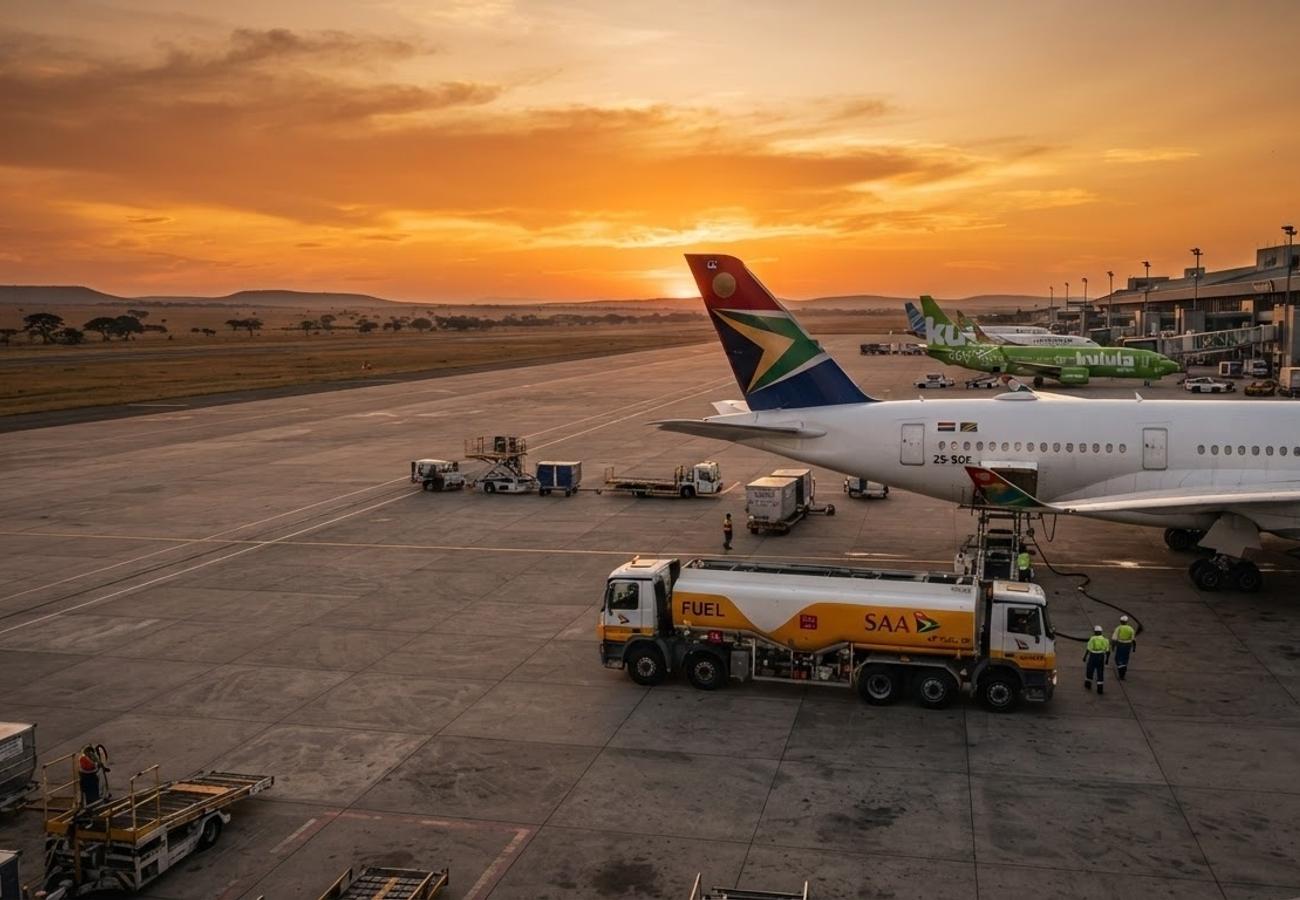
Image generated by AI
African aviation is entering a period of high volatility as fuel supply disruptions and surging operational costs hit major tourism gateways. Namibia and South Africa are currently the primary focal points of an energy crisis that threatens to destabilize regional connectivity and international arrivals.
The African aviation sector is grappling with a systemic vulnerability: a heavy reliance on imported refined fuel products. When global supply chains fracture, the impact transitions rapidly from energy markets to flight cancellations, increased ticket pricing, and degraded passenger experiences.
Regional Fuel Disruptions and Operational Impacts
Namibia has emerged as a critical disruption point. A temporary aviation fuel shortage recently forced airlines operating out of Windhoek to implement emergency operational adjustments. To avoid total flight cancellations, carriers have been forced to utilize "tankering"—carrying additional fuel from departure points—to ensure they can safely exit the country.
This instability is particularly damaging for Namibia's luxury nature and adventure tourism sectors, where international visitors rely on precise flight schedules to reach remote desert and wildlife locations.
South Africa, as the continent's largest aviation gateway, is facing different but equally pressing pressures. While its network is more robust than Namibia's, rising energy costs are squeezing profit margins for domestic and international carriers. This pressure typically manifests as higher base fares and increased costs for airport ground operations.
Broad-Scale Energy Pressure Across African Hubs
The fuel crisis extends beyond the southern region, impacting diverse tourism ecosystems:
- Kenya: Fuel volatility is hitting the safari industry. Operators relying on heavy-duty vehicles for national park excursions and domestic airlines connecting Nairobi to coastal resorts are seeing operational costs climb.
- Ethiopia: As a primary global connection point, any fuel instability in Ethiopia threatens the efficiency of cargo movement and passenger transit between Africa and international markets.
- Mauritius: Due to its island geography, Mauritius has zero domestic fuel production, making it entirely dependent on imports. Energy instability here directly threatens hotel operations and airport services.
- Egypt: High fuel costs are placing pressure on the transport networks that move millions of tourists between historic landmarks and coastal resorts.
- Uganda, South Sudan, and Zimbabwe: These nations are experiencing increased logistics costs, with South Sudan facing a paradox where it possesses oil resources but remains dependent on imported refined products.
African Fuel and Aviation Pressure Matrix
| Country | Fuel and Energy Challenge | Impact on Travel and Aviation |
|---|---|---|
| Namibia | Temporary aviation fuel shortage affecting airport operations | Airlines adjust operations; international connectivity faces pressure |
| South Africa | Fuel market pressure and rising energy costs | Airlines, airports, and tourism transport face increased expenses |
| Kenya | Rising fuel pressure on transport and aviation | Increased costs for safari operators and domestic flights |
| Mauritius | High dependence on imported energy (Island geography) | Vulnerability in airport services and hotel operations |
| Ethiopia | Fuel availability challenges at major hub | Potential disruptions to flight schedules and cargo movement |
| Uganda | Fuel pressure affecting regional mobility | Higher costs for safari vehicles and logistics |
| Egypt | Energy challenges amid high tourism volume | Increased airline operating expenses and transport costs |
| South Sudan | Reliance on imported refined fuel despite oil reserves | Disruptions to business operations and local mobility |
| Zimbabwe | Import challenges and rising fuel costs | Increased travel expenses and pressure on domestic tourism |
Why This Matters: Industry Analysis
From a logistical perspective, the situation in Namibia reveals a dangerous fragility in "thin" aviation markets. When a small hub lacks diversified fuel sources, airlines must resort to tankering. This adds significant weight to the aircraft, which in turn increases the amount of fuel burned per hour—creating a vicious cycle of inefficiency and higher costs.
For travelers, the real impact is a lack of predictability. In tourism-dependent economies like Kenya and Mauritius, fuel instability doesn't just affect the flight; it trickles down to the "last mile" of the journey. If safari vehicles or airport transfers become prohibitively expensive or unavailable, the entire value chain of the tourist experience collapses.
Our analysis suggests that these energy shocks will lead to a tiered pricing structure in African travel for 2026. We expect to see "fuel surcharges" become standard on regional routes, and a shift toward larger, more fuel-efficient aircraft to mitigate the cost of tankering.
Forward Outlook
The aviation industry in Africa must move toward energy diversification to survive these shocks. Expect an increase in bilateral fuel-sharing agreements between neighboring states to prevent the kind of total shortages seen in Namibia.
Furthermore, the pressure on regional hubs like Addis Ababa and Johannesburg will likely accelerate the adoption of sustainable aviation fuels (SAF) and more efficient ground-handling technologies to offset the volatility of imported refined kerosene.
The stability of Africa's tourism growth now depends entirely on the security of its fuel supply chains.
Related Travel Guides
Disclaimer
This article is for informational and educational purposes only. It does not constitute legal, financial, or professional advice. While we strive to provide accurate and up-to-date information, travel policies, regulations, and conditions change rapidly. Always verify information with official sources before making travel decisions. Nomad Lawyer makes no representations about the accuracy, reliability, completeness, or suitability of the information provided. Readers should consult qualified professionals for advice specific to their circumstances. The views expressed in this article are those of the author and do not necessarily reflect the views of Nomad Lawyer.