Namibia Unveils N$260 Million Mokuti Etosha Luxury Safari Transformation in 2026

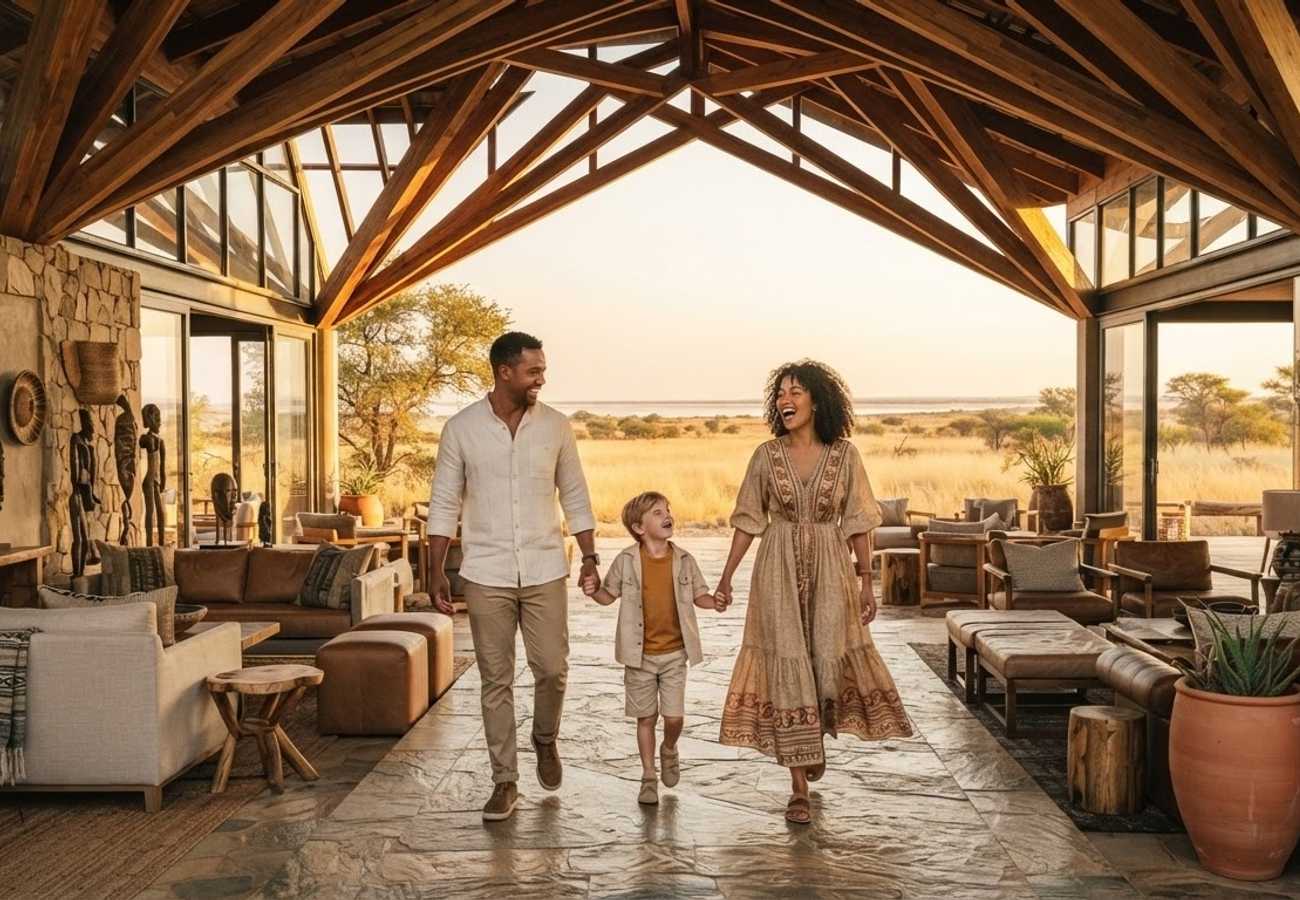
Image generated by AI
Namibia has completed a N$260 million redevelopment of Mokuti Etosha, repositioning the resort as a premier contemporary safari destination. The transformation integrates high-end hospitality with conservation and Namibian cultural heritage.
The facility, situated immediately outside the Von Lindequist Gate of Etosha National Park, has undergone a comprehensive redesign. The project aims to attract high-net-worth international travelers by blending modern architectural standards with authentic wilderness immersion.
The redevelopment follows an "Africa Re-imagined" philosophy. This approach prioritizes a "sense of place," ensuring that luxury upgrades do not disconnect guests from the natural environment or the local cultural identity of the region.
Critical Infrastructure and Amenity Upgrades
The capital investment has resulted in a total overhaul of guest facilities and public areas. Key developments include:
- Premium Accommodations: Full renovation of guest rooms, including upgraded Junior Suites.
- Elite Lodging: Introduction of the exclusive Ombala Presidential Suite.
- Signature Dining: The SkyBoma has been reimagined as a primary open-air dining experience under the Namibian night sky.
- Business Facilities: Modernized conference spaces to accommodate corporate retreats and events.
- Retail Integration: The "Leisure Chapter" retail experience, focusing on locally inspired products and Namibian souvenirs.
Strategic Access to Etosha National Park
The resort's primary value proposition remains its proximity to the eastern side of Etosha National Park. This allows guests seamless transitions between luxury lodging and wildlife exploration.
Industry data highlights Etosha's appeal due to its massive salt pan and high concentrations of wildlife around permanent waterholes. Key species accessible from the Mokuti base include:
- African elephants and lions.
- Rhinos, zebras, and giraffes.
- Various antelope species and diverse bird populations.
Economic Impact and Local Employment
The N$260 million investment served as a catalyst for local economic activity during the construction phase. The project's labor and supply chain data indicate a strong commitment to domestic growth.
Project Employment and Supply Metrics
| Metric | Figure |
|---|---|
| Total Construction Personnel | 115 |
| Namibian National Workers | 111 |
| Local Supplier Partnerships | 15 |
| Total Investment Value | N$260 Million |
Beyond construction, the resort is expanding its permanent hospitality workforce to manage the increased capacity and service standards of the upgraded facility.
Why This Matters: Industry Analysis
The transformation of Mokuti Etosha signals a strategic shift in the Namibian tourism board's approach to the luxury market. By investing N$260 million into a single strategic asset, Namibia is moving away from "rustic" safari models toward a "high-comfort, high-authenticity" hybrid.
Our analysis indicates two primary industry implications:
- Competitive Positioning: By upgrading to Presidential-level suites and modern conference facilities, Namibia is directly competing with the luxury circuits of Botswana and Tanzania.
- Cultural Integration as a Commodity: The explicit inclusion of the Hai//om community's heritage and the "Leisure Chapter" retail experience shows that "cultural authenticity" is now a core requirement for the modern luxury traveler, moving beyond simple wildlife viewing.
The project demonstrates that sustainable growth in African tourism now requires a balance between aggressive capital expenditure (CapEx) and the preservation of indigenous identity.
Forward Outlook
Market trends suggest that Mokuti Etosha will serve as a blueprint for other established Namibian properties. Expect a trend toward "integrated luxury" where resorts act as hubs for wider regional exploration—connecting Etosha with Sossusvlei, the Skeleton Coast, and Swakopmund.
As international demand for exclusive, conservation-focused travel grows, the ability to offer both high-end infrastructure and raw wilderness access will be the primary driver of occupancy rates in the region.
A new benchmark for African wilderness hospitality has been established in the heart of Namibia.
Related Travel Guides
This article is for informational purposes. Flight routes, passenger regulations, visa rules, and transit advisories are subject to change by airlines and aviation authorities. Readers are advised to verify schedules and travel documentation with relevant carriers and border agencies before departure.
Related Stories

Sicily, Tuscany and Piedmont: Italy's Luxury Vineyard Escapes Attract US Travelers in 2026

Northern Ireland Tourism Surge: Solo Travelers Drive £1.2 Billion Boom in Belfast and Derry 2026