
Mumbai Metro One Introduces India's First WhatsApp-Based Digital Pass System
Mumbai Metro One becomes the first Indian metro operator to offer a complete WhatsApp-based pass system on the Versova-Andheri-Ghatkopar line.

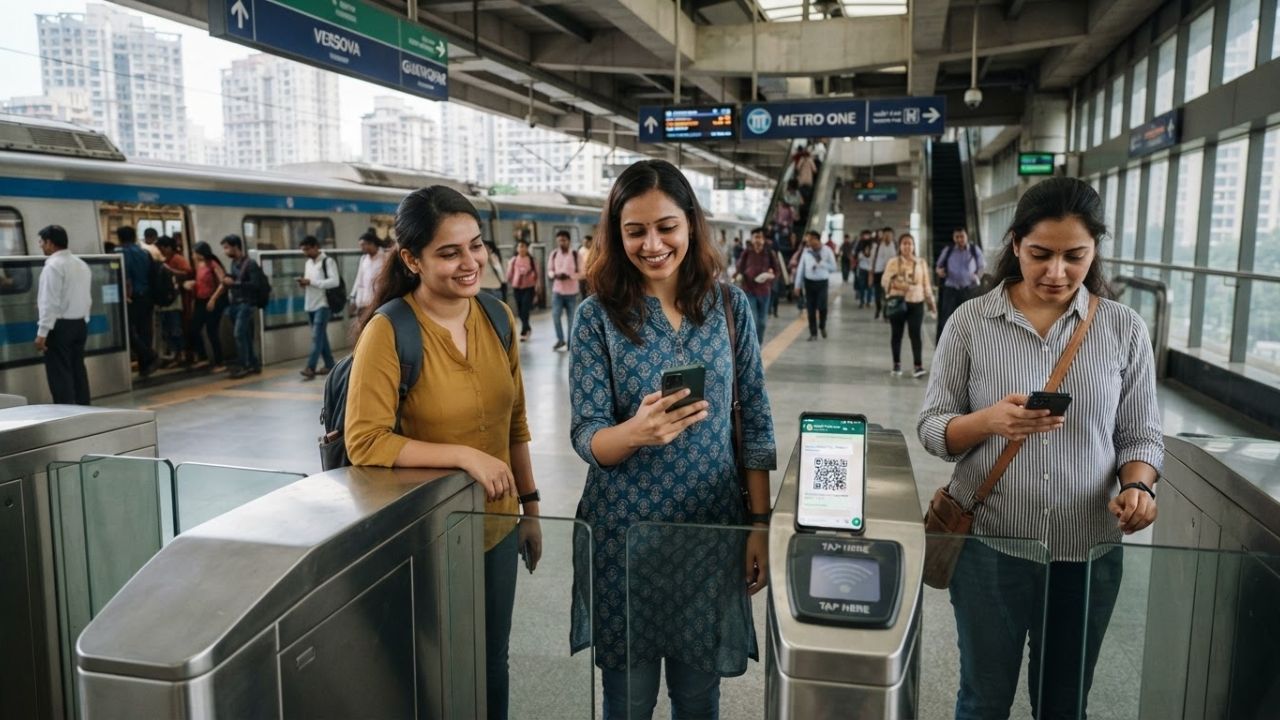
Image generated by AI
Mumbai Metro One has become the first metro operator in India to launch an end-to-end WhatsApp-based pass service, allowing commuters to purchase and store digital passes on their mobile devices.
Contactless Transit: WhatsApp Pass on the Versova-Andheri-Ghatkopar Corridor
Mumbai Metro One is transitioning to next-generation contactless ticketing by offering commuters a complete WhatsApp-based digital pass facility on the Versova-Andheri-Ghatkopar corridor. This digital system allows commuters to buy, renew, and store passes directly through their messaging application, eliminating the need for physical tickets or plastic smartcards.
The new system integrates with major mobile wallet platforms, including Google Wallet and Apple Wallet, allowing passengers to keep their transit credentials securely stored on their smartphones for quick retrieval at entry gates. This contactless approach aims to reduce queues at ticket counters and streamline daily commutes.
Trip Pass and Store Value Options for Commuter Flexibility
The system offers two distinct options designed to match varying travel patterns:
- Trip Pass: Designed for daily commuters who follow a set routine, allowing the pre-purchase of a fixed number of metro journeys.
- Store Value Pass: A pay-as-you-use option where users can add funds to their account, with the system automatically deducting the correct fare after every journey.
Commuters can complete these transactions using multiple digital payment options, including UPI (Unified Payments Interface), debit cards, and credit cards.
Tech-Driven Urban Mobility: Managing High Passenger Volumes
Since starting commercial operations, Mumbai Metro One has carried more than 125 crore (1.25 billion) passengers, highlighting the high density of the Versova-Andheri-Ghatkopar route. As city transit demands expand, the Mumbai Metropolitan Region Development Authority (MMRDA) and the Ministry of Housing and Urban Affairs (MoHUA) are prioritizing cashless, app-free digital solutions to manage crowd flows.
Transitioning to a digital-first transit platform helps minimize boarding delays and allows staff to concentrate on passenger safety and terminal management.
Environmental Benefits of Digital Ticketing
Eliminating physical plastic smartcards and paper tickets reduces solid waste and the carbon footprint associated with card manufacturing and disposal. Choosing public metro transit over private cars or auto-rickshaws helps decrease vehicular emissions and traffic congestion in Mumbai.
Additionally, passengers can support the local economy by patronizing small-scale independent street food stalls and micro-businesses located near the exit gates of major transit hubs like Andheri and Ghatkopar.
Local Insider Travel Strategies
- Avoid Rush Hour Crush: To enjoy a comfortable commute, travel outside the peak hours of 8:30 AM to 11:30 AM and 5:30 PM to 8:30 PM, when trains are exceptionally crowded.
- Utilize Dedicated Coaches: Women commuters can use the designated Ladies' Coach, marked with pink indicators on the platforms.
- Local Gastronomy: Try a hot Vada Pav (Mumbai's traditional spicy potato sandwich) and Cutting Chai from the local vendors right outside Andheri and Ghatkopar stations.
- Fast-Track Connections: Ghatkopar station has a direct foot overbridge linking the metro to the Central Railway local train platforms. Scan your WhatsApp QR code on your phone to transition quickly between systems.
- Backpack Safety: Keep your backpack in front of you during peak hours to protect your belongings and save space in crowded compartments.
Long-Term Outlook for Indian Metro Infrastructure
The launch of a WhatsApp-based pass system by Mumbai Metro One sets a new technological benchmark for urban transport networks in India. As other metropolitan lines expand, integrating third-party messaging services and digital wallets will remain a key strategy to encourage public transport adoption, reduce station operational costs, and establish a modern, contactless travel experience.
Related Travel Guides
Disclaimer
This article is for informational and educational purposes only. It does not constitute legal, financial, or professional advice. While we strive to provide accurate and up-to-date information, travel policies, regulations, and conditions change rapidly. Always verify information with official sources before making travel decisions. Nomad Lawyer makes no representations about the accuracy, reliability, completeness, or suitability of the information provided. Readers should consult qualified professionals for advice specific to their circumstances. The views expressed in this article are those of the author and do not necessarily reflect the views of Nomad Lawyer.
Raushan Kumar
Founder & Lead Developer
Full-stack developer with 11+ years of experience and a passionate traveller. Raushan built Nomad Lawyer from the ground up with a vision to create the best travel and law experience on the web.
Learn more about our team →