
Mozambique Travel Alert: Terror Risks Challenge Luxury Tourism
A U.S. State Department warning flags terror risks in northern Mozambique, challenging Cabo Delgado's luxury beach resorts. Read the full travel alert.

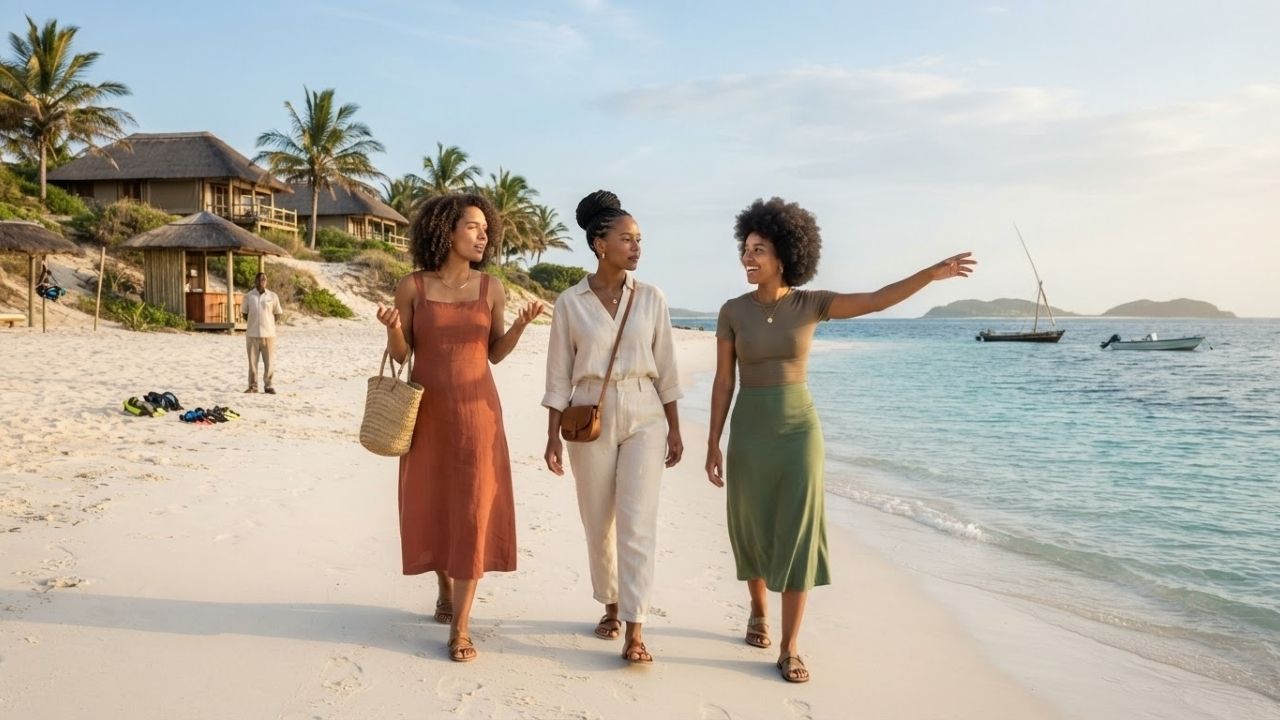
Image generated by AI
The U.S. Department of State has issued an updated travel warning for Mozambique, urging increased caution due to active terrorism threats in northern regions, particularly Cabo Delgado Province. While high-risk zones face strict travel advisories, southern and central holiday destinations remain open and continue to draw international visitors.
Security Challenges in Northern Coastal Districts
The updated advisory highlights safety challenges in northern Mozambique, driven by extremist groups operating in Cabo Delgado Province. This regional instability has placed significant pressure on local communities, conservation projects, and tourism operations.
Cabo Delgado has long been a key part of Mozambique's luxury travel identity. The province hosts pristine coastal environments, including Quirimbas National Park, which is celebrated for its tropical coral reefs, marine ecosystems, and exclusive island resorts. However, the active security threat has reduced traveler confidence in northern destinations, highlighting the necessity of researching regional safety updates prior to departure.
Mozambique's Broader Tourism Appeal Remains Intact
Despite localized security challenges, Mozambique remains a premier destination for Indian Ocean beach getaways, wildlife safaris, and marine adventures. The country's primary holiday zones are located hundreds of miles south of the high-risk areas, where operations continue without disruption:
- Maputo: The capital city offers visitors a rich history, colonial-era architecture, and a lively seafood culture.
- Vilanculos: A coastal town that serves as the primary gateway for boat trips, diving excursions, and marine wildlife viewing.
- The Bazaruto Archipelago: An offshore island sanctuary offering crystal-clear waters, high-end private lodges, and marine conservation areas.
| Region / District | Safety Profile | Primary Travel Offerings | Travel Advisory Status |
|---|---|---|---|
| Cabo Delgado (North) | High Risk | Quirimbas National Park & luxury island lodges | Avoid all travel (U.S. State Department Warning) |
| Bazaruto Archipelago (South) | Safe / Open | Dugong viewing, diving, and private eco-resorts | Normal travel precautions |
| Vilanculos (South) | Safe / Open | Marine safaris, dhow sailing, and beach culture | Normal travel precautions |
| Maputo (South) | Safe / Open | Urban markets, historical architecture, and waterfront dining | Normal travel precautions |
This geographic division is important for travel planning. Security concerns in Cabo Delgado do not apply to the southern half of the country, where premium beach and marine tourism remains popular.
Sustainable Practices and Direct Support of Southern Communities
For travelers choosing safe southern regions like Vilanculos and the Bazaruto Archipelago, tourism provides essential financial support for local economies. Staying in locally owned lodges, hiring resident dhow boat captains, and purchasing fresh fish directly from local markets ensures that travel spending goes straight to resident families.
Furthermore, visitors to the Bazaruto Archipelago National Marine Park support the preservation of endangered marine species, including the last viable population of dugongs in the Western Indian Ocean. INATUR (National Tourism Institute of Mozambique) and the National Administration of Conservation Areas (ANAC) work to ensure that park fees directly fund marine patrols, helping local rangers protect coral reefs from illegal fishing and anchor damage.
Local Insider Secrets for Savvy Holiday Travelers
To experience Mozambique safely and support local communities, integrate these insider tips:
- Choose Southern Alternatives: Skip Cabo Delgado and choose southern coastal areas like Inhambane Province (including Tofo Beach or Barra) or the Bazaruto Archipelago, which are outside of high-risk warning zones.
- Organize Resort Transfers: When booking accommodation on Bazaruto's private islands, coordinate boat or air transfers directly through your lodge from Vilanculos. Avoid unregistered public boat hires for safety reasons.
- Sample Local Food in Maputo: Visit municipal markets in Maputo to try matapa (cassava leaves cooked with coconut milk and peanuts) or traditional piri-piri chicken spiced with local chilis.
- Observe Marine Etiquette: When diving or snorkeling in conservation zones, do not touch coral reefs or disturb nesting sea turtles. Keep a respectful distance from whale sharks and dugongs.
- Verify Evacuation Insurance: Ensure your travel insurance policy covers medical evacuation and unexpected travel delays, which is standard practice when traveling to remote African island resorts.
Long-Term Outlook: Balancing Security and Resource Preservation
Mozambique's travel future depends on maintaining destination confidence while addressing northern security concerns. For remote regions, long-term recovery relies on improved coordination between civil aviation authorities, security forces, and international conservation groups.
By focusing development on southern eco-tourism projects and reinforcing safety infrastructure, Mozambique can protect its international visitors while unlocking the potential of its Indian Ocean coast. Destinations that successfully balance conservation, safety, and local economic development are best positioned for sustainable growth.
Related Travel Guides
- US Birthright Citizenship Ruling: Supreme Court Overturns Executive Order
- Utrecht Netherlands Becomes Europe's Top Cycling Hub with 420km of Dedicated Paths in 2026
- Virginia Joins North Carolina and More US States as 24 to 28 September Coastal Storm Raises Flooding, Beach Erosion and Travel Concerns
Disclaimer
This article is for informational and educational purposes only. It does not constitute legal, financial, or professional advice. While we strive to provide accurate and up-to-date information, travel policies, regulations, and conditions change rapidly. Always verify information with official sources before making travel decisions. Nomad Lawyer makes no representations about the accuracy, reliability, completeness, or suitability of the information provided. Readers should consult qualified professionals for advice specific to their circumstances. The views expressed in this article are those of the author and do not necessarily reflect the views of Nomad Lawyer.
Raushan Kumar
Founder & Lead Developer
Full-stack developer with 11+ years of experience and a passionate traveller. Raushan built Nomad Lawyer from the ground up with a vision to create the best travel and law experience on the web.
Learn more about our team →