
Mozambique Travel Alert 2026: Balancing Luxury Tourism Growth and Cabo Delgado LNG Security Risks
Mozambique faces a stark divide in 2026 as ultra-luxury island resorts thrive in the south while security warnings persist in Cabo Delgado amid the restart of multibillion-dollar LNG projects.

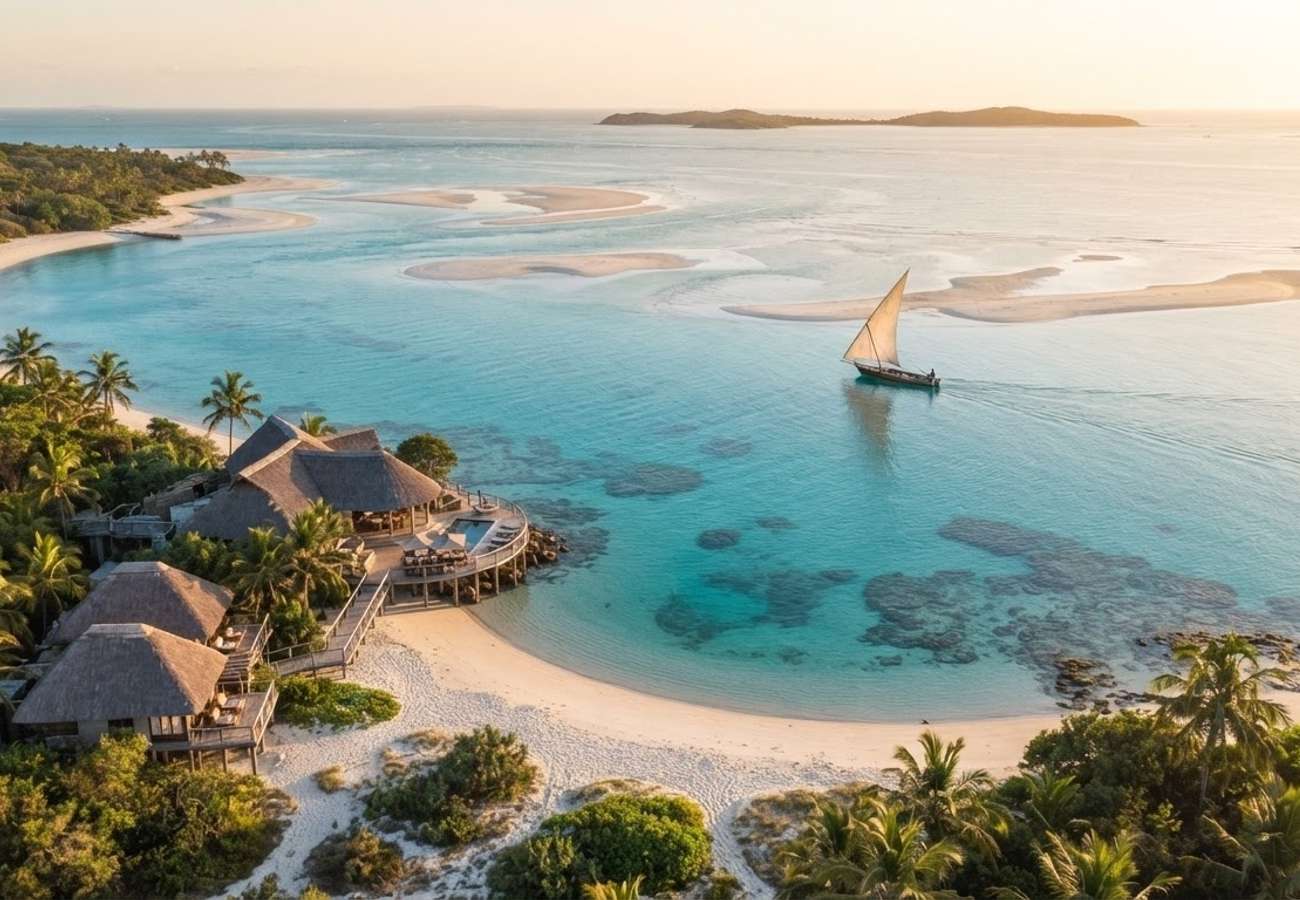
Image generated by AI
The contrast in Mozambique is stark: while the US maintains a "do not travel" designation for the north, the southern coast is seeing a surge in ultra-luxury investment and high-net-worth arrivals.
The Great Divide: Security Alerts vs. Luxury Booms
Mozambique is currently navigating a paradoxical era of growth. In the north, the Cabo Delgado province remains a flashpoint of instability. International security warnings, updated through mid-2026, continue to flag the region as high-risk due to an Islamic State-linked group active since 2017. These militants have targeted villages and critical road corridors, leading the United States and several European governments to maintain severe travel warnings.
However, this volatility is geographically isolated. While the north struggles, the southern and central coasts are witnessing a boom in high-end tourism. The Bazaruto Archipelago National Park has emerged as the crown jewel of this expansion. Islands such as Bazaruto and Benguerra are now global benchmarks for "barefoot luxury," attracting visitors with protected reefs and rare dugong habitats.
The LNG Factor and Northern Security Dynamics
The economic landscape of the north changed significantly in early 2026 with the phased resumption of the multibillion-dollar Mozambique LNG project. TotalEnergies lifted its force-majeure declaration—which had been in place since the March 2021 attack on Palma—to restart onshore and offshore operations at the Afungi peninsula.
This revival has created a "fortress" effect. The Afungi site and Palma corridor are now protected by a Joint Task Force of Mozambican security forces. For the visitor, the real impact is a fragmented security map: heavily guarded industrial enclaves exist side-by-side with vulnerable communities. This militarization has effectively killed traditional overland tourism in the north; itineraries that once linked northern beach lodges via road are now routinely suspended or rerouted through private charters.
Cultural and Environmental Value
The shift toward luxury tourism in the south is not merely about opulence; it is increasingly tied to regional heritage and conservation. The Bazaruto and Benguerra islands are leveraging their status to fund no-take marine zones and community employment programs. By integrating local populations into the hospitality workforce, these resorts are attempting to create a sustainable economic alternative to the extractive industries seen in the north.
For the conscious traveler, the value lies in the "frontier luxury" experience—accessing remote reefs and mangroves in the Quirimbas Archipelago via light aircraft. This model supports local conservation bodies and ensures that tourism revenue reaches remote coastal villages, provided the logistics are managed by specialist operators who prioritize regional stability.
Visitor Insider Tips
Navigating Mozambique in 2026 requires a segmented approach to planning. To ensure a safe and authentic experience, consider these local insights:
- The "South-First" Rule: For first-time visitors, stick to the southern hubs of Inhambane, Ponta Mamoli, and the Bazaruto Archipelago. These areas are far removed from the Cabo Delgado conflict zone and offer the most stable infrastructure.
- Logistics over Landscapes: Avoid all overland travel in the north. Rely exclusively on pre-arranged charter flights and private boat transfers. Ensure your operator has a documented contingency plan for medical or security evacuations.
- Cultural Etiquette: When visiting community-led conservation projects, engage with local guides. Mozambique's coastal culture is deeply tied to the sea; asking about traditional fishing practices is a great way to build rapport.
- Urban Awareness: While the terror threat is concentrated in the north, European advisories warn of rising opportunistic crime in Maputo. Use reputable transport services and avoid displaying high-value items in the capital.
Tourism Outlook
The long-term trajectory of Mozambique depends on whether the economic gains from LNG and luxury tourism can trickle down to the displaced populations of Cabo Delgado. Currently, there is a widening gap between the fortified "energy zones" and the surrounding impoverished communities.
If the government and corporate partners can successfully transition from purely military security to community-led stability, the north may eventually reopen to the "frontier luxury" market. Until then, Mozambique will remain a destination of two halves: a high-risk industrial frontier in the north and a serene, sustainable paradise in the south.
The choice for the 2026 traveler remains a balance of risk tolerance and a desire for untouched Indian Ocean beauty.
Related Travel Guides
Disclaimer
This article is for informational and educational purposes only. It does not constitute legal, financial, or professional advice. While we strive to provide accurate and up-to-date information, travel policies, regulations, and conditions change rapidly. Always verify information with official sources before making travel decisions. Nomad Lawyer makes no representations about the accuracy, reliability, completeness, or suitability of the information provided. Readers should consult qualified professionals for advice specific to their circumstances. The views expressed in this article are those of the author and do not necessarily reflect the views of Nomad Lawyer.
Raushan Kumar
Founder & Lead Developer
Full-stack developer with 11+ years of experience and a passionate traveller. Raushan built Nomad Lawyer from the ground up with a vision to create the best travel and law experience on the web.
Learn more about our team →