
Canada Largest Island Emerges as 2026 Arctic Adventure Hotspot
Canada's largest island is drawing adventure travelers in 2026 with polar bear expeditions, glacier exploration, and remote Arctic camping. This remote destination offers unparalleled wildlife encounters and pristine wilderness experiences for intrepid explorers.

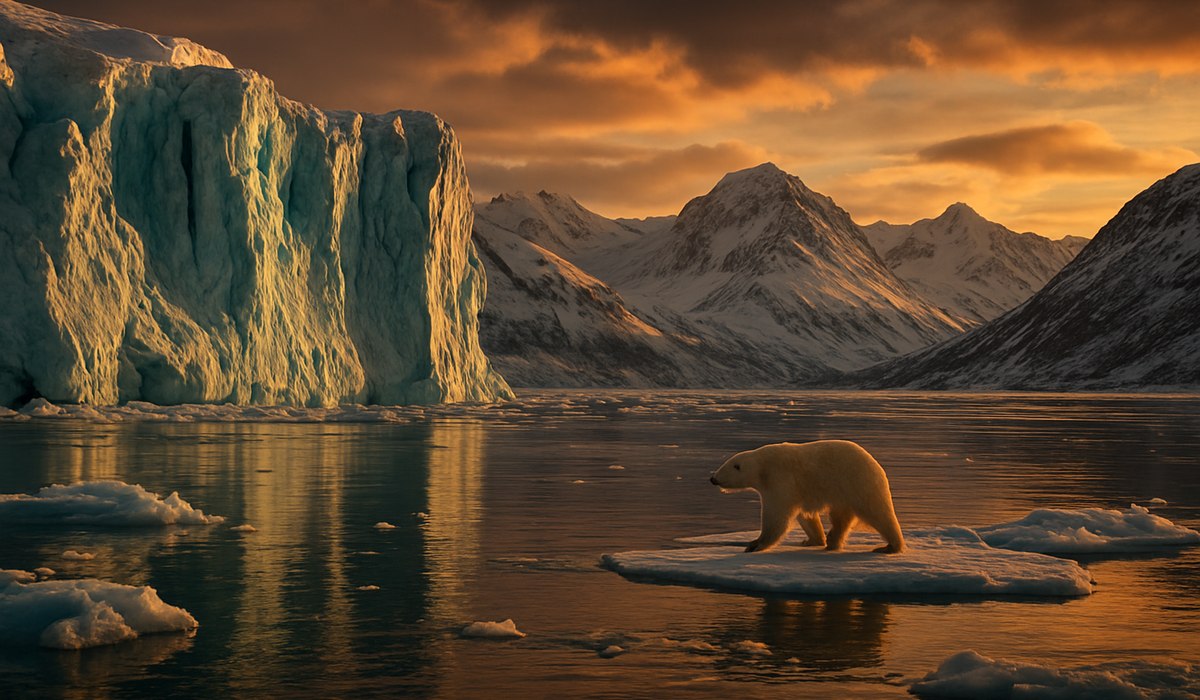
Image generated by AI
Arctic's Most Underrated Destination Captures Traveler Attention
Canada's largest island is rapidly emerging as the continent's premier Arctic adventure destination for 2026. Baffin Island, spanning 507,451 square kilometers across the remote far north, has historically remained beyond mainstream tourism radar. However, guided polar bear expeditions, glacier trekking, and edge-of-floe camping experiences are now attracting serious adventure seekers willing to venture into one of Earth's last true wilderness frontiers.
The island's Arctic location positions it as an unparalleled gateway for experiencing untamed polar ecosystems, pristine glacial landscapes, and encounters with iconic wildlife found nowhere else in North America.
Why Canada's Largest Island Remains Off The Mainstream Radar
Baffin Island's remote positioning—situated between mainland Canada and Greenland in the Arctic archipelago—has kept it relatively isolated from typical tourism infrastructure. Limited flight connections, extreme weather conditions, and logistical complexity have naturally restricted visitor numbers compared to more accessible Canadian destinations.
Yet this very remoteness has preserved the island's ecological integrity and authentic Arctic character. Unlike heavily trafficked national parks in southern Canada, Canada's largest island maintains pristine conditions where environmental impact remains minimal. Tourism operators have carefully developed sustainable expedition models respecting both Inuit communities and fragile Arctic ecosystems.
The island's exclusivity appeals to a specific traveler demographic: those prioritizing genuine wilderness immersion over conventional resort comforts. Official tourism information through Nunavut Tourism highlights how controlled expedition access maintains ecological balance while generating economic benefits for remote communities.
Arctic Wildlife Encounters And Polar Bear Expeditions
Baffin Island hosts approximately 900 polar bears—roughly 10 percent of the global population—making it one of Earth's most significant polar bear strongholds. Edge-of-floe expeditions allow visitors to observe these magnificent predators within their natural habitat during specific seasonal windows.
November and December represent peak polar bear season when sea ice forms and bears congregate along coastal regions hunting seals. Specialized operators conduct guided excursions from settlements like Arctic Bay and Igloolik, where trained guides maximize wildlife viewing opportunities while maintaining strict safety protocols.
Beyond polar bears, Canada's largest island supports diverse Arctic fauna including beluga whales, narwhals, muskoxen, and Arctic foxes. Marine wildlife cruises navigate Baffin Bay revealing the island's role as a critical migration corridor for numerous species. Ornithologists particularly prize the island for its seabird colonies, featuring millions of auks, gulls, and terns during summer months.
Indigenous Inuit guides provide invaluable ecological knowledge, enhancing expedition experiences with cultural context and traditional hunting practices. This collaborative approach creates meaningful encounters while supporting local economies. Check TripAdvisor's Arctic expedition reviews for detailed operator comparisons and recent traveler experiences.
Glaciers, Parks, And Adventurous Outdoor Activities
Baffin Island contains over 30,000 glaciers—more than any other place in the Arctic—creating landscapes of staggering visual drama. Auyuittuq National Park protects the island's most spectacular glacial terrain, featuring Penny Ice Cap, an expansive ice plateau covering 6,200 square kilometers.
Multi-day trekking expeditions traverse valleys carved by retreating glaciers, offering unmatched wilderness photography opportunities and intimate encounters with Arctic geomorphology. Akshayuk Pass, a popular backcountry corridor, descends 640 kilometers between dramatic granite peaks and cascading meltwater streams.
Remote camping experiences allow visitors to establish basecamp within Canada's largest island's protected wilderness zones. Winter mountaineering ascents attract technical climbers targeting peaks like Mount Thor and Mount Odin, which feature some of North America's steepest vertical drops.
Qilak National Park, established to protect unique Arctic ecosystems, offers lower-elevation hiking suitable for moderate fitness levels. Park facilities remain deliberately minimal, preserving authentic wilderness character while providing essential safety infrastructure and regulatory oversight.
Best Time to Visit Canada's Largest Island
Baffin Island experiences extreme seasonal variations requiring careful trip planning. Summer months (July-August) offer endless daylight, accessible terrain, and peak wildlife diversity. Average temperatures reach 5-10°C (41-50°F), though coastal areas experience cooler conditions.
Winter (November-March) presents challenges but unmatched polar bear viewing opportunities. Darkness dominates northern regions, yet northern lights illuminate Arctic skies with remarkable frequency. Extreme cold (temperatures dropping to -40°C/-40°F) demands specialized gear and expedition experience.
Shoulder seasons (May-June and September-October) balance moderate weather, wildlife activity, and reduced traveler crowding. These periods suit visitors seeking adventure without extreme environmental conditions. Spring offers midnight sun phenomena combined with emerging Arctic wildlife activity.
Most expedition operators recommend late summer and early fall for first-time visitors balancing accessibility with authentic Arctic experiences.
How to Get There
Baffin Island lacks direct North American flight connections. Most visitors transit through Iqaluit, the territorial capital, or southern Canadian hubs like Montreal, Toronto, or Yellowknife. Canadian North and First Air operate limited regional services connecting mainland Canada to Arctic settlements.
Flight costs typically range from CAD $400-800 for southern Canada to Arctic communities, representing substantial travel expenses. Once on the island, most expedition operators arrange local transportation via small aircraft charters or snowmobiles depending on seasonal conditions.
Cruise operators offering Arctic wildlife expeditions typically depart from southern Canadian ports, with journeys lasting 10-14 days. These all-inclusive packages eliminate ground logistics complexity, though advance booking (6-12 months recommended) proves essential due to limited vessel capacity.
Detailed travel logistics and current transportation options are available through official Nunavut territorial tourism resources and expedition operator websites.
Practical Guide: Planning Your Remote Island Adventure
Preparation determines success when visiting Canada's largest island. Essential planning considerations include:
Documentation and timing: Canadian visitor visas are required for most international travelers. Expedition permits for protected parks demand advance arrangements through Parks Canada.
Physical conditioning: Arctic expeditions require substantial cardiovascular fitness. Training programs simulating elevation gain and prolonged weight-bearing prove invaluable.
Equipment investment: Specialized cold-weather gear, including insulated boots, thermal layers, and expedition-grade tents, represents significant upfront costs. Many operators provide essential equipment, though personal gear often exceeds rentals in performance.
Budget allocation: Total trip costs typically range from CAD $4,000-10,000 per person for guided expeditions, including flights, accommodation, meals, and guide services. Luxury expedition cruises exceed CAD $15,000.
Travel insurance: Arctic-specific coverage addressing medical evacuation, expedition cancellation, and extreme weather contingencies proves essential and significantly increases overall expenses.
What This Means for Travelers
Arctic adventure tourism on Canada's largest island represents 2026's emerging frontier travel trend. Key implications include:
-
Booking flexibility decreases: Limited expedition slots and seasonal constraints require 6-12 month advance planning. Early 2026 bookings may already face limited availability for summer expeditions.
-
Cost considerations intensify: Arctic travel expenses significantly exceed typical Canadian tourism, with total trips averaging CAD $6,000-8,000 per person minimum. Budget-conscious travelers should recalibrate expectations accordingly.
-
Physical preparation becomes non-negotiable: Unlike passive cruise experiences, active Arctic expeditions demand genuine fitness and environmental acclimation. Pre-trip conditioning programs are recommended.
-
Environmental consciousness grows: Sustainable travel practices are mandatory on Baffin Island. Travelers must commit to
Disclaimer
This article is for informational and educational purposes only. It does not constitute legal, financial, or professional advice. While we strive to provide accurate and up-to-date information, travel policies, regulations, and conditions change rapidly. Always verify information with official sources before making travel decisions. Nomad Lawyer makes no representations about the accuracy, reliability, completeness, or suitability of the information provided. Readers should consult qualified professionals for advice specific to their circumstances. The views expressed in this article are those of the author and do not necessarily reflect the views of Nomad Lawyer.
Raushan Kumar
Founder & Lead Developer
Full-stack developer with 11+ years of experience and a passionate traveller. Raushan built Nomad Lawyer from the ground up with a vision to create the best travel and law experience on the web.
Learn more about our team →