
8 Most Colorful Places in the World: From Morocco's Blue City to Italy's Pastel Islands in 2026
Discover Earth's most vibrant destinations. From Chefchaouen's striking blue streets to Procida's gelato-hued harbors, here are eight colorful places worth chasing.

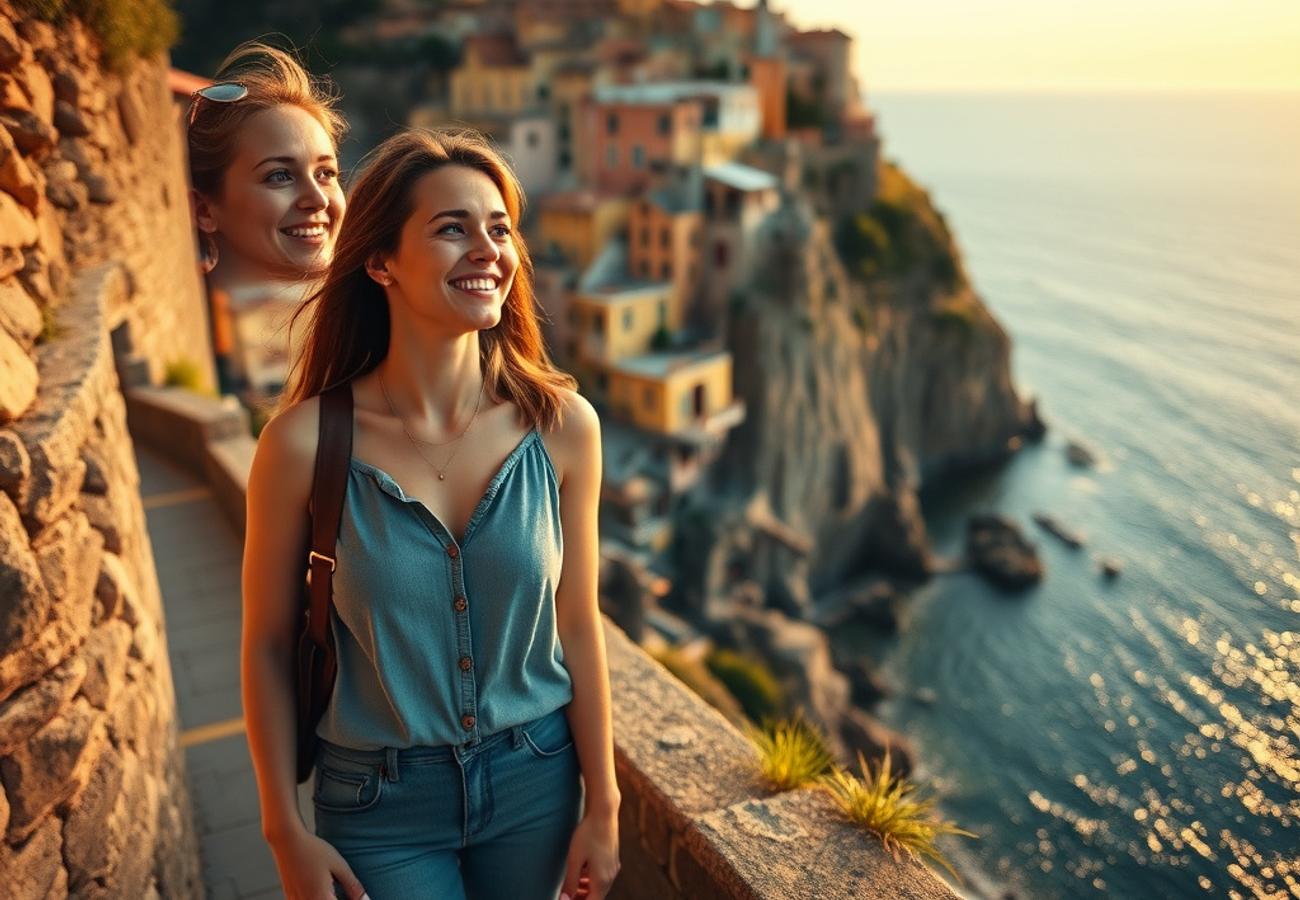
Image generated by AI
Life's too short to live in grayscale. The world's most magnificent destinations don't whisper—they scream in color, and if you're a serious traveler hunting for Instagram gold and genuine cultural experiences, these eight locations demand your attention.
I've tracked down the planet's most jaw-dropping colorful destinations, places where entire neighborhoods become living murals and centuries-old traditions explode into rainbows before your eyes.
Manarola: Where Cinque Terre's Colors Meet the Cliffs
Manarola in Italy's Cinque Terre region on the Ligurian Coast isn't just colorful—it's architectural poetry. Pastel-hued houses tumble down cliffs rising 70 meters above the Mediterranean in a chaotic, breathtaking cascade.
Five villages comprise Cinque Terre, but Manarola steals the spotlight. Steep passageways cut through the village down to pebbled beaches, while hiking trails connect you to the other four settlements. The Nessun Dorma restaurant perches along the cliff path, offering sunset views that make every golden-hour photo worth its weight in camera storage space.
The village transforms entirely during late afternoon light. By 5 PM, the pastel facades glow amber and rose.
Las Palmitas: Mexico's Barrio Transformation Story
In 2015, the Las Palmitas barrio in Pachuca, Mexico—a former mining town 50 miles from Mexico City—was unremarkable gray and gritty. An art collective partnered with local residents to execute one of Latin America's most audacious community art projects.
Today, Barbie pink, lime green, fluorescent orange, and deep purple houses dominate the hillside. The transformation wasn't performative—it was economic and cultural revitalization. The Museo de Minería sits nearby, preserving the town's industrial heritage, offering visitors insight into the mining techniques and equipment that shaped this region.
Reddit: "This is what real community art looks like. Not Instagram aesthetics, but actual neighborhood pride." — r/travel
La Boca: Buenos Aires' Tango-Stained Streets
El Caminito, the legendary street in La Boca, Buenos Aires, emerged from necessity and poverty. Early 20th-century immigrants—particularly those working the nearby docks—painted their homes using leftover industrial paint from fishermen and warehouse workers.
What started as resourcefulness became culture. Today, Boca Juniors Stadium anchors the neighborhood, while outdoor tango performances echo down the vibrant streets where the dance allegedly originated. The buildings—crimson, mustard yellow, electric turquoise—tell stories of resilience and artistic rebellion.
This neighborhood proved that color transforms more than aesthetics; it resurrects identity.
Little India, Singapore: A Subcontinent Transplanted
Little India in Singapore traces its roots to early 1800s immigration from the Indian subcontinent. Walking through its markets means encountering shocking fuchsia, electric gold, and deep indigo—the same chromatic intensity you'd experience in Mumbai or Delhi.
Sari fabrics in impossible brightness, strands of vivid yellow marigolds destined for temple offerings, and sweets encased in gold and silver leaf line the shops. The Tan Teng Niah mansion, painted in complete rainbow hues, stands as the district's most photographed monument beyond its numerous Hindu temples.
The sensory overload is intentional. Color here means devotion, celebration, and preservation of identity across continents.
Old Havana: Caribbean Color Frozen in Time
La Habana Vieja (Old Havana) earned UNESCO World Heritage status in 1982 partly because of its narrow streets lined with banana yellow, candy pink, and cobalt blue colonial buildings. Walking these passages means stepping through centuries of Caribbean architecture, Art Nouveau elegance, and Spanish colonial tradition.
The Malecon (officially Avenida de Maceo) stretches along the coast showcasing some of Havana's most stunning Art Nouveau facades. Each building bears witness to different historical eras, their pastel facades weathered but commanding.
The city's isolation meant preservation—colors here haven't been modernized away.
Procida: Ice Cream Hues on the Bay of Naples
Off the coast of Naples, the small island of Procida boasts a fishing harbor where houses sport Neapolitan ice cream shades—strawberry, vanilla, chocolate, pistachio, and mandarin orange. These weren't aesthetic choices; fishermen centuries ago painted their homes in striking colors so they could identify them after long days at sea.
The Port of Corricella offers the most photogenic angle from the road ascending toward the Church of Santa Maria Nuova. Boats bob in waters the color of deep sapphires while buildings create impossible pastels against them.
Functionality transformed into legendary beauty.
Colmar: Medieval France's Storybook Streets
Colmar in Alsace, near the German border, earns its "Little Venice of France" nickname through picturesque canals lined with half-timbered houses that look transplanted from fairytales. Each house's color historically represented its owner's profession: white for bakers, yellow for cheese makers, blue for fishermen, green for gardeners.
The Lauch River reflects these medieval structures, creating doubled color on water. Cremant d'Alsace, the region's sparkling wine, pairs perfectly with wandering these cobblestone streets during late afternoon when light turns everything amber.
Medieval urban planning proved that color-coded society could actually work—at least aesthetically.
Chefchaouen: The Blue City's Global Obsession
Chefchaouen, located in Morocco's Tangier-Tetouan region at the foot of the Rif mountain range, is the planet's most famous monochromatic destination. Walls, streets, doors, and buildings—all painted in different shades of blue.
Theories abound: blue supposedly repels mosquitoes, reduces summer heat, or symbolizes the sky and heaven, representing humanity's connection to the divine. Whatever the reason, Chefchaouen has become an Instagrammer's pilgrimage site. The town's leather workshops and weaving operations mean authentic souvenirs, not mass-produced trinkets.
The blue isn't paint—it's identity, spiritual practice, and tourist magnetism merged into single phenomenon.
Planning Your Colorful Pilgrimage
These eight destinations share something crucial: authentic color narratives. They're not theme parks or artificial installations. Each location's palette emerged from history, culture, necessity, or spiritual tradition.
Visit during golden hour for maximum photographic impact. Early morning light at Manarola, late afternoon at Colmar, sunset at Procida—timing transforms already remarkable destinations into transcendent experiences.
Consider combining destinations: Procida and Naples work as a logical pairing, as do Chefchaouen and Tangier. Day trips from larger cities reduce logistical friction.
Reddit: "The colors hit different when you understand WHY they're there. These aren't Instagram locations—they're cultural documents." — r/culturaltravel
These aren't just pretty places—they're visual histories, cultural statements, and proof that humanity's relationship with color runs deeper than aesthetics.
Chase the rainbow; you'll find something far more valuable than the pot at its end.
Related Travel Guides
Disclaimer
This article is for informational and educational purposes only. It does not constitute legal, financial, or professional advice. While we strive to provide accurate and up-to-date information, travel policies, regulations, and conditions change rapidly. Always verify information with official sources before making travel decisions. Nomad Lawyer makes no representations about the accuracy, reliability, completeness, or suitability of the information provided. Readers should consult qualified professionals for advice specific to their circumstances. The views expressed in this article are those of the author and do not necessarily reflect the views of Nomad Lawyer.
Kunal K Choudhary
Co-Founder & Contributor
A passionate traveller and tech enthusiast. Kunal contributes to the vision and growth of Nomad Lawyer, bringing fresh perspectives and driving the community forward.
Learn more about our team →