
Top 10 Most Active US Rental Markets in 2026: Price Trends and Demand Drivers
Analysis of the 10 most active US rental markets in 2026, highlighting the impact of AI job growth, homeownership affordability gaps, and regional migration patterns on rent prices.

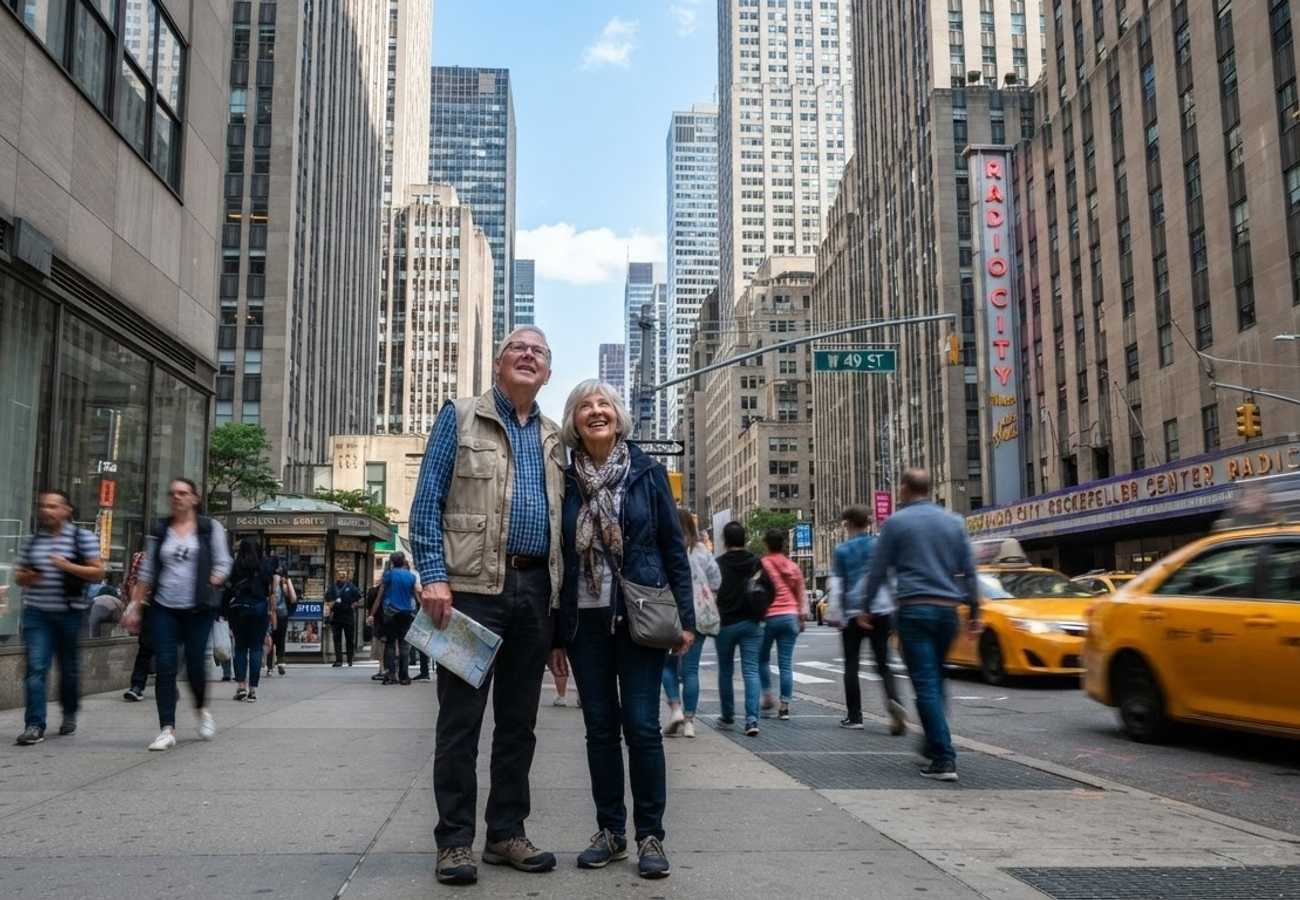
Image generated by AI
The United States rental landscape in 2026 is defined by a stark contrast between moderating national growth and intense localized volatility. While the post-pandemic pricing spikes have leveled off, specific metropolitan hubs are experiencing renewed pressure due to a combination of prohibitive homeownership costs and targeted industry booms.
Current data indicates that the "renter pool" is expanding not necessarily by choice, but because the financial barrier to entry for home buying remains too high for a significant portion of the workforce. This systemic shift is keeping demand elevated in cities where high-paying sectors—specifically AI, biotech, and finance—continue to attract global talent.
The Dominance of High-Density Hubs
New York City remains the epicentre of U.S. rental activity. The market is sustained by a powerful synergy of finance, media, and technology sectors, coupled with a concerted corporate push for return-to-office mandates. This has revitalized demand in Manhattan and the surrounding boroughs.
Despite an increase in new supply within Brooklyn and Queens, vacancy rates remain tight. The city's unique density and cultural draw ensure a constant stream of young professionals and international migrants. Regulatory attempts to curb costs, such as the FARE Act—which prevents brokers from charging tenants fees when hired by landlords—and discussions around rent freezes, have yet to offset the fundamental pressure of limited supply against massive demand.
The AI Surge in San Francisco
San Francisco is currently witnessing one of the most aggressive rental rebounds in the country. The explosion of generative AI and enterprise software has triggered a hiring spree that has outpaced the city's ability to build new housing.
Since 2022, lease-ups have significantly exceeded new deliveries. This has pushed vacancy rates to their lowest levels since 2001, resulting in a sharp 8.3% year-over-year increase in average rents.
Luxury Saturation in Miami
Miami presents a different dynamic. While the city is a magnet for crypto and finance firms seeking a tax-friendly environment, the market is heavily skewed toward luxury developments.
There is currently a disconnect between general demand and luxury supply. The vacancy rate for luxury apartments sits at 10.6%, notably higher than the city's overall vacancy rate of 7.4%, suggesting that while people are moving to Miami, the high-end pipeline may be overextended.
Academic and Biotech Anchors in Boston
Boston's market is uniquely stabilized by its "Eds and Meds"—the concentration of world-class universities and biotech firms. The city faces a chronic supply shortage due to strict zoning and a lack of developable land.
In the first quarter of 2026, units under construction dropped by 15% compared to the previous year, while lease-ups surged by 61%. This marks the first time since mid-2024 that demand has officially outstripped new supply in the Boston area.
The "Value Play" in Chicago
Chicago has positioned itself as a viable alternative to the coast. Renters are increasingly "trading up" to higher-quality units because the cost of renting remains significantly lower than the combined burden of a mortgage, property taxes, and insurance.
With home prices rising 3.6% over the last year—outpacing the national average of 1.3%—more residents are choosing to remain in the rental market longer than originally planned.
The Spillover Effect in Northern New Jersey
Northern New Jersey, particularly Newark, serves as a critical relief valve for New York City. The region attracts commuters who prioritize transit access to Manhattan over the extreme costs of living within the city limits.
While new construction has increased vacancy rates slightly to 6.4%, this is still well below the national average of 8.5%, indicating that the market is absorbing new units efficiently without becoming overbuilt.
Rental Market Data Comparison (2026)
The following table outlines the average monthly rent for a one-bedroom apartment and the year-over-year change across these high-activity markets.
| City/Region | Avg. 1-BR Rent | YoY Change | National Avg. 1-BR |
|---|---|---|---|
| New York, NY | $4,114 | +1.6% | $1,642 |
| San Francisco, CA | $3,356 | +8.3% | $1,642 |
| Boston, MA | $3,557 | +1.1% | $1,642 |
| Miami, FL | $2,227 | +0.1% | $1,642 |
| Chicago, IL | $2,044 | +3.3% | $1,642 |
| Newark, NJ | $1,610 | +0.5% | $1,642 |
| Minneapolis, MN | $1,416 | +1.6% | $1,642 |
Strategic Market Drivers
The activity in these markets is not random but driven by four specific economic catalysts:
- Homeownership Barriers: High interest rates and inflated property values are forcing traditional buyers to remain renters.
- Industry Specialization: Cities with "cluster" economies (AI in SF, Biotech in Boston, Finance in NYC) see higher rent resilience.
- Migration Shifts: Tax-friendly jurisdictions like Florida continue to attract domestic relocation.
- Supply Lag: In historic cities like Boston and NYC, the physical inability to build quickly keeps vacancy rates low and prices high.
Key Takeaways
- San Francisco is the fastest-growing market in this group, driven by the AI boom.
- New York City remains the most expensive and active market due to sheer economic density.
- Chicago is seeing a trend of "rental upgrading" as homeownership becomes unaffordable.
- Miami is experiencing a luxury supply glut despite high overall demand.
- Northern New Jersey continues to thrive as a strategic alternative to Manhattan.
FAQ
Why are rents still rising in some cities while the national average is moderating? Local demand is often driven by specific industry booms (like AI in San Francisco) that create a surge of high-earning residents in a city where housing supply cannot grow quickly.
Is it better to rent or buy in the current 2026 market? In cities like Chicago, data suggests renting higher-quality units is currently more cost-effective than the combined costs of a mortgage, taxes, and insurance.
Which city has the most stable rental market? Minneapolis and Northern New Jersey show more moderate rent growth and healthier supply-to-demand ratios compared to the volatility of coastal hubs.
Navigating the 2026 rental market requires a balance between career proximity and the growing cost of urban living.
Related Travel Guides
Disclaimer
This article is for informational and educational purposes only. It does not constitute legal, financial, or professional advice. While we strive to provide accurate and up-to-date information, travel policies, regulations, and conditions change rapidly. Always verify information with official sources before making travel decisions. Nomad Lawyer makes no representations about the accuracy, reliability, completeness, or suitability of the information provided. Readers should consult qualified professionals for advice specific to their circumstances. The views expressed in this article are those of the author and do not necessarily reflect the views of Nomad Lawyer.
Raushan Kumar
Founder & Lead Developer
Full-stack developer with 11+ years of experience and a passionate traveller. Raushan built Nomad Lawyer from the ground up with a vision to create the best travel and law experience on the web.
Learn more about our team →