
Morocco, Tunisia, and South Africa Luxury Hotel Growth: 2026 Guide to Premium African Transit
Explore the rise of experiential luxury in Africa as Morocco, Tunisia, and South Africa redefine high-end travel through heritage architecture and wildlife integration.

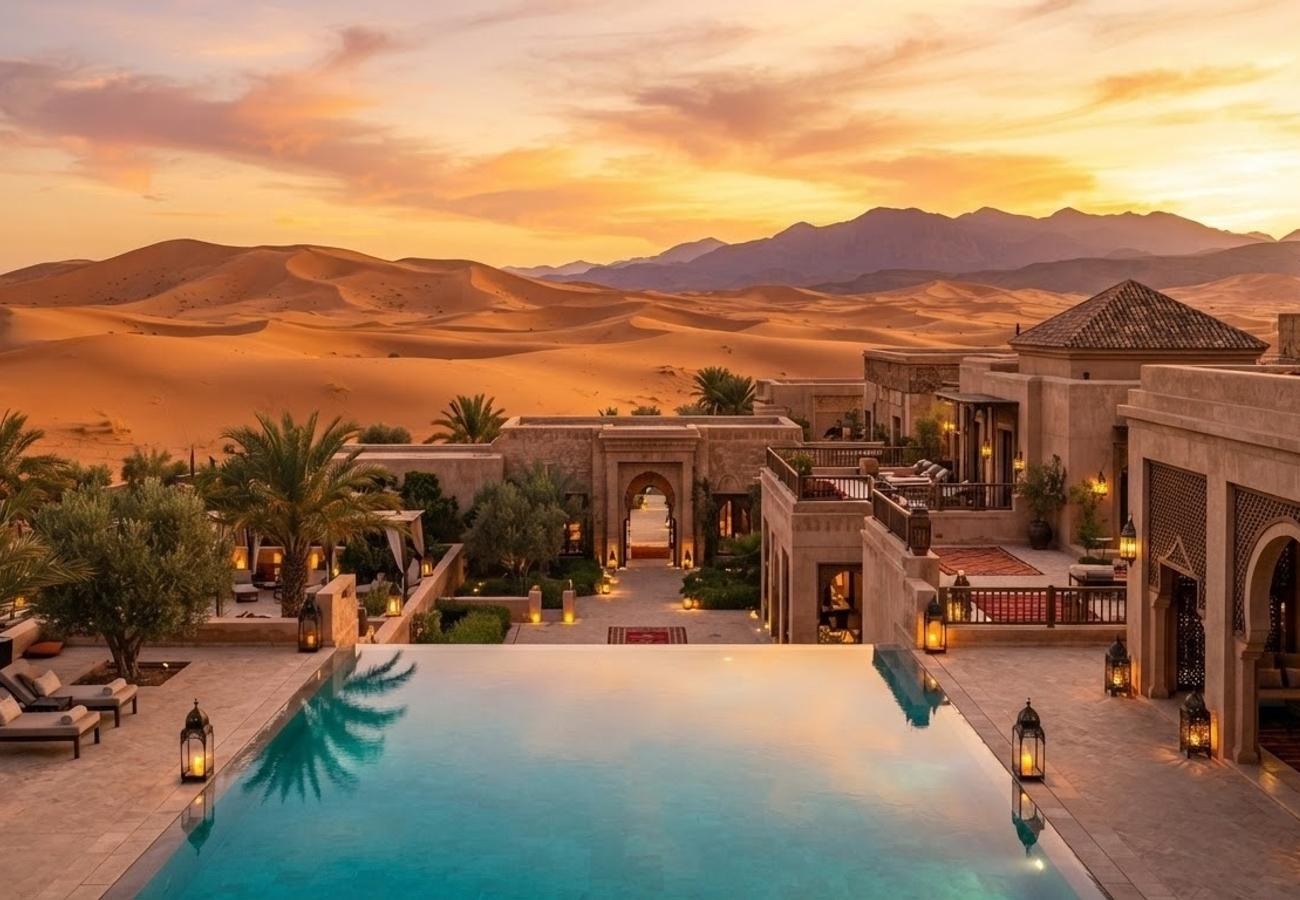
Image generated by AI
Are you planning a high-end excursion to North or Southern Africa? With the surge in experiential luxury across Morocco, Tunisia, and South Africa, navigating the logistics of these remote, heritage-focused properties requires more than a standard booking.
The Shift Toward Experiential African Luxury
The global travel market is witnessing a pivot away from standardized five-star services toward "authenticity-driven" luxury. In 2026, this trend is most visible in Africa, where hospitality is being redesigned to integrate local architecture, raw nature, and cultural heritage. Morocco and Tunisia are leading the charge in North Africa by transforming ancient construction styles and desert landscapes into premium assets, while South Africa continues to dominate the intersection of urban sophistication and wildlife conservation.
This evolution is backed by hard data. South Africa, for instance, saw 823,365 international tourists in June 2026 alone, marking a 9.8% increase over June 2025. Even more telling is the 12.1% year-on-year rise in arrivals from within the African continent, signaling a growing intra-regional demand for premium experiences. Morocco's momentum is equally strong, having welcomed 19.8 million international tourists in 2025, surpassing previous growth projections.
Route and Hospitality Specializations
Travelers targeting these regions should note that "luxury" now varies by geography. You are no longer choosing between hotel chains, but between specific environmental experiences.
| Destination | Primary Luxury Driver | Signature Experience | Regional Focus |
|---|---|---|---|
| Morocco | Heritage & Architecture | Ksar-style fortified retreats | Essaouira & Marrakech |
| Tunisia | Desert Adventure | Private Sahara villas | Grand Erg Oriental |
| South Africa | Wildlife & Vineyards | Safari lodges with nature tunnels | Cape Town & Franschhoek |
Traveler Logistics Guide
Moving between high-end urban centers and remote luxury retreats requires precise planning. Here is the operational breakdown for navigating these three markets.
Morocco: Heritage and Cultural Transit
When visiting properties like Le Jardin des Douars near Essaouira, you are moving away from the primary hubs of Marrakech and Casablanca.
- Transport Strategy: For heritage retreats, avoid standard taxis for long hauls. Arrange a private 4x4 transfer through your hotel; the roads leading to ksar-style properties can be challenging.
- Booking Tip: Morocco's tourism sector is at record capacity. Book heritage properties at least 4-6 months in advance, especially for the 2026 peak season.
- Entry Requirements: Check the latest visa regulations via the Moroccan National Tourism Office.
Tunisia: Sahara and Desert Logistics
The shift toward desert tourism, exemplified by Résidence Douz, moves the traveler far from the Mediterranean coast.
- Ground Connection: Reaching the Grand Erg Oriental typically requires a combination of a domestic flight or a long-distance drive from Tunis, followed by a specialized desert transfer.
- Activity Planning: Sahara experiences often involve camel treks and Berber-style dining. Ensure your gear is suited for extreme temperature swings between day and night.
- Customs Note: When traveling to remote desert regions, carry physical copies of your passport and hotel vouchers, as digital connectivity can be spotty outside the main villas.
South Africa: Urban to Wilderness Transitions
South Africa offers the most complex logistics due to the distance between city luxury and safari lodges.
- The Cape Town-Winelands Loop: For those staying at Mount Nelson in Cape Town or La Residence in Franschhoek, a rental car or private chauffeur is the only viable option. The distance is short, but public transport does not service the premium vineyard estates.
- Safari Logistics: Properties like Mhondoro Safari Lodge often require light aircraft transfers from major airports. Confirm your baggage weight limits strictly, as bush planes have rigid restrictions.
- Travel Documentation: Ensure your health documents are up to date. Visit the South African Department of Home Affairs for the most current entry permits.
Regional Connectivity Impact
The rise of these specialized luxury hubs is decentralizing tourism. In Morocco, the push toward regional destinations like Essaouira is successfully reducing the tourist pressure on Marrakech. In Tunisia, the development of Sahara-based hospitality is creating a secondary economy away from the saturated beach resorts of the coast.
In South Africa, the integration of "nature tunnels" and immersive wildlife architecture is shifting the safari model from "observation" to "integration." This is driving higher investment in conservation-focused resorts, where the luxury stay directly funds the protection of the rhinos and elephants guests come to see. For the traveler, this means your booking fee often includes a conservation levy, contributing to the sustainability of the ecosystem.
FAQ: African Luxury Transit 2026
Do I need a transit visa for Morocco or Tunisia? Visa requirements depend on your nationality. Most Western travelers enter Morocco visa-free for short stays, but always verify via official government portals. Tunisia generally offers visa-free entry for many tourism-focused passports.
How long are the transfers to Sahara resorts in Tunisia? Depending on your starting point, the journey to the Grand Erg Oriental can take several hours by road. It is highly recommended to coordinate a private transfer through your resort to ensure safety and reliability.
Can I check bags through to my safari lodge in South Africa? If you are using a chartered flight for the final leg of your journey, baggage is usually handled by the lodge's transfer service. However, be aware that small aircraft have strict weight limits (often 15-20kg in soft-sided bags).
What is a 'Ksar' in the context of Moroccan hotels? A ksar is a traditional fortified village. Luxury hotels based on this architecture use earthen walls and ancient layout designs to provide a culturally immersive experience while maintaining modern five-star amenities.
Plan your itinerary around the experience, not the brand, to truly unlock the new era of African hospitality.
Related Travel Guides
Disclaimer
This article is for informational and educational purposes only. It does not constitute legal, financial, or professional advice. While we strive to provide accurate and up-to-date information, travel policies, regulations, and conditions change rapidly. Always verify information with official sources before making travel decisions. Nomad Lawyer makes no representations about the accuracy, reliability, completeness, or suitability of the information provided. Readers should consult qualified professionals for advice specific to their circumstances. The views expressed in this article are those of the author and do not necessarily reflect the views of Nomad Lawyer.
Naina Thakur
Contributor & Travel Specialist
Travel enthusiast and legal writer covering visa regulations, responsible tourism, and cultural journeys across global destinations.
Learn more about our team →