
Montreal Ranks 6th Best Big City Globally in 2026 Condé Nast Traveler Readers' Choice Awards
Montreal has outperformed global giants like Paris and Singapore to secure a top 10 spot in the 2026 Condé Nast Traveler awards, cementing its status as Canada's premier urban destination.

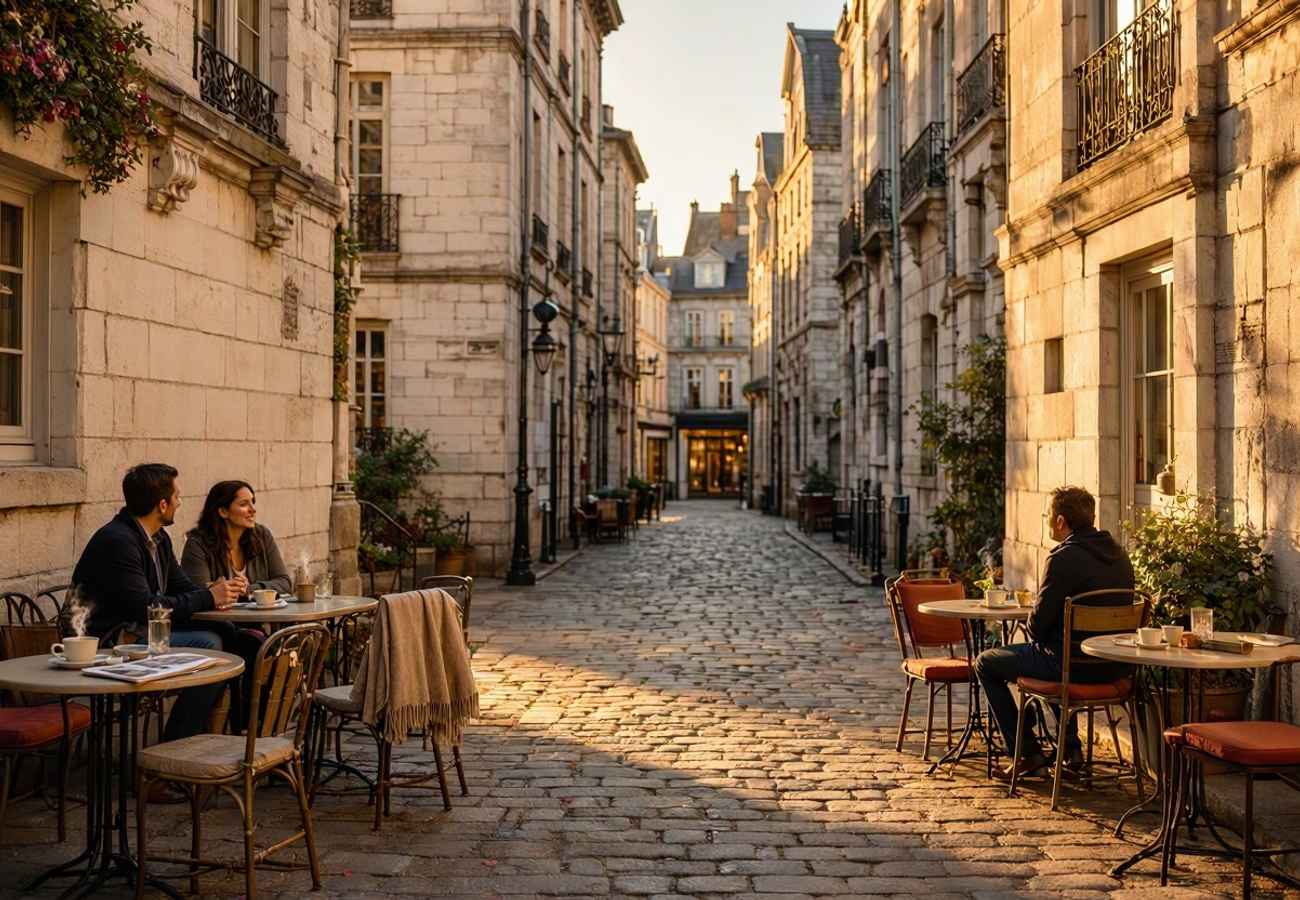
Image generated by AI
Montreal has officially outranked global tourism titans including Paris, Kyoto, and Singapore to secure the number six spot among the world's best big cities for 2026. This ranking, determined by the Condé Nast Traveler Readers' Choice Awards, saw nearly 800,000 travelers cast their votes, making Montreal the only Canadian city to break into the top 10 of the large-city category.
The Shift Toward Experiential Urbanism
The 2026 rankings signal a clear change in how global travelers perceive "world-class" cities. While Seoul, South Korea, took the top spot globally, Montreal's ascent to sixth place suggests that visitors are moving away from checklist-style sightseeing. Instead, they are seeking destinations where the "experience" is woven into the fabric of the city—through its neighborhoods, street-level gastronomy, and the intersection of old-world charm and modern energy.
Montreal's success is not tied to a single monument but to a decentralized appeal. The city competes with heavyweights like Cape Town and Singapore by offering a multidisciplinary journey where a visitor can transition from a 17th-century stone alleyway to a cutting-edge contemporary art gallery within a single afternoon.
What Makes Montreal Different
Montreal occupies a unique psychological space in North America. It provides a European sensory experience—cobbled streets, pavement cafés, and a deep-rooted café culture—without requiring a transatlantic flight for those based in the Americas. This hybrid identity allows it to maintain the scale and diversity of a modern metropolis while preserving an intimate, walkable human scale in its heritage districts.
The city's allure is split between two distinct personalities: the historic preservation of the south and the creative, avant-garde energy of its surrounding boroughs. This duality ensures that the city appeals to a wide spectrum of travelers, from history buffs and architects to foodies and nightlife seekers.
Local Logistics and Visitor Data
For those planning a visit to Canada's top-ranked big city, understanding the distribution of attractions and the scale of the city is essential.
| Category | Highlight | Best For | Local Vibe |
|---|---|---|---|
| Historic Core | Old Montreal | Architecture & History | European, romantic, walkable |
| Gastronomy | Neighborhood Cafés | Culinary Exploration | Diverse, social, terrace-heavy |
| Nature | Urban Parks | Relaxation & Local Life | Quiet, green, community-focused |
| Culture | Independent Galleries | Arts & Nightlife | Creative, edgy, contemporary |
Visitor Insider Tips
Having spent significant time navigating the rhythms of Quebec, I can tell you that the "tourist map" only scratches the surface. To experience Montreal like a local:
- The "Terrasse" Ritual: During the warmer months, the city transforms. Do not dine inside; seek out the outdoor terraces. This is where the social heart of the city beats.
- Walk the Transition: Start your day in Old Montreal to soak in the stone architecture, but then intentionally walk toward the more contemporary districts. The transition between the 17th century and the 21st century is the most rewarding part of the journey.
- Beyond the Main Drag: Avoid spending all your time in the commercial centers. The true personality of Montreal is found in the independent shops and small galleries tucked away in residential neighborhoods.
- Transport Hack: While the city is walkable, utilize the Société de transport de Montréal (STM) for efficient movement between boroughs, allowing you to cover more ground without fatigue.
Cultural and Environmental Context
Montreal's rise in global rankings brings both prestige and pressure. The city faces the ongoing challenge of balancing high-volume international tourism with the preservation of its local identity. In Old Montreal, the tension between maintaining a living neighborhood and catering to a global visitor base is evident.
However, the city's commitment to green spaces and walkable urbanism serves as a model for sustainable city growth. By prioritizing parks and pedestrian-friendly zones, Montreal manages to absorb millions of visitors while maintaining a quality of life for its residents. For those interested in the broader Canadian context of sustainable travel, exploring Destination Canada provides insight into how the country balances ecological preservation with urban expansion.
FAQ: Visiting Montreal 2026
What is the best time to visit Montreal? Late spring (May to June) and early autumn (September to October) offer the most pleasant weather for walking. Winter is magical for festivals but requires heavy gear.
Is Montreal safe for solo travelers? Yes, Montreal is widely regarded as one of the safest large cities in North America, with a welcoming culture and reliable public transportation.
Do I need to speak French to get around? While Montreal is a bilingual city and English is widely spoken in tourist areas, learning basic French greetings is highly appreciated by locals and enhances the experience.
How do I get to Montreal from other Canadian cities? The city is well-connected via Pierre Elliott Trudeau International Airport and an extensive network of trains and buses connecting it to Toronto and Ottawa.
A city that proves you don't need a passport to Europe to find a cobblestone soul.
Related Travel Guides
Disclaimer
This article is for informational and educational purposes only. It does not constitute legal, financial, or professional advice. While we strive to provide accurate and up-to-date information, travel policies, regulations, and conditions change rapidly. Always verify information with official sources before making travel decisions. Nomad Lawyer makes no representations about the accuracy, reliability, completeness, or suitability of the information provided. Readers should consult qualified professionals for advice specific to their circumstances. The views expressed in this article are those of the author and do not necessarily reflect the views of Nomad Lawyer.
Kunal K Choudhary
Co-Founder & Contributor
A passionate traveller and tech enthusiast. Kunal contributes to the vision and growth of Nomad Lawyer, bringing fresh perspectives and driving the community forward.
Learn more about our team →