
Moldova Emerges as Europe's Fastest-Growing Destination: Inside the Wine Cellars, Rural Revival, and 2026 Tourism Boom

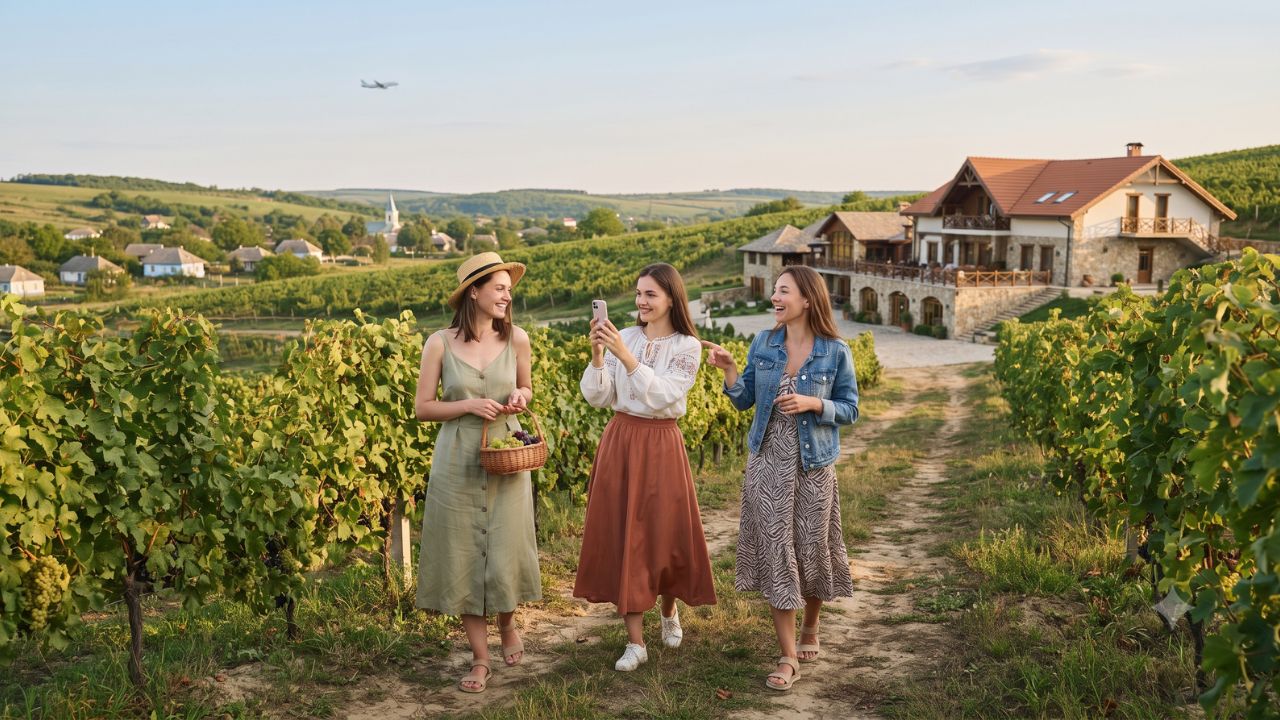
While global international tourism crept forward by an anemic 0.4% in the first half of 2026, a tranquil, landlocked nation in Eastern Europe blew past established continental powers with a 25% surge in overseas arrivals. According to official monitoring from UN Tourism, the Republic of Moldova led Europe in percentage visitor growth between January and June, registering approximately 159,600 foreign guests in licensed accommodations—a 24.7% annual jump. Backed by a newly approved MDL 618.2 million national development master plan, Moldova is pairing world-record subterranean wine cellars and medieval cave monasteries with community-led eco-tourism grants, providing independent travelers with an uncrowded, deeply authentic alternative to overcrowded Western European capitals.
The MDL 618.2 Million Blueprint Behind Europe's Growth Leader
Moldova’s dramatic emergence as Europe's top percentage growth market marks a deliberate government effort to turn curiosity into permanent visitor infrastructure. In June 2026, the Moldovan government formally enacted the Turism 2029 National Tourism Development Programme, allocating MDL 618.2 million through 2029 to modernize rural facilities, digitalize visitor services, and train local hospitality professionals. State economists estimate the multi-year investment will create approximately 5,000 new tourism-related jobs across provincial districts.
To prevent tourist concentration within Chișinău—which currently hosts 75.2% of all registered guest stays—the National Tourism Office of the Republic of Moldova introduced the Sustainable Tourism 2026 grant program in June. The fund awards direct grants of up to MDL 750,000 to non-commercial community organizations, financing rural hiking markers, artisan craft workshops, and digital audio tours. At the national Tourism Forum in September 2026, authorities unveiled mobile navigation tools and AI-driven itinerary planners designed to disperse travelers along the historic Wine Road of Moldova and into secluded Dniester river valley villages.
This regional surge reflects a broader European movement where destinations outside traditional tourism corridors are capturing high-yield travel demand through focused investments and expanded air connectivity:
| Country & National Campaign | 2026 Reported Performance | Key Funding & Strategic Milestone | Primary Visitor Experience Focus |
|---|---|---|---|
| Moldova (Turism 2029) | Foreign arrivals +25% in H1 2026 | MDL 618.2M budget; MDL 750K local grants | Underground wine cities, rural farmsteads, cave monasteries. |
| Ireland (Ireland Unrushed) | 3.24M visits (+15% YoY; €2.6B spend) | €71.43M overseas marketing; €400M capital | Wild Atlantic Way, slow travel, direct Dublin–Shanghai route. |
| Greece (Tourism for All) | 13.49M visitors (+15.4%; €8.8B spend) | Road arrivals up 49.3%; 1.15M voucher applicants | Off-season travel, mountain ski hubs, smaller Ionian islands. |
| Malta (Transatlantic Links) | 2.62M visitors (+18.6%; €2.33B spend) | New direct New York flights; Blue Lagoon care | Heritage city breaks, premium hospitality, coastal protection. |
Promoted internationally by Tourism Ireland, Ireland’s Ireland Unrushed campaign and €71.43 million promotional budget drove €2.6 billion in first-half tourist receipts. Simultaneously, Greece recorded 13.49 million travelers—spurred by a 49.3% explosion in cross-border road arrivals and 1.15 million applicants for domestic holiday vouchers—while Visit Malta leveraged new direct New York flight connections to expand visitor spending to €2.33 billion.
What Sets Moldova Apart: Subterranean Cities and Living Traditions
Moldova offers a cultural experience that feels centuries removed from mass-market European tourism. The country sits atop massive underground limestone quarries that were transformed decades ago into the world's most expansive subterranean wine storehouses.
At Mileștii Mici, travelers navigate over 200 kilometers of underground limestone galleries holding nearly two million bottles—certified by Guinness World Records as the largest wine collection on Earth. Nearby Cricova functions as an underground city with 120 kilometers of paved subterranean streets named Cabernet and Sauvignon, where vintage electric carts glide past historic private reserves and ornate underground tasting halls.
Above ground, the Orheiul Vechi Archaeological Complex provides a profound spiritual encounter. Overlooking a winding horseshoe bend of the Răut River, 13th-century Orthodox monks carved cave monasteries directly into vertical limestone cliffs. Today, solitary monks still light beeswax candles before ancient stone icons, while the adjacent villages of Butuceni and Trebujeni preserve traditional peasant architecture with sky-blue carved wooden gates, hand-woven reed fences, and outdoor clay ovens.
Visitor Insider Tips: Exploring Moldova Like an Insider
- Book Subterranean Cellar Tastings Weeks Ahead: Do not arrive at Cricova, Mileștii Mici, or Castel Mimi expecting walk-in access. Subterranean cellar tours require advance digital bookings. Request tastings featuring indigenous grape varietals like Fetească Neagră (rich blackberry and spice notes) and Rară Neagră, paired with regional cheeses and walnut bread.
- Base Yourself in Butuceni for Rural Immersion: While Chișinău offers Soviet modernist monuments and leafy parks, spend at least two nights at a traditional rural pension in Butuceni. Wake up to crowing roosters, watch storks nesting atop telegraph poles, and feast on hot mămăligă (yellow polenta topped with salty sheep's milk brânză and rich sour cream).
- Feast on Fresh Plăcinte at Roadside Bakeries: Moldova's signature comfort food is plăcintă—flaky, golden-fried pastry stuffed with sweet curd cheese, grated pumpkin, sour cherries, or dill-flecked potatoes. Order them piping hot at village bakeries along the M2 highway rather than at tourist restaurants.
- Ride the Soviet-Era Chisinau Trolleybuses: Navigating central Chișinău is effortless and affordable. Board electric trolleybuses along Stefan cel Mare Boulevard for just 6 Moldovan Lei (approx. US$0.35), paying the conductor directly with small cash or tapping contactless debit cards.
- Experience National Wine Day in October: If timing your trip for autumn, visit during the first weekend of October when central Chișinău hosts the National Wine Day festival. Dozens of artisan winemakers gather in the central square, accompanied by traditional hora circle dancing, live fiddle folk ensembles, and open-air grilled meats.
Cultural and Environmental Context: Safeguarding Rural Heritage
Moldova’s tourism development prioritizes community preservation over rapid commercialization. In historic villages across the Codru forest region, rural depopulation has challenged traditional agricultural life. The Sustainable Tourism 2026 grant program specifically revitalizes multi-generational family homesteads into licensed agro-guesthouses, providing rural families with dependable income while keeping traditional weaving, woodcarving, and clay pottery crafts alive.
Environmental stewardship is integral to this rural revival. Moldova’s wine estates increasingly practice organic biodynamic viticulture, avoiding harsh pesticides to protect fertile black chernozem soils and delicate bee populations. Furthermore, designated eco-trails through Orhei National Park adhere to strict leave-no-trace guidelines, ensuring that growing international footfall does not disturb limestone cliffs that shelter rare eagle owls and migratory steppe raptors.
FAQ: Traveling to Moldova in 2026–2027
Do Western travelers need a visa to visit Moldova?
Citizens of the United States, Canada, the United Kingdom, and the European Union can enter Moldova visa-free for tourism stays of up to 90 days within any 180-day period.
What is the best time of year to visit Moldova?
May through June brings warm, sunny weather and blooming countryside flora, while September and October offer harvest season, autumn foliage, and vibrant National Wine Day celebrations.
How do travelers get to Moldova's famous underground wine cellars?
Mileștii Mici and Cricova sit just 15 to 30 minutes outside Chișinău, accessible via pre-arranged private car transfers, local taxis, or organized winery shuttle buses.
Is Moldova safe for solo independent travelers?
Yes. Moldova has low violent crime rates and an exceptionally warm culture of hospitality. English is widely spoken among younger locals in Chișinău and at major wineries.
Where candle-lit cave chapels overlook quiet river bends and ancient vines take root in rich black earth, Moldova welcomes travelers into Europe's best-kept secret.
Related Travel Guides
Disclaimer
This article is for informational and educational purposes only. It does not constitute legal, financial, or professional advice. While we strive to provide accurate and up-to-date information, travel policies, regulations, and conditions change rapidly. Always verify information with official sources before making travel decisions. Nomad Lawyer makes no representations about the accuracy, reliability, completeness, or suitability of the information provided. Readers should consult qualified professionals for advice specific to their circumstances. The views expressed in this article are those of the author and do not necessarily reflect the views of Nomad Lawyer.
Raushan Kumar
Founder & Lead Developer
Full-stack developer with 11+ years of experience and a passionate traveller. Raushan built Nomad Lawyer from the ground up with a vision to create the best travel and law experience on the web.
Learn more about our team →