
Mississippi Targets Culinary Tourism Growth via 2027 Rose Parade Push Following Record 45.5M Visitors
Mississippi leverages the 138th Rose Parade to pivot its global marketing strategy toward culinary tourism, following a record-breaking 2025 season that saw $12.4 billion in direct visitor spending.

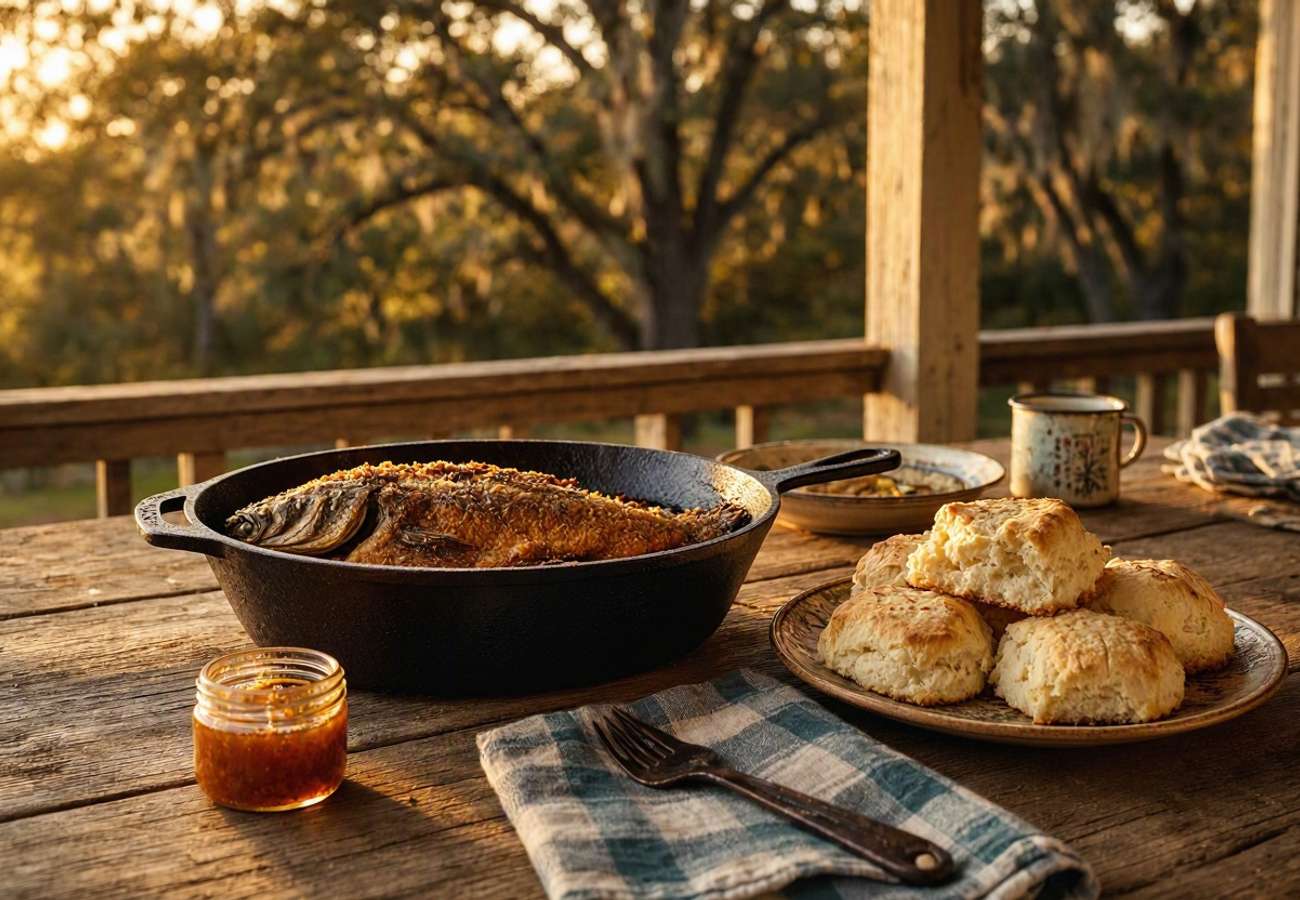
Image generated by AI
Mississippi welcomed a record 45.5 million visitors in 2025, generating $12.4 billion in direct spending—a surge that provides the financial and data-driven momentum for the state's aggressive 2027 marketing expansion. By securing a third consecutive appearance in the Rose Parade, Visit Mississippi is shifting from broad cultural awareness to a high-conversion "culinary tourism" model designed to capture specific traveler segments.
The Culinary Pivot in Numbers
The state's decision to center its 2027 campaign on "Mississippi Where Hospitality is Always on the Menu" is not a random choice but a strategic response to the growth of the global food tourism market. According to the World Tourism Organization (UNWTO), gastronomy is now a primary driver for destination selection, often outweighing traditional sightseeing.
Mississippi is leveraging a massive platform to capitalize on this. The 138th Rose Parade, scheduled for January 1, 2027, at 8:00 AM in Pasadena, California, serves as a global billboard. The parade spans 5.5 miles, beginning near Green Street and Orange Grove Boulevard and proceeding along Colorado Boulevard. For Visit Mississippi, the goal is to convert the attention of 850,000 physical attendees and millions of digital viewers into actual arrivals.
The economic stakes are high. In 2025, the state's tourism sector contributed approximately $18.9 billion to the total economy, supported by 137,728 jobs and $1.2 billion in tax revenue. By pivoting to food, the state aims to diversify the "reason to visit," ensuring that growth is not dependent on a single attraction but spread across regional culinary hubs.
Comparative Strategy: 2025–2027
Mississippi has treated the Rose Parade as a phased brand rollout. Rather than repeating a single message, the state has deployed a three-year thematic sequence to build a multi-layered destination identity. This prevents "marketing fatigue" and attracts different traveler personas each year.
| Year | Campaign Theme | Primary Tourism Driver | Target Audience |
|---|---|---|---|
| 2025 | Music Heritage | Blues, Rock & Roll, Gospel | Music Historians & Fans |
| 2026 | Creative Culture | Literature, Film, Visual Arts | Art & Academic Travelers |
| 2027 | Hospitality & Food | Southern Cuisine & Gastronomy | Foodies & Experiential Travelers |
This progression shows a move from "passive" cultural heritage (listening to music) to "active" experiential tourism (tasting regional food). By 2027, the state is targeting the high-spend "foodie" demographic, which typically spends more on local lodging and boutique experiences than the average sightseeing tourist.
What This Means for Travelers
For the individual traveler, this shift indicates a significant investment in the state's culinary infrastructure. If you are planning a trip to the American South in 2027, expect a more curated "food trail" experience.
- Regional Diversification: Travelers should look beyond the major cities. The push for culinary tourism means increased promotion of the Mississippi Delta (catfish and Delta cooking), the Gulf Coast (seafood), and Natchez (heritage dining).
- Integrated Itineraries: Data suggests that food tourism acts as a "bridge." A trip centered on Southern comfort food or tamales is likely to lead to visits at civil rights museums in Jackson or literary sites in Oxford.
- Booking Windows: Given the record-breaking visitor counts of 45.5 million in 2025, high-demand periods (specifically around the Rose Parade's January 1st window and spring breaks) will likely see tighter hotel availability. Booking 12-16 weeks in advance for boutique stays in Oxford or Natchez is recommended.
Projecting the Gastronomy Trajectory
Based on current IATA trends regarding domestic travel patterns and the state's own growth metrics, Mississippi is positioning itself to move from a "secondary" destination to a "primary" culinary hub. The strategic use of the Rose Parade's "Welcome" theme for 2027 aligns the state's brand with the global trend of "slow travel," where the focus is on authentic local interaction rather than checklist tourism.
The long-term trajectory suggests that Mississippi will likely integrate these three pillars—music, art, and food—into a unified "Cultural Circuit." This would allow the state to maintain the momentum of its $18.9 billion economic contribution by encouraging longer average lengths of stay.
FAQ: Mississippi Tourism 2027
Will hotel prices in Mississippi increase due to this promotion? Likely yes, specifically in culinary hubs like Oxford and the Gulf Coast. As the state targets a higher-spending "foodie" demographic, demand for boutique accommodations will rise, potentially driving up peak-season rates.
Which regions offer the most diverse food options? The Gulf Coast specializes in seafood, while the Mississippi Delta is the center for catfish and traditional Southern comfort food. Jackson and Oxford provide a blend of contemporary Southern cuisine and historic eateries.
Is the 2027 Rose Parade a good time to visit Mississippi? While the parade is in California, the surrounding January period is a great time to experience "comfort food" tourism. However, check local weather patterns for the Delta and Gulf regions before booking.
From blues notes to biscuits, Mississippi is systematically rebranding itself as a multi-sensory destination.
Related Travel Guides
Disclaimer
This article is for informational and educational purposes only. It does not constitute legal, financial, or professional advice. While we strive to provide accurate and up-to-date information, travel policies, regulations, and conditions change rapidly. Always verify information with official sources before making travel decisions. Nomad Lawyer makes no representations about the accuracy, reliability, completeness, or suitability of the information provided. Readers should consult qualified professionals for advice specific to their circumstances. The views expressed in this article are those of the author and do not necessarily reflect the views of Nomad Lawyer.
Naina Thakur
Contributor & Travel Specialist
Travel enthusiast and legal writer covering visa regulations, responsible tourism, and cultural journeys across global destinations.
Learn more about our team →