
2027 Miramis Maps: Luxury Expansion Linking Italy and Sweden
Luxury hospitality brand Miramis unveils coordinated 2027 expansion roadmap connecting Tuscan estates with Stockholm cultural districts. The emerging operator blends gastronomy, wellness and heritage tourism across Mediterranean and Nordic markets.

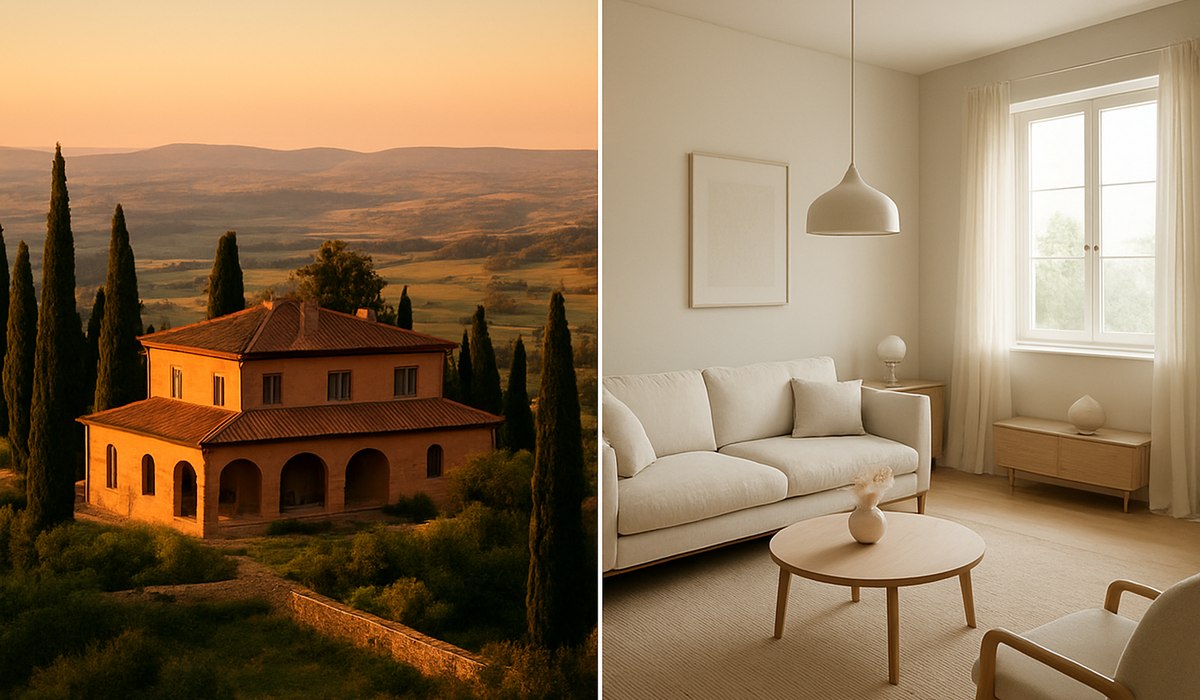
Image generated by AI
Emerging Luxury Brand Accelerates Cross-Border Growth Strategy
Miramis, a rising force in European luxury hospitality backed by Swedish holding company Qarlbo AB, has officially unveiled its ambitious 2027 miramis maps—a coordinated expansion blueprint spanning Italy and Sweden. The initiative repositions the brand beyond its Tuscan foundation, linking Mediterranean countryside estates with Stockholm's cultural neighborhoods. Through 2027, Miramis plans to open and reimagine properties centered on gastronomy, wellness and immersive cultural tourism. This cross-border strategy reflects a pivotal shift in high-end European travel, where boutique operators are targeting secondary regions and heritage districts rather than only capital-city prestige addresses. The expansion affects travelers seeking personalized, experience-driven luxury across two distinct geographic markets with shared design philosophy and culinary excellence.
From Tuscan Roots to Nordic Expansion: Miramis's Cross-Border Strategy
Miramis has methodically built its foundation in Southern Tuscany near Argentario, with early projects including LA ROQQA hotel and Isolotto Beach Club establishing the brand's identity around elevated design and regional authenticity. The 2027 miramis maps strategy now extends this proven model northward into Scandinavia, creating a continental network that bridges Mediterranean leisure culture with Nordic minimalist design sensibilities.
This geographic pairing is intentional. While most luxury hospitality groups concentrate investment in single regions, Miramis positions itself as a connector between distinct European markets. The Tuscan portfolio emphasizes slow travel, agricultural immersion and seasonal gastronomy—elements increasingly valued by affluent travelers seeking escape from conventional tourism. The Stockholm expansion introduces heritage restoration and cultural district positioning, appealing to urban explorers and design-conscious visitors. Together, the 2027 miramis maps framework allows Miramis to diversify revenue streams while maintaining cohesive brand identity across 1,500 kilometers. Learn more about luxury hospitality trends at Hospitality Design Magazine.
La Capitana and the Slow Travel Model in Tuscany
At the core of Miramis's Italian expansion sits La Capitana, a countryside estate in Magliano destined to redefine agritourism through 2027. This working agricultural retreat combines olive oil production, vineyard operations and a curated number of guest suites within a renovated rural complex designed by Italian architect Marco Casamonti. The property embodies the slow travel philosophy gaining traction among luxury travelers fatigued by standard resort models.
La Capitana will feature contemporary interpretations of traditional Tuscan farmstead architecture, emphasizing low-impact construction and landscape integration. Guests will access estate-grown wines and oils directly, participate in seasonal culinary programs and engage nature-focused wellness experiences. This model positions La Capitana as proof of concept for Miramis's agritourism thesis—that intimate, food-led rural retreats command premium pricing while generating meaningful economic activity in depressed countryside areas. The property aligns with broader European trends toward regenerative tourism and farm-to-table authenticity. Discover more about Tuscan travel at Visit Tuscany.
Consolidating the Argentario Coast: Gastronomy and Wellness Integration
Along the Tuscan coastline, Miramis is deepening its Argentario footprint through strategic refurbishment and new development. LA ROQQA established the brand's mid-20th-century Italian aesthetic, while Isolotto Beach Club transformed a stretching shoreline into a curated dining and social destination. The next wave includes Hotel Torre di Cala Piccola renovation near Porto Santo Stefano and the Ex-Cirio urban regeneration project in Argentario port.
This cluster strategy enables Miramis to cross-program culinary talent, wellness practitioners and cultural programming across multiple properties within close proximity. Guests can seamlessly move between coastal leisure, spa services and design-led hospitality within a compact Mediterranean zone. The 2027 miramis maps coastal strategy reflects Italy's tourism evolution from purely seasonal seaside commerce toward year-round, experience-centric travel. By emphasizing Michelin-level gastronomy, advanced wellness offerings and locally rooted cultural events, Miramis positions Argentario as a destination where coastal leisure merges with contemporary hospitality and health-focused retreats.
Stockholm Flagship and the Secondary Cities Play
Beyond Italy, Miramis's Nordic expansion centers on Stockholm's historic districts, with Hotel Hasselbacken on Djurgården emerging as the Swedish flagship. This heritage property undergoes significant transformation retaining period character while updating guest rooms, public spaces and food and beverage concepts to align with Miramis's contemporary luxury standards. Additional Stockholm projects including Backstage Hotel and Cirkus Arena expand the brand's entertainment and cultural ecosystem.
This Stockholm strategy departs from traditional luxury hospitality's capital-city fixation. Rather than concentrating solely on the city center, Miramis locates properties within historic and cultural neighborhoods where heritage tourism and design-conscious travelers congregate. The 2027 miramis maps positioning treats Stockholm as the Nordic anchor connecting regional secondary markets and cultural attractions. This approach mirrors successful European luxury models where boutique operators achieve higher margins and guest loyalty through neighborhood positioning rather than mass-market density. Explore Stockholm travel insights at Visit Stockholm.
What This Shift Means for Luxury Travel in Europe
The 2027 miramis maps expansion signals broader transformation in how affluent European travelers access hospitality. Rather than gravitating exclusively toward Paris, Rome or London flagships, luxury travelers increasingly seek immersive, regionally specific experiences combining heritage, gastronomy and wellness. Miramis's dual-market strategy directly addresses this preference.
Travelers benefit from expanded access to authentic Mediterranean and Nordic experiences without sacrificing design quality or service standards. The brand's emphasis on agricultural immersion, local sourcing and cultural integration means guests engage genuine regional contexts rather than polished simulacra. The Tuscan portfolio attracts wellness-focused travelers seeking digital detox and farm-to-table experiences, while Stockholm properties appeal to culturally curious urban explorers. The 2027 miramis maps framework creates a loyalty ecosystem where guests can experience Miramis's design language and service standards across geographically distinct markets, building brand affinity through repeated engagement. This cross-border approach ultimately benefits the European destinations themselves by distributing tourism spending beyond traditional hotspots into secondary regions and cultural districts that generate sustainable local economic benefits.
Key Data Table: Miramis Expansion Portfolio Through 2027
| Property | Location | Type | Status | Opening/Completion |
|---|---|---|---|---|
| LA ROQQA | Argentario, Tuscany | Coastal Hotel | Operational | Established |
| Isolotto Beach Club | Argentario, Tuscany | Beach & Dining | Operational | Established |
| La Capitana | Magliano, Tuscany | Agritourism Estate | In Development | 2027 |
| Torre di Cala Piccola | Porto Santo Stefano | Coastal Resort | Renovation | 2027 |
| Ex-Cirio | Argentario Port | Urban Wellness | Development | 2026-2027 |
| Hotel Hasselbacken | Djurgården, Stockholm | Heritage Flagship | Transformation | 2027 |
| Backstage Hotel | Stockholm City | Entertainment Hotel | Integration | 2027 |
| Cirkus Arena | Stockholm | Cultural District | Development | 2027 |
What This Means for Travelers: Five Actionable Takeaways
- Book Early for La Capitana: The 2027 opening
Disclaimer
This article is for informational and educational purposes only. It does not constitute legal, financial, or professional advice. While we strive to provide accurate and up-to-date information, travel policies, regulations, and conditions change rapidly. Always verify information with official sources before making travel decisions. Nomad Lawyer makes no representations about the accuracy, reliability, completeness, or suitability of the information provided. Readers should consult qualified professionals for advice specific to their circumstances. The views expressed in this article are those of the author and do not necessarily reflect the views of Nomad Lawyer.
Preeti Gunjan
Contributor & Community Manager
A passionate traveller and community builder. Preeti helps grow the Nomad Lawyer community, fostering engagement and bringing the reader experience to life.
Learn more about our team →