
Italy Court Rules Hotels Don't Have to Serve Free Tap Water
Italy's highest court ruled that hotels and restaurants have no legal obligation to provide free tap water. Here's what this means for European travelers and hospitality rights.

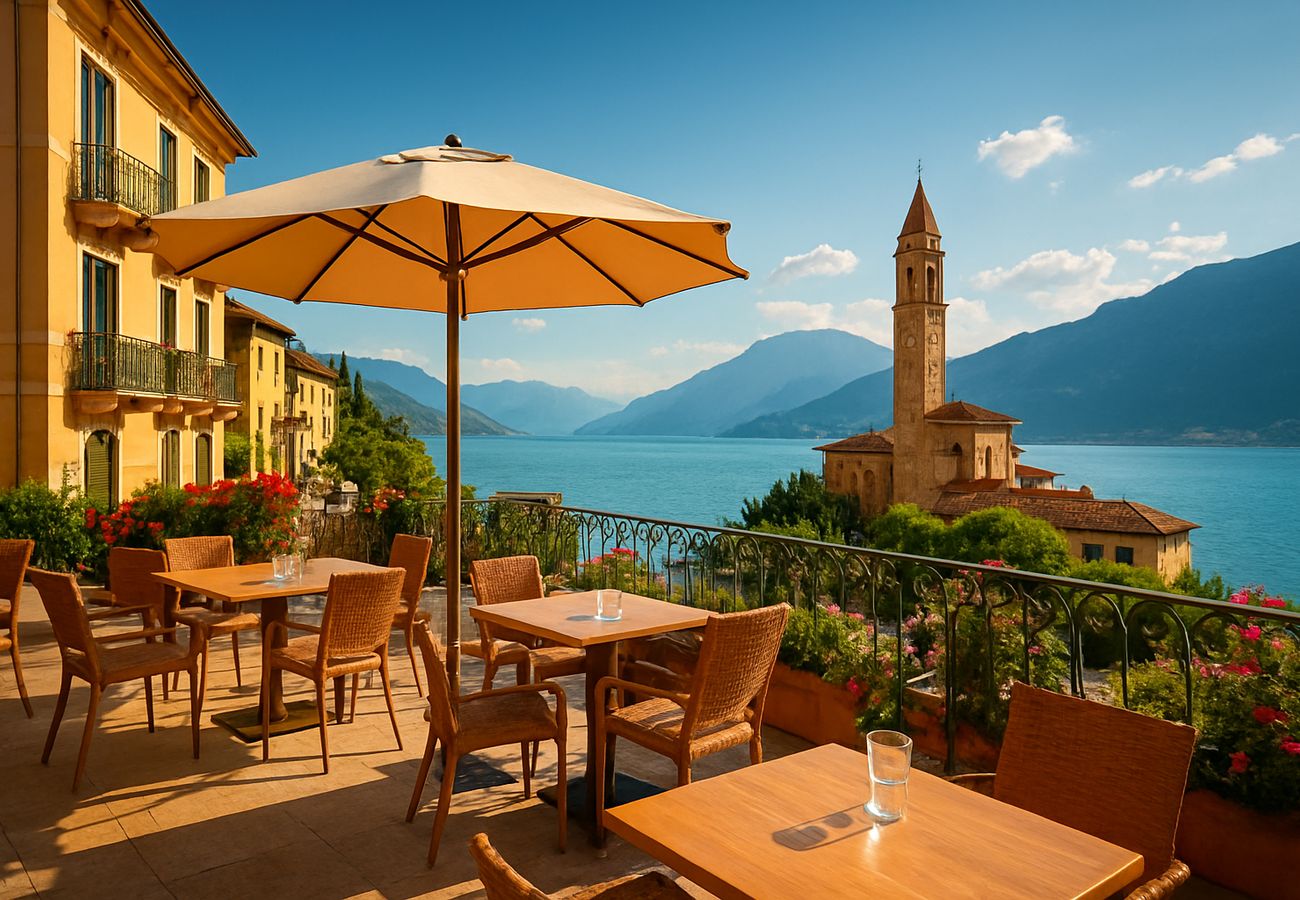
Image generated by AI
A five-star hotel in the Italian Dolomites just became ground zero for one of Europe's most unexpected legal battles. What started as a simple request for tap water during a New Year's meal escalated all the way to Italy's Court of Cassation — and the ruling has quietly reshaped how we should think about hotel service expectations across the continent.
The verdict? Hotels and restaurants have no legal obligation to serve free tap water.
How A Luxury Ski Resort Stay Became A Courtroom Drama
The dispute originated at Hotel Sassongher in Corvara, a prestigious five-star property nestled in the Dolomites. During the 2020 New Year holiday period, a guest made what she assumed was a routine request: tap water during her meal. Instead, staff offered bottled mineral water.
The guest wasn't satisfied. She didn't accept the substitute and filed a legal claim seeking damages. Not a small complaint — over €2,700 in compensation. Her argument was straightforward: water should be treated as a basic necessity, not a revenue-generating extra.
What happened next was unprecedented. The case wound through Italy's judicial system, climbing higher and higher, until it reached the nation's supreme court.
Reddit: "I've stayed in European hotels for years and always assumed tap water came with the meal. Now I find out it's actually optional? This changes everything." — r/travel
The Supreme Court's Unexpected Decision
The Court of Cassation delivered its final judgment with remarkable clarity: Italian law does not require hotels or restaurants to serve tap water on request. Lower courts had already reached the same conclusion, and the supreme court upheld their decisions without breaking new legal ground.
The ruling reinforced a critical principle: under Italian hospitality law, businesses maintain discretion over beverage services. They can choose to offer tap water — or not. Consumer protection rules still apply, but they don't dictate what must be included with meals.
This wasn't a narrow technical decision. It was a full legal acknowledgment that tap water provision falls outside mandatory hospitality obligations in Italy.
The Legal Framework That Made This Possible
The court's reasoning focused on how Italian law actually defines hospitality obligations. The claimant had argued that water is a fundamental human need and should be universally accessible. The judges disagreed — not on ethical grounds, but on legal ones.
Their key findings:
- No explicit legal duty requires free tap water in hospitality venues
- Restaurants and hotels retain discretion over beverage service structures
- Consumer protection rules exist, but don't dictate menu composition
- Previous lower court rulings were fully confirmed
- The decision is final and binding under Italian jurisprudence
The court effectively drew a sharp line between what feels right morally and what the law actually requires. In this case, the law stayed silent.
Europe's Fragmented Tap Water Standards
Here's where this gets complicated for international travelers. The EU Drinking Water Directive encourages member states to improve access to drinking water in public spaces and hospitality environments. But encouragement isn't obligation. The directive specifically stops short of mandating free tap water service in restaurants or hotels.
Across Europe, expectations vary wildly. Some countries consider tap water a standard inclusion. Others leave it entirely to business discretion. Germany? You'll often pay for it. France? Sometimes included. Spain? It depends on the region and establishment.
This fragmentation creates a real problem for travelers. We cross borders expecting consistency. But hospitality rules are set nationally, not continentally. What's standard in one country becomes optional in another.
What This Means For Your Next Hotel Stay
The Italian ruling has immediate practical implications. International visitors moving through Italy — and increasingly, the wider European region — need to recalibrate their expectations about service norms.
The decision also exposes a communication gap. Hotels benefit from transparency about what's included in meal service and what isn't. Ambiguity creates the exact disputes that end up in courtrooms.
Key takeaways for travelers:
- Don't assume tap water is automatically included with meals in Italy
- Service expectations across Europe are more fragmented than you think
- Hotels and restaurants maintain substantial flexibility in beverage offerings
- Differences between countries can catch you off guard
- National legal systems, not guest assumptions, define hospitality obligations
Reddit: "This ruling just made me realize I've been operating on vibes and hope instead of actual European hospitality law. Time to ask before assuming." — r/hotels
The Broader Hospitality Battle: Law Versus Expectations
The tap water case reveals a fundamental tension in modern hospitality. There's what guests feel should be included versus what law actually requires. Italian hospitality regulation keeps this balance firmly rooted in written statutes, not informal customs.
The Court of Cassation essentially said: if a service isn't explicitly mandated by law, businesses get to decide whether to offer it. This approach prioritizes commercial freedom and operational flexibility over implied service standards.
For travelers, this is both liberating and unsettling. It's liberating because it explains why service varies so much. It's unsettling because it means you can't rely on universal hospitality norms across Europe.
Why This Ruling Traveled Beyond Italy
The decision matters far beyond Italian borders. It establishes a legal precedent that other European nations are watching closely. If Italy's highest court says tap water provision isn't mandatory, what does that mean for EU Drinking Water Directive enforcement elsewhere?
More importantly, it signals how European courts interpret hospitality obligations. The ruling suggests that unless a service is explicitly written into law, hospitality businesses retain near-complete discretion over offerings.
This legal framework affects everything from beverage service to amenities to room features. If water isn't guaranteed, what else might you be assuming about your hotel experience?
The Practical Reality For Hotel Operators
The ruling gives hotels significant operational flexibility. Under Italian law, businesses can structure their beverage services however they want — paid, complimentary, limited, unlimited. This creates opportunities for revenue generation but also for service differentiation.
Smart hotels are using this flexibility strategically. Some include tap water as a hospitality touch. Others monetize it. Both approaches are legally sound.
This discretion matters for budget planning. A hotel's beverage strategy directly impacts operational costs and guest satisfaction. The court essentially validated any reasonable business decision within this space.
What Travelers Should Do Right Now
Stop assuming. Start asking. When you book accommodations, clarify what's included in meal service. Check menu descriptions carefully. If you arrive and water isn't automatically provided, request it — but understand you might be charged.
For European travel, carry a reusable water bottle. Fill it at public fountains (which exist in most European cities) or in your hotel room if tap access is available there. This protects you against unexpected charges and reduces plastic waste.
Read hotel policies before arrival. Many establishments post service details on their websites. If they don't, email ahead and ask.
The Bigger Picture: How Law Shapes Travel Experience
The Italian ruling illustrates something fundamental: your travel experience isn't just shaped by comfort, tradition, or hospitality culture. It's shaped by legal frameworks that differ from one destination to another.
When you cross a border, you're also crossing legal jurisdictions. What's a standard hospitality obligation in one country might be optional in another. Understanding this changes how you navigate European travel.
The tap water case is a small example of a much larger principle. European hospitality law is national, not continental. Travelers who understand this adjust expectations and avoid frustration.
The Court of Cassation's Legacy
The Court of Cassation Italy ruling has become a reference point for interpreting hospitality obligations across Europe. By confirming that no legal duty exists to provide free tap water, the court established a principle: service standards are defined by written law, not by guest assumptions.
This creates clarity for businesses and a reality check for travelers. It's not cruel. It's legal precision.
The ruling also opens broader conversations about what hospitality actually owes travelers versus what travelers should reasonably expect. These conversations are happening in legislatures, hotel associations, and tourism boards across the continent.
The next time you travel in Europe, remember: what feels like a basic service might actually be a choice the hotel made to welcome you.
Related Travel Guides
Disclaimer
This article is for informational and educational purposes only. It does not constitute legal, financial, or professional advice. While we strive to provide accurate and up-to-date information, travel policies, regulations, and conditions change rapidly. Always verify information with official sources before making travel decisions. Nomad Lawyer makes no representations about the accuracy, reliability, completeness, or suitability of the information provided. Readers should consult qualified professionals for advice specific to their circumstances. The views expressed in this article are those of the author and do not necessarily reflect the views of Nomad Lawyer.
Preeti Gunjan
Contributor & Community Manager
A passionate traveller and community builder. Preeti helps grow the Nomad Lawyer community, fostering engagement and bringing the reader experience to life.
Learn more about our team →