
Minnesota Declares Peacetime Emergency and Deploys National Guard to Combat Northern Forest Wildfires in 2026
Minnesota activates the National Guard and declares a peacetime emergency as 16 wildfires burn across 800 acres of northern forests, disrupting summer tourism in 2026.

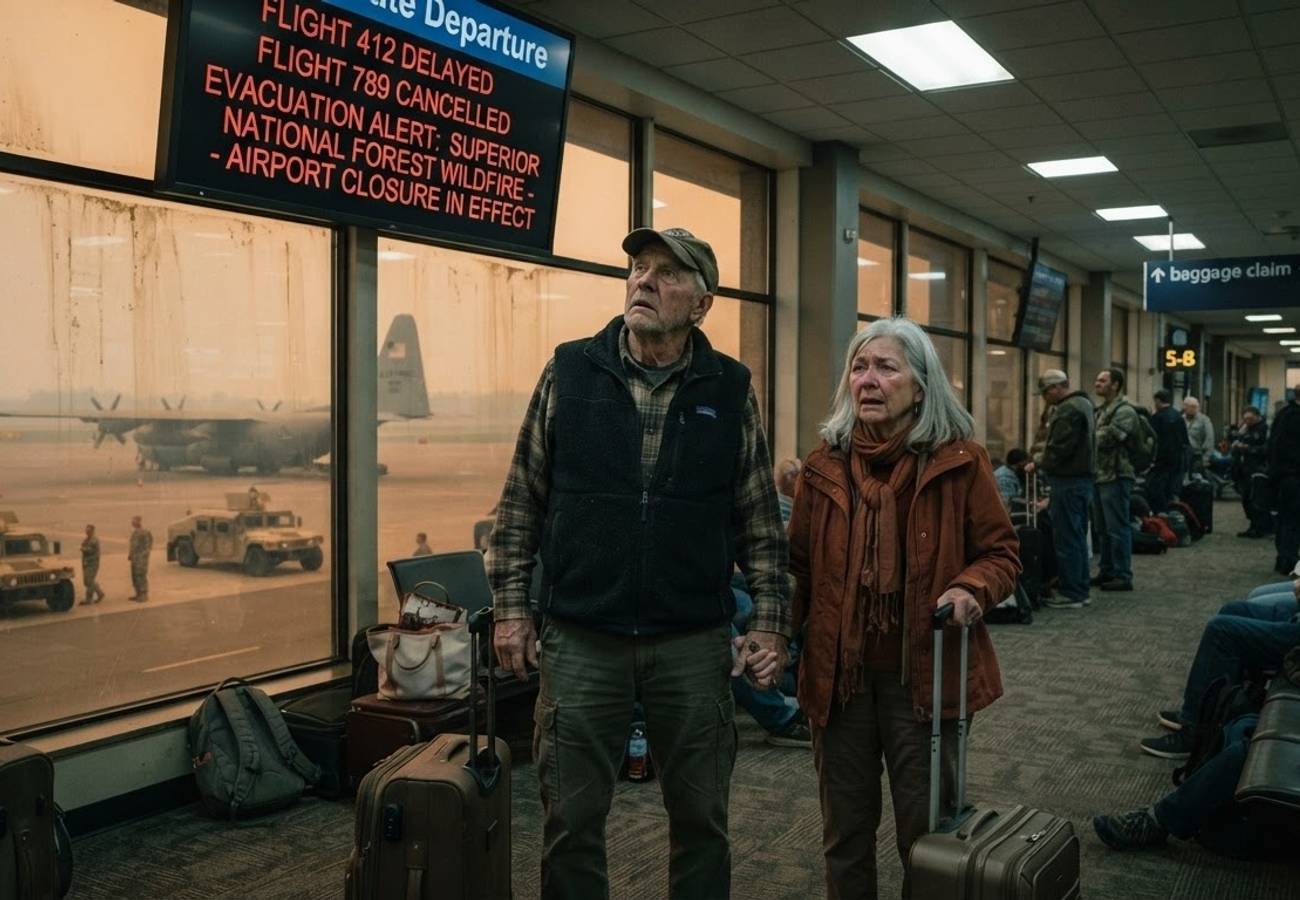
Image generated by AI
Minnesota has entered a state of peacetime emergency as rapid-fire growth in the northern wilderness triggers the deployment of the National Guard to protect critical infrastructure and visitors.
The Local Trend Revealed: Environmental Volatility in the Upper Midwest
The traditional summer tourism surge in Northern Minnesota has faced a sudden disruption in 2026. Governor Tim Walz has officially declared a peacetime emergency, a move that allows for the rapid mobilization of state resources to combat a series of fast-moving wildfires near the Canadian border. The situation has escalated to the point where the Minnesota National Guard has been activated to provide essential logistics, transportation, and operational support to frontline firefighting teams.
This shift is not an isolated incident but part of a broader regional trend across the Upper Midwest—including Wisconsin, Michigan, North Dakota, South Dakota, and Iowa—where extreme heat and prolonged dry spells are fundamentally altering the safety profile of summer road trips and outdoor expeditions.
Emergency Response Data and Impact
The scale of the current crisis is reflected in the rapid expansion of fire zones under low humidity and high temperatures.
Wildfire Response Overview
| Metric | Current Status |
|---|---|
| Emergency Status | Peacetime Emergency Declared |
| State Response | Minnesota National Guard Activated |
| Primary Region | Northern Minnesota (Canadian Border) |
| Active Wildfires | 16 reported fires |
| Burn Area | More than 800 acres |
| Major Concern | Rapid spread due to dry vegetation |
| Visitor Impact | Forest evacuations and travel disruptions |
Cultural & Environmental Value: Protecting the Northwoods
The fires are centered around some of the most ecologically sensitive areas of the United States, most notably the Superior National Forest. This region is a cornerstone of regional heritage, attracting roughly 150,000 visitors every summer for backcountry canoeing, hiking, and wildlife photography.
The current emergency response, coordinated through the Minnesota Department of Natural Resources and local forestry officials, emphasizes the preservation of these old-growth ecosystems. The deployment of the National Guard is not merely for safety but to ensure that firefighting crews can access difficult terrain without further damaging the fragile forest floor. This crisis highlights the growing need for "climate-aware tourism," where visitors prioritize the health of the ecosystem over traditional itinerary goals.
Visitor Insider Tips: Navigating the Northwoods During Fire Season
For those still planning travel to the Upper Midwest or currently in the region, standard travel apps are insufficient. Follow these local insider guidelines:
- Real-Time Monitoring: Do not rely on static maps. Use the official Minnesota DNR (Department of Natural Resources) alerts and local county emergency management pages for the most current road closures.
- Air Quality Checks: Smoke from these 16 active fires can travel hundreds of miles. Check the Air Quality Index (AQI) for "smoke plumes" before booking lodging in southern Minnesota or neighboring states.
- Flexible Itineraries: If your primary destination is the Superior National Forest, identify "Plan B" destinations in the southern part of the state or urban centers like Duluth, which may be less affected by direct fire activity.
- Fire Etiquette: Strictly adhere to all burn bans. In high-risk years like 2026, even a small campfire in a designated ring can be catastrophic if wind shifts occur.
- Local Support: When visiting affected areas, prioritize spending at local, family-owned lodges and eateries. These businesses are the hardest hit by sudden evacuations and reservation cancellations.
Tourism Outlook: The New Normal for Adventure Travel
The 2026 wildfire season is a wake-up call for the North American travel industry. We are seeing a transition where "seasonal" travel is being replaced by "conditional" travel. Tourism operators in the Upper Midwest are now implementing more flexible booking policies and strengthening emergency communication channels to handle sudden evacuations.
For the modern traveler, the ability to pivot—switching a canoe trip for a city break or a forest hike for a lake-based retreat—is becoming a necessary skill. The long-term impact will likely be an increase in sustainable, low-impact tourism initiatives aimed at reducing the human footprint in high-risk wildfire zones.
Stay vigilant, check official state advisories, and prioritize safety over the itinerary.
Related Travel Guides
Disclaimer
This article is for informational and educational purposes only. It does not constitute legal, financial, or professional advice. While we strive to provide accurate and up-to-date information, travel policies, regulations, and conditions change rapidly. Always verify information with official sources before making travel decisions. Nomad Lawyer makes no representations about the accuracy, reliability, completeness, or suitability of the information provided. Readers should consult qualified professionals for advice specific to their circumstances. The views expressed in this article are those of the author and do not necessarily reflect the views of Nomad Lawyer.
Preeti Gunjan
Contributor & Community Manager
A passionate traveller and community builder. Preeti helps grow the Nomad Lawyer community, fostering engagement and bringing the reader experience to life.
Learn more about our team →