
Fresh April Flight Disruptions Hit Five Major U.S. Hubs
Severe thunderstorms and infrastructure bottlenecks are triggering widespread flight disruptions across major U.S. airports in April 2026. Over 2,000 delays and 100+ cancellations reported at key hubs affecting thousands of travelers.

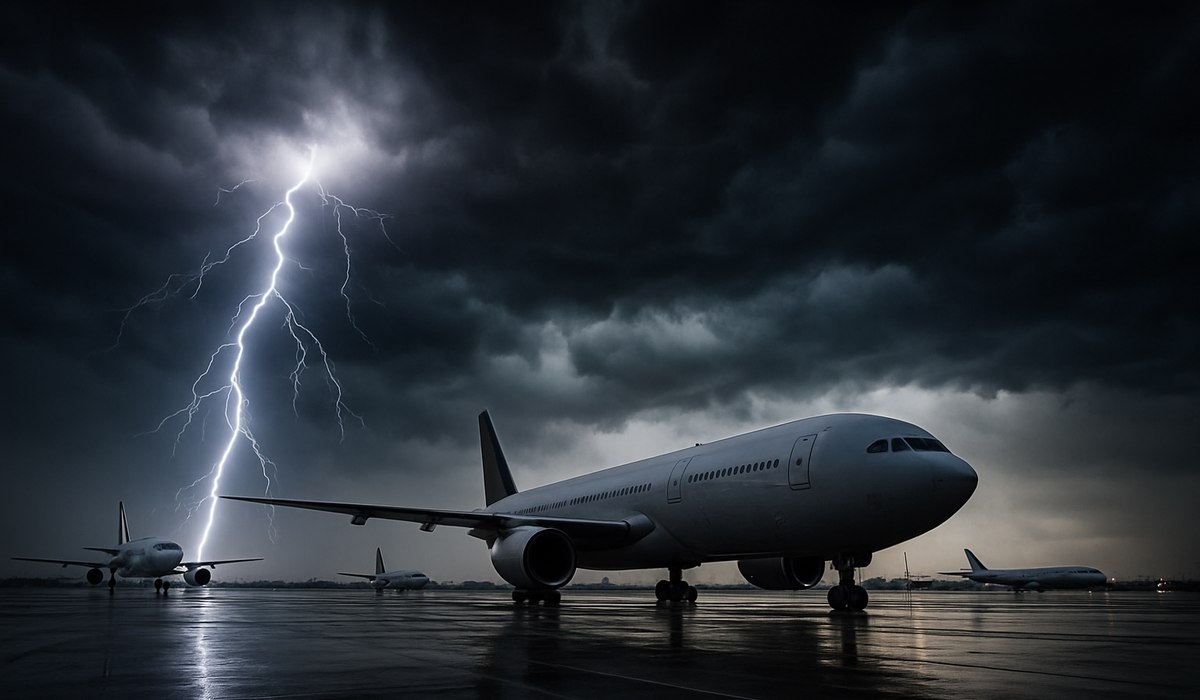
Image generated by AI
Severe Weather and Infrastructure Bottlenecks Snarl April Schedules Nationwide
Major U.S. airports across five states are experiencing unprecedented disruption levels in early April 2026 as a combination of severe thunderstorms, aging infrastructure constraints, and staffing shortages converge to snarl flight schedules. Industry tracking shows over 2,000 delayed flights and more than 100 cancellations recorded on April 10 alone, affecting passengers at critical hubs including Hartsfield-Jackson Atlanta, Chicago O'Hare, Dallas-Fort Worth, San Francisco International, and Miami International. The cascading effects extend far beyond storm zones, rippling through coast-to-coast networks and impacting travelers in Arizona, Illinois, California, New York, and Florida—even in areas experiencing clear skies.
Storm Systems Trigger New Wave of Delays
Early April weather patterns have proven exceptionally disruptive for air travel across the continental United States. Severe thunderstorms with high winds and lightning activity prompted rolling delays and scattered cancellations at multiple airports during the first week of the month.
On April 4, intense thunderstorms in the Houston area triggered a temporary ground stop at George Bush Intercontinental Airport. Aircraft held at gates as lightning moved through the region, creating immediate departure delays and forcing airlines to rework crew schedules. Operations resumed only after the strongest storm cells passed, leaving a significant backlog of delayed connections for passengers throughout the Texas hub.
April 7 brought heavy rain and severe thunderstorms to South Florida, disrupting operations at Miami International and nearby facilities. A ground stop for arriving flights created cascading delays affecting dozens of aircraft and multiple carriers. Airlines scrambled to reroute flights and reassign crews, contributing to several flight cancellations.
According to the FAA, these localized weather events layer atop broader April storm patterns across the United States. The result is elevated disruption days where thousands of flights experience delays or cancellations even when departure cities report clear conditions. Visit FlightAware for real-time tracking of active delays and ground stops.
Multi-State Network Effects Reach Coast-to-Coast Hubs
The interconnected nature of the U.S. air network means disruptions at major weather-affected airports cascade across multiple states and reach distant hubs hours after initial storms pass.
Atlanta's Hartsfield-Jackson, one of the world's busiest airports, experienced strained operations as thunderstorms tracking up and down the Eastern Seaboard forced minor reroutes and metering programs. These tightly scheduled banking windows can quickly cascade into missed connections and secondary delays.
Chicago's airports—O'Hare and Midway—faced compounded challenges from spring storms and existing congestion throughout the central United States. Rolling departure and arrival delays extended through evening peak periods, affecting not only Midwest connections but also flights to major coastal gateways including Los Angeles, New York, and Seattle.
San Francisco International entered April with added constraints from runway construction and tightened parallel landing procedures. Infrastructure analysts warn that these physical limitations, when paired with routine spring weather or inland thunderstorms, magnify delay totals and push disruption into connecting markets across Arizona, Nevada, and the Pacific Northwest.
The Phoenix-Chicago-New York corridor exemplifies network vulnerability. On April 11, Phoenix Sky Harbor recorded 160+ delayed flights and multiple cancellations, affecting aircraft and crews cycling through the day on routes to major eastern hubs.
Climate Volatility and Revised Travel Planning Implications
April 2026 disruptions reflect broader patterns meteorologists link to elevated climate volatility. Early spring weather outbreaks now frequently trigger simultaneous multi-state impacts rather than isolated regional events.
For nomadic professionals and frequent travelers, the April disruption window suggests revised scheduling strategies. Rather than assuming spring weather patterns resemble previous years, consultants recommend:
- Building 3-4 hour buffer windows when connecting through major hubs during April
- Monitoring 14-day forecasts starting three weeks before travel dates
- Booking early morning or late evening flights when possible to minimize weather-related delays
- Selecting flights on carriers with strong alternative routing options
The U.S. Department of Transportation publishes monthly airline performance data. Check historical April statistics for your preferred carriers before booking.
What Travelers Should Know Right Now
Current disruptions affecting fresh April flight schedules demand immediate awareness and flexible planning. Airlines are managing capacity constraints while weather remains volatile through mid-April.
Key facts affecting your travel:
| Hub | State | April 11 Delays | Cancellations | Primary Cause |
|---|---|---|---|---|
| Hartsfield-Jackson | Georgia | 180+ | 12 | Eastern seaboard storms |
| O'Hare | Illinois | 145+ | 8 | Central U.S. spring storms |
| Dallas-Fort Worth | Texas | 120+ | 6 | April 4 thunderstorm residual |
| San Francisco | California | 95+ | 5 | Runway construction + weather |
| Miami International | Florida | 110+ | 9 | April 7 ground stop aftermath |
| Phoenix Sky Harbor | Arizona | 160+ | 7 | Network cascade effects |
Ground holds averaging 30-45 minutes are common across major hubs. Some routes experience extended delays exceeding one hour during peak travel windows.
Traveler Action Checklist
Protect your April travel plans with these immediate steps:
-
Check your flight status now using FlightAware or your airline's app—search by flight number or route to see real-time delays and cancellation notices.
-
Contact your airline directly before heading to the airport. Speak with a representative about alternative routings, standby options, or rebooking on earlier flights if disruptions worsen.
-
Confirm connection times if your itinerary includes transfers. Flights arriving 90+ minutes before connections through major hubs face significant risk of missed connections during April disruption periods.
-
Document your flight details including confirmation numbers, seat assignments, and baggage claims. Screenshot your booking confirmation and airline notifications for potential compensation claims.
-
Review your airline's delay policy on their website. Major carriers offer meal vouchers, rebooking, or cash compensation for delays exceeding 2-3 hours depending on flight length and circumstances.
-
Monitor weather forecasts for your departure and arrival cities daily. The National Weather Service issues thunderstorm outlooks 3-5 days in advance, allowing you to anticipate potential disruptions.
-
Allow extra time for check-in and security at major hubs. April 2026 disruptions may create bottlenecks even for flights that ultimately depart on schedule.
Frequently Asked Questions
Q: Should I reschedule my April flight through a major hub? A: Consult your airline's flexibility policy. If flights show consistent delays, rebooking on alternate routing or a later date may reduce disruption risk. Check FlightAware for 7-day delay averages on your specific route before deciding.
Q: What compensation am I entitled to if my flight is delayed over 3 hours? A: Under DOT rules, U.S. carriers operating delayed domestic flights must provide compensation, meals, and rebooking. Review the U.S. Department of Transportation consumer rights page for specific eligibility and claim procedures.
**Q: Are international connecting flights through U.S. hubs affected by April disruptions?
Disclaimer
This article is for informational and educational purposes only. It does not constitute legal, financial, or professional advice. While we strive to provide accurate and up-to-date information, travel policies, regulations, and conditions change rapidly. Always verify information with official sources before making travel decisions. Nomad Lawyer makes no representations about the accuracy, reliability, completeness, or suitability of the information provided. Readers should consult qualified professionals for advice specific to their circumstances. The views expressed in this article are those of the author and do not necessarily reflect the views of Nomad Lawyer.
Kunal K Choudhary
Co-Founder & Contributor
A passionate traveller and tech enthusiast. Kunal contributes to the vision and growth of Nomad Lawyer, bringing fresh perspectives and driving the community forward.
Learn more about our team →