
Middle East Tourism Enters Severe Crisis: Analyzing the US$56 Billion Shock Across Petra, Dubai, and Regional Skies

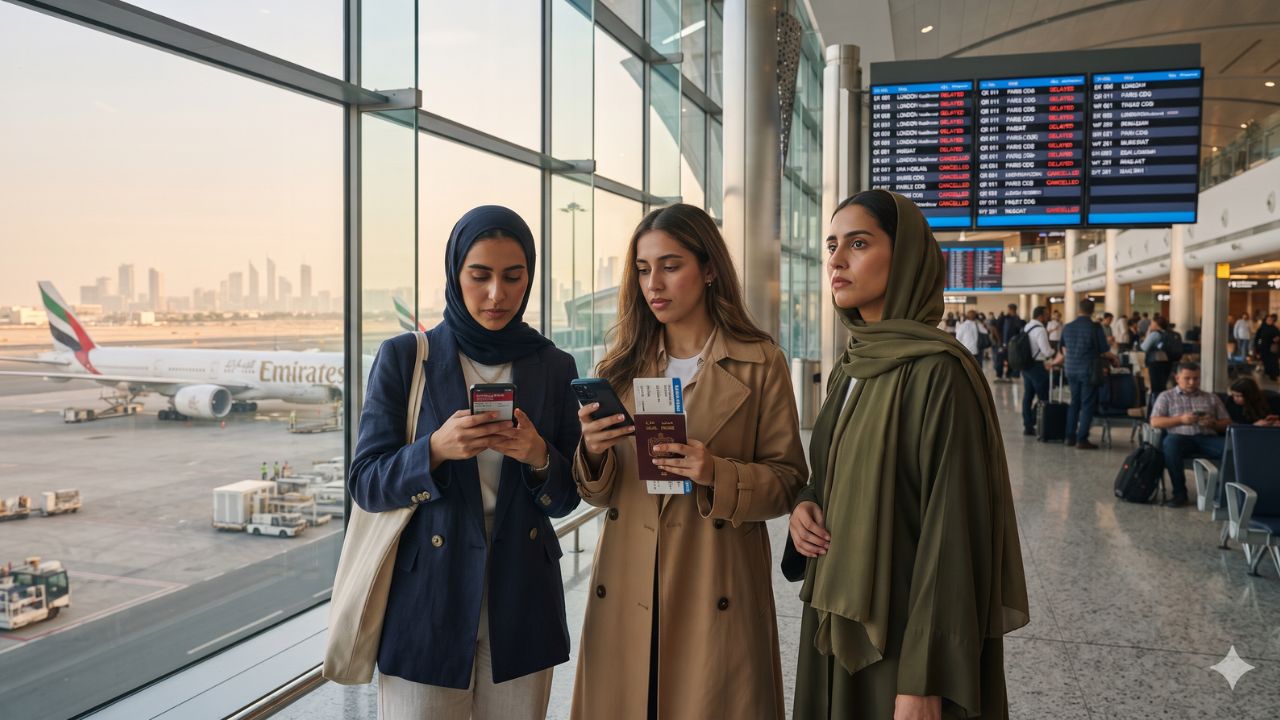
While the Persian Gulf processed hundreds of thousands of daily international transit passengers only weeks ago, mounting military friction has triggered an economic earthquake across Middle Eastern travel, threatening between US$34 billion and US$56 billion in annual tourism revenue losses. Projections by regional tourism analysts and aviation economists indicate that inbound international visitor numbers across the broader Middle East could contract by 11 to 28 per cent year-on-year, generating staggering daily hospitality losses of approximately US$600 million across active crisis zones.
From the ancient sandstone canyons of Petra in Jordan—where visitor foot traffic has cratered by over 60 per cent—to luxury beachfront enclaves across Dubai and Doha, the region's tourism sector is confronting an unprecedented structural shock. As Western governments escalate "Do Not Travel" directives, major international airlines enact multi-hour detours around closed airspaces, and sovereign wealth projects defer premier global summits, the perception of the Middle East as an insulated luxury transit oasis has been replaced by defensive retrenchment.
The Geopolitical Shockwave: Severing the World's East-West Transit Hub
The economics of international travel demand absolute predictability and open skies. When the threat of direct kinetic strikes against military and infrastructure nodes emerges, those foundations dissolve overnight. The current crisis has disrupted the regional travel ecosystem across four distinct layers:
- Aviation Corridors Under Siege: The sovereign airspaces over Iran, Iraq, the Levant, and the Persian Gulf represent the primary great-circle routing connecting Europe and North America with India, Southeast Asia, and Australia. With carriers rerouting south over the Red Sea or north across Central Asia, flight times have stretched, operating expenses have spiked, and transit passenger flow through mega-airports has slowed.
- Immediate Insurance Invalidation: Sweeping Level 4 "Do Not Travel" advisories from Western foreign ministries automatically trigger war and civil unrest exclusions in standard travel insurance policies. Without comprehensive medical and cancellation coverage, international tour operators, cruise lines, and corporate delegations have canceled bookings en masse.
- Escalating War-Risk Premiums: Commercial airlines and maritime operators continuing to navigate adjacent Gulf corridors face triple-digit percentage surges in hull and war-risk insurance premiums, expenses that directly inflate passenger fares or render charter routes economically unviable.
- The Fraying of the Insulated Hub Brand: Gulf capitals spent decades decoupling their urban brands from broader regional instability. Tehran’s explicit warnings of potential asymmetric retaliation targeting Western-aligned commercial data centers, cloud infrastructure, and power facilities have challenged the assumption that financial and transit hubs remain completely immune to regional conflict.
Country-by-Country Assessment: Vulnerabilities, Heritage, and Economic Exposure
The geographic reach of the crisis extends far beyond active military battlegrounds, heavily impacting bystander nations whose economies rely on cultural heritage:
- Jordan and the Collapse of the Nabataean Trail: Although Jordan remains peaceful, foreign travelers often view the Middle East as a single undifferentiated territory. Tourism represents approximately 12 to 14 per cent of Jordan’s Gross Domestic Product. Foot traffic across the UNESCO World Heritage Site of Petra and the Bedouin desert camps of Wadi Rum has dropped by more than 60 per cent, devastating independent guides, local transport cooperatives, and boutique hotels across the Hashemite Kingdom.
- Egypt’s Double Exposure: Egypt relies heavily on tourism receipts to stabilize foreign currency reserves. Escalating tensions along neighboring borders and maritime threats in the southern Red Sea have dampened Nile river cruises and coastal resort bookings in Sharm El-Sheikh and Hurghada, placing additional pressure on national financial balances.
- Saudi Arabia’s Vision 2030 Pivot: The Kingdom has invested hundreds of billions of dollars to establish AlUla, the Red Sea Project, and Riyadh as premier international cultural destinations. However, renewed cross-border drone and missile interceptions over Jeddah, Mecca, Taif, and the outskirts of Riyadh have heightened security concerns. High-profile corporate gatherings—including the flagship Future Investment Initiative ("Davos in the Desert")—have been deferred, stripping the hospitality sector of valuable corporate delegations, though mandatory Hajj and Umrah pilgrimages continue to provide an inelastic foundational floor.
- United Arab Emirates and Qatar: In Dubai, Abu Dhabi, and Doha, the fourth quarter traditionally marks the lucrative "winter sun" peak for international leisure arrivals. European charter groups have begun recording uncharacteristic cancellations, redirecting holidaymakers toward southern Europe, the Caribbean, or Southeast Asia.
- Israel and the Palestinian Territories: Tourism has virtually evaporated. Jerusalem’s historic Old City, normally filled with Christian, Jewish, and Muslim pilgrims, sits largely empty. Hotel occupancy in Tel Aviv, Nazareth, and Bethlehem has plummeted to single digits, with remaining commercial rooms requisitioned for internally displaced residents under government subsidies. In the West Bank, military checkpoint closures near Hebron and across Palestinian municipalities have completely frozen community-based tourism.
- Iran and Lebanon: Iran's architectural marvels in Isfahan, Shiraz, and Persepolis face complete isolation as foreign leisure travel drops to zero amid naval tensions in the Strait of Hormuz. In Lebanon, where tourism and diaspora visits anchor the economy, ongoing border strikes and airline suspensions at Beirut-Rafic Hariri International Airport have paralyzed hotels and urban nightlife.
- Yemen: Mainland tourism remains completely non-existent as internal conflict flares around Taiz. Even the remote ecotourism sanctuary of Socotra Island faces logistical isolation due to naval mine warnings in surrounding waters and reduced regional flight links.
Middle East Tourism Crisis: Country Vulnerabilities, Economic Losses, and Threat Profiles
The verified threat levels, primary cultural tourism sectors, and projected economic exposures across the region are outlined below:
| Country or Territory | Major Geopolitical & Security Threat | Core Tourism & Hospitality Assets | Projected Travel & Economic Impact |
|---|---|---|---|
| Jordan | Regional border spillover and perception drag | Petra, Wadi Rum, Dead Sea, Jerash | Foot traffic down >60%; threatens 12–14% of national GDP |
| Egypt | Red Sea shipping risks and regional border tension | Pyramids of Giza, Luxor, Red Sea resorts | Booking cancellations, reduced cruise calls, currency strain |
| Saudi Arabia | Cross-border missile/drone threats & falling debris | Vision 2030 megaprojects, AlUla, Red Sea | Future Investment Initiative deferred; Hajj/Umrah remains anchor |
| UAE & Qatar | Asymmetric infrastructure threats & airspace alerts | Global aviation transit (DXB/DOH), luxury sun | Q4 winter sun cancellations; reduced long-haul transfer traffic |
| Israel | Multi-front rocket fire and territorial closures | Jerusalem Old City, Tel Aviv coast, Galilee | Occupancy in single digits; hotels repurposed for displaced citizens |
| Lebanon | Cross-border bombardment and airspace hazards | Beirut culinary/nightlife, Byblos, ski resorts | Widespread hospitality bankruptcies; foreign carrier suspensions |
| Iran | Strike alerts, military mobilization, naval threats | Isfahan, Persepolis, Shiraz cultural ruins | Leisure arrivals at zero; domestic transport fuel commandeered |
| Yemen | Active combat, infrastructure collapse, naval mines | Socotra island ecotourism, Old Sana'a | Mainland inaccessible; Socotra flights and sea routes isolated |
Visitor Insider Tips: Managing Travel Plans and Protecting Consumer Rights
- Verify Travel Insurance Coverage Specifics: Standard international travel policies universally exclude disruptions resulting from war, warlike operations, or civil commotion. If your home government elevates a destination to a "Do Not Travel" status, policies will not cover non-refundable hotel reservations. Seek out specialized "Cancel For Any Reason" (CFAR) policies purchased well before departure.
- Leverage Airline Waiver Policies: As documented by the International Air Transport Association (IATA), major international carriers operating to the Middle East have activated flexible travel waivers. If your flight routes through Dubai, Doha, or Riyadh, check your operating carrier's portal for fee-free rebooking options, extended ticket validity, or full refunds.
- Support Community Tourism in Safe Corridors: Travelers who maintain bookings in stable areas of Jordan or Egypt should book directly through independent local operators. Organizations affiliated with the Jordan Tourism Board emphasize that cultural sites like Petra and Jerash remain open and guarded; hiring local Bedouin guides and purchasing handicrafts directly injects vital funds into families affected by the tourism downturn.
- Maintain Extended Layover Buffers: Long-haul itineraries transiting Gulf hubs should incorporate layover windows of at least three to four hours. Air traffic control slot adjustments and southern airspace detours frequently introduce 45- to 90-minute operational delays, increasing the risk of missed connections on tighter itineraries.
Cultural and Environmental Context: Heritage Preservation Under Crisis
The collapse of Middle Eastern tourism carries profound cultural and human consequences. Across developing economies like Jordan and Egypt, tourism is an irreplaceable generator of local employment. When visitor numbers drop, artisan stone carvers, camel drivers, cooperative weavers, and family-run guest houses lose their primary source of livelihood, driving vulnerable rural communities into severe poverty.
Furthermore, tourism revenue directly funds archaeological preservation. Entrance fees collected at sites like Petra, the Pyramids of Giza, and historic Jerash finance ongoing stabilization, anti-erosion measures, and artifact conservation. According to global monitors at UN Tourism (UNWTO), prolonged tourism freezes starve cultural heritage ministries of the capital required to guard ancient stone monuments against weathering and illicit antiquities trade.
Rebuilding confidence across Middle Eastern travel will require verified regional de-escalation, open airspace corridors, and sustained international support for the local communities who serve as the custodians of humanity's oldest shared heritage.
FAQ: Traveling to the Middle East Amid Security Concerns 2026
How severely has tourism declined at major heritage sites like Petra?
Visitor foot traffic at Petra and Wadi Rum in Jordan has dropped by over 60 per cent due to regional perception spillover, despite the sites operating far from kinetic military activity.
Are flights still operating through major Gulf hubs like Dubai and Doha?
Yes. Dubai International Airport (DXB) and Hamad International Airport (DOH) remain open, though airlines are utilizing extended flight detours around Iranian and Iraqi airspace, leading to longer flight times.
What is the projected economic loss for Middle Eastern tourism?
Regional tourism analysts project annual economic losses ranging between US$34 billion and US$56 billion, with daily losses averaging roughly US$600 million during peak crisis periods.
Does travel insurance cover cancellations due to Middle East conflict?
Standard policies typically exclude acts of war and government travel warnings. Only specialized "Cancel For Any Reason" (CFAR) policies provide reimbursement for voluntary cancellations.
Behind the headlines of geopolitical standoff lie the silent temples and warm desert camps of the Middle East, patiently awaiting the return of peace and the travelers who cherish its living history.
Related Travel Guides
- SWISS Extends Dubai Flight Suspension: Middle East Travel Warnings
- US Christmas Vacations 2026: Orlando Theme Parks, Branson, and Chicago
- Charlotte Amalie Named 2026 World War II Heritage City: St. Thomas Cultural Guide
- Thanksgiving Parade Destinations 2026: Comparing New York, Chicago, and Philadelphia
Disclaimer
This article is for informational and educational purposes only. It does not constitute legal, financial, or professional advice. While we strive to provide accurate and up-to-date information, travel policies, regulations, and conditions change rapidly. Always verify information with official sources before making travel decisions. Nomad Lawyer makes no representations about the accuracy, reliability, completeness, or suitability of the information provided. Readers should consult qualified professionals for advice specific to their circumstances. The views expressed in this article are those of the author and do not necessarily reflect the views of Nomad Lawyer.
Naina Thakur
Contributor & Travel Specialist
Travel enthusiast and legal writer covering visa regulations, responsible tourism, and cultural journeys across global destinations.
Learn more about our team →