
Middle East Travel Chaos: Geopolitical Conflict Triggers Massive 5,000 Flight Cancellations and Devastating $34 Billion Tourism Collapse
As the Iran conflict severely escalates, major Middle Eastern aviation mega-hubs face terrifying travel chaos, massive airspace closures, and catastrophic flight cancellations.

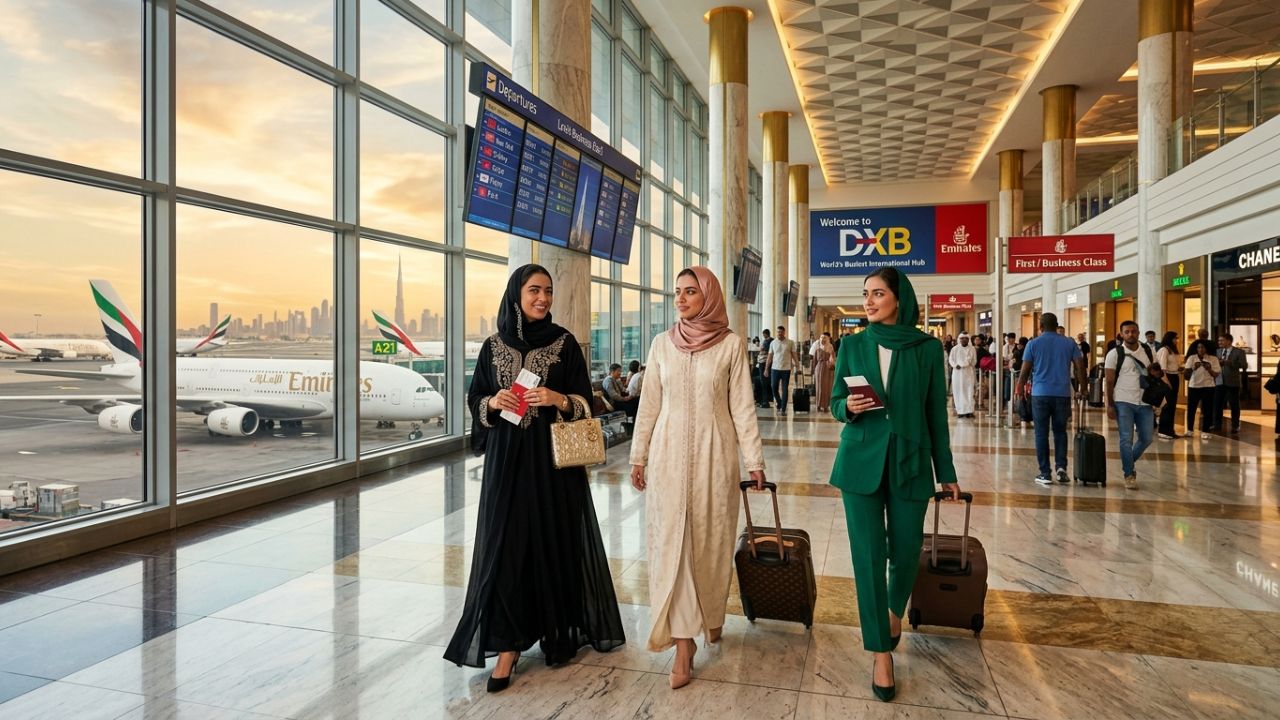
Image generated by AI
Geopolitical Escalation Plunges Gulf Aviation into Gridlock
While massive sectors of the global passenger network frequently battle highly unpredictable weather events, the sudden, terrifying escalation of regional military conflicts remains the absolute most dangerous catalyst for sweeping airspace closures and unmanageable terminal congestion. Delivering highly urgent, breaking airline news, verified international aviation regulators confirm that a catastrophic geopolitical crisis is actively generating severe, cascading travel chaos across the Middle East. Today, June 1, 2026, the rapidly evolving Iran conflict has generated a horrifying total of over 5,000 initial flight cancellations, violently paralyzing the region's primary aviation gateways and threatening a devastating $34 billion collapse of the local tourism economy.
While desperate travelers already attempt to navigate sudden, terrifying airport disruptions caused by massive summer transit volumes, these exclusive aviation updates reveal a massive, highly dangerous collapse of regional connectivity. For the past decade, holidaymakers and corporate business travelers alike grew accustomed to seamless transit through state-of-the-art mega-terminals in Dubai, Doha, and Riyadh, viewing the Gulf as a highly reliable bridge connecting West and East. However, the delicate nature of global tourism is once again being violently put to the test. This ongoing instability is creating an immediate, devastating shockwave throughout the international travel sector, trapping thousands of vulnerable passengers in severely restricted airspace.
Expanded Overview: The Scale of the Economic Crisis
The sudden, highly publicized execution of these massive airspace closures serves as an undeniable example of how rapidly the world's most critical transit hubs can completely disintegrate. According to verified data compiled by leading industry analysts and global forecasting bodies, the regional instability is completely destroying the tourism pipeline. Under an absolute best-case, early resolution scenario, the crisis could cost the Middle East an astonishing 23 million international visitors and nearly $34 billion in brutally lost tourist spending.
Should the terrifying tensions stretch into a prolonged military crisis, those catastrophic financial losses could rapidly escalate, signaling a dramatic, devastating turning point in how global travelers weigh the balance between iconic luxury landmarks and basic personal safety. The numbers tracing the potential downturn paint a stark, terrifying picture of how quickly geopolitical friction can absolutely obliterate global financial pipelines.
Section-Wise Breakdown of the Strategic Collapse
Deconstructing the Economic Forecast
Data formally published by Tourism Economics (an Oxford Economics company) heavily suggests that international arrivals to the Middle East could see an absolute, devastating decline of anywhere between 11% and 27%, depending entirely on the terrifying duration of the hostilities. Travelers aren’t necessarily staying home; instead, they are actively changing their destinations, violently altering the airlines they book, and completely rethinking the geographic nature of their vacations to avoid Middle Eastern airspace entirely.
Tourism Economics Impact Scenarios
| Early Resolution Matrix | Prolonged Conflict Matrix |
|---|---|
| 23 Million fewer international arrivals | 38 Million fewer international arrivals |
| $34 Billion massive drop in tourist spending | $56 Billion devastating drop in tourist spending |
| Immediate regional airspace realignment | Severe, multi-year economic sector contraction |
Air Connectivity Under Pressure: The Transit Crossroads
The primary, absolute structural vulnerability violently exposed by the current conflict lies strictly within the aviation sector. The Middle East serves as a massive, critical geographical super-hub for international transit, accommodating roughly 14% of all global air traffic. When sudden airspace closures are brutally enacted and vital safety corridors are modified, the efficiency of global aviation is instantly, violently compromised.
Gulf Transit and Airspace Security Matrix
| Vulnerable Mega-Hubs | Direct Logistics Impact |
|---|---|
| Dubai International (DXB) | Over 5,000 initial commercial flights abruptly cut |
| Hamad International (DOH) | Severely extended, highly inefficient long-haul flight times |
| King Khalid Int'l (RUH) | Massively depressed Q1 international passenger traffic |
Passenger Impact: Navigating Restricted Airspace
For the modern domestic and international commuter attempting to navigate this highly volatile Middle Eastern corridor, the passenger impact of this massive operational meltdown is completely exhausting. During the initial days of the conflict alone, more than 5,000 commercial flights were abruptly canceled or violently rerouted to completely avoid volatile, highly dangerous flight paths. Because the massive tourism growth models of the Gulf nations are intrinsically tied to open, highly reliable flight connectivity, extended disruptions directly erode traveler confidence, making long-haul stopovers feel incredibly dangerous.
In an international travel landscape where sudden airspace restrictions and evolving transit guidelines can quickly destroy your journey, managing your personal logistics with absolute care is essential. Utilizing digital platforms to aggressively track flight status changes in real time ensures you stay instantly informed of any carrier path realignments or emergency cancellations long before you arrive at the check-in counter. Global airlines are continuously, frantically adjusting their schedules to bypass restricted military zones.
Industry Analysis: Sustainability and Safety as a Premium
From a macroeconomic and industry operations perspective, the localized cancellations highlight a massive, terrifying truth: absolute safety is the new ultimate premium. Tourism is no longer measured solely by the luxury of its hotels or the height of its viewing decks. Instead, political stability and resilient airport infrastructure are becoming the absolute primary components of the tourism product itself.
Furthermore, staying highly flexible with transit routes connects perfectly with the global travel community’s essential shift towards sustainability in tourism. When regional crises violently force planes to fly longer, highly inefficient paths to avoid conflict zones, carbon emissions per flight mile inevitably climb. By prioritizing carriers that employ highly fuel-efficient fleets on optimized, safe paths, travelers actively mitigate environmental strain.
Conclusion: A Highly Volatile Middle Eastern Future
The massive, highly publicized airspace closures across the Middle East represent a severe, terrifying crisis for the global travel sector. By actively forcing thousands of passengers to endure over 5,000 flight cancellations and brutally extended flight times, the geopolitical conflict guarantees an incredibly stressful, highly exhausting journey. As operational teams at Dubai, Doha, and Riyadh frantically battle to reroute massive widebody aircraft around dangerous airspace, passengers are heavily urged to aggressively monitor their bookings, strictly demand safe rerouting, and fully expect massive, cascading flight disruptions amidst unprecedented Middle Eastern travel chaos.
Key Takeaways
- Massive Network Meltdown: The geopolitical conflict triggered over 5,000 initial flight cancellations across Middle Eastern airspace.
- Tourism Economy Devastated: Analysts project a catastrophic $34 billion to $56 billion loss in regional tourist spending.
- Mega-Hubs Paralyzed: Dubai (DXB), Doha (DOH), and Riyadh (RUH) are suffering massive passenger traffic contractions and severely extended flight times.
- Airspace Closures: Global airlines are violently rerouting flights to avoid dangerous military zones, heavily impacting the 14% of global traffic relying on the Gulf.
- Passenger Survival Tactics: Travelers are aggressively urged to constantly monitor airline apps, prepare for massive multi-hour schedule shifts, and prioritize alternative safe corridors.
Disclaimer: The specific cancellation metrics, economic loss projections, and airline operational failures presented in this report are based on verified geopolitical and aviation tracking data regarding the Middle East conflict on June 1, 2026. Official airspace restrictions, terminal congestion levels, and final flight routing options are highly volatile and subject to continuous, real-time update based on active military and civil aviation directives. Prospective passengers are urgently advised to fiercely monitor their specific booking status and verify active flight schedules directly via the airline's official portal prior to airport arrival.
Disclaimer
This article is for informational and educational purposes only. It does not constitute legal, financial, or professional advice. While we strive to provide accurate and up-to-date information, travel policies, regulations, and conditions change rapidly. Always verify information with official sources before making travel decisions. Nomad Lawyer makes no representations about the accuracy, reliability, completeness, or suitability of the information provided. Readers should consult qualified professionals for advice specific to their circumstances. The views expressed in this article are those of the author and do not necessarily reflect the views of Nomad Lawyer.
Kunal K Choudhary
Co-Founder & Contributor
A passionate traveller and tech enthusiast. Kunal contributes to the vision and growth of Nomad Lawyer, bringing fresh perspectives and driving the community forward.
Learn more about our team →