
Middle East Flight Chaos Strands Thousands Across Gulf Hubs in May 2026
Over 50 flights cancelled this week across Gulf hubs as Air Arabia, Gulf Air and flydubai struggle with operational disruptions. Thousands stranded in UAE, Bahrain and Saudi Arabia amid uneven airspace recovery in 2026.

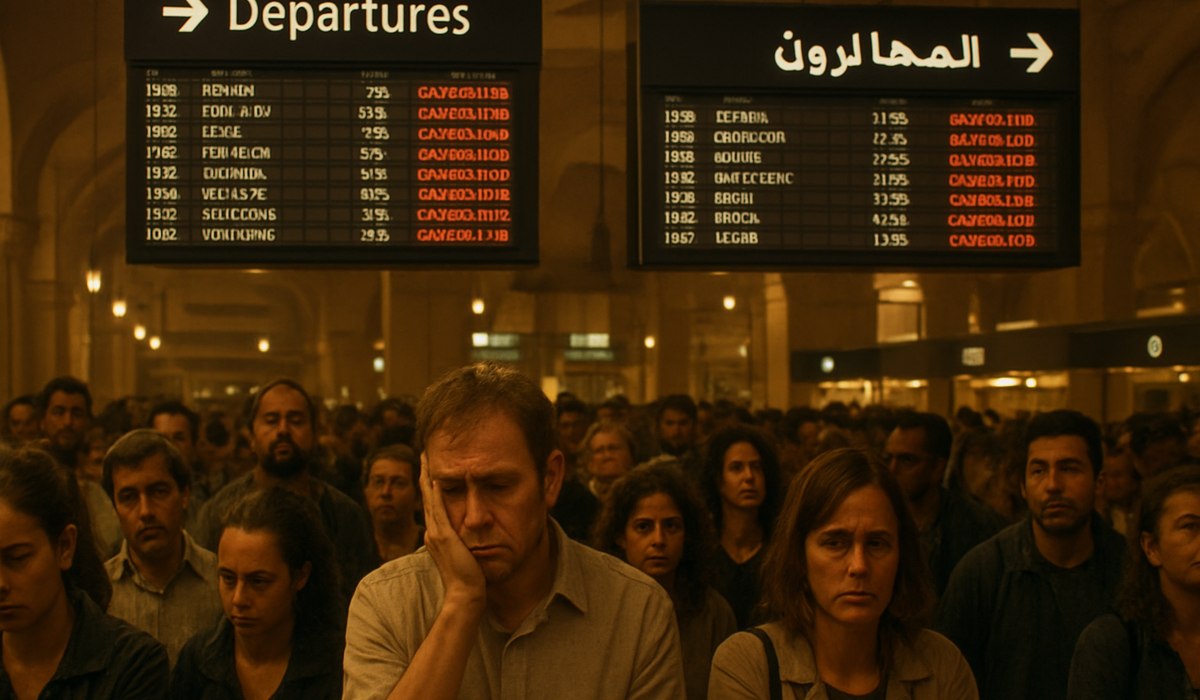
Image generated by AI
Lede
More than 50 flights have been cancelled across major Gulf hubs this week, leaving thousands of passengers stranded in the United Arab Emirates, Bahrain, and Saudi Arabia. Air Arabia, Gulf Air, and flydubai are at the center of this operational crisis as Middle Eastern carriers navigate an uneven recovery from recent regional airspace closures. The disruptions signal that regional aviation remains fragile heading into the peak summer travel season, with short-notice cancellations and rolling delays continuing to plague connections throughout the Gulf.
Escalating Disruption Across Gulf Hubs
The current wave of cancellations represents a critical inflection point for Middle Eastern aviation recovery. While major hubs including Dubai, Abu Dhabi, and Riyadh have technically reopened for routine operations, their schedules remain under significant strain. Industry tracking confirms that more than 50 flights operated or codeshared by the region's three largest low-cost and full-service carriers have been disrupted since the start of this week, primarily affecting short-haul connections between the UAE, Bahrain, and Saudi Arabia.
The pattern differs from wholesale shutdowns—instead, airlines are managing a combination of outright cancellations alongside extended delays as they work around congested airways and revised slot allocations. This patchwork recovery creates an unpredictable travel environment where some routes operate near-normal frequencies while others experience repeated last-minute changes. For travelers planning Middle East flights, this volatility demands continuous monitoring of booking confirmations and airline communications. Check FlightAware regularly for real-time status updates on your specific route.
Impact on Budget and Mid-Market Carriers
Budget and mid-market Gulf carriers face outsized challenges compared to their larger international competitors. These airlines depend heavily on dense short-haul networks to generate revenue, meaning even modest schedule disruptions create disproportionate passenger impacts. The current Middle East flight environment has forced carriers like Air Arabia and flydubai to implement selective cancellations and aggressive schedule adjustments rather than maintain published timetables.
Air Arabia, based in Sharjah, has shifted toward point-to-point operations with selective route suspensions. Passengers report altered departure times, forced rebookings onto alternative hubs, and extended delays in receiving refunds or travel vouchers for cancelled flights. Flydubai simultaneously manages conflict-related rerouting alongside planned runway refurbishment at Dubai International, creating compounded operational pressure. This layering effect increases knock-on delays for connecting passengers linking short-haul Gulf sectors with longer European or Asian legs, affecting the entire travel chain for nomadic professionals and business travelers.
Regional Airspace Recovery Remains Uneven
Recovery from recent regional airspace closures continues unevenly across the Gulf. While Dubai, Abu Dhabi, and Riyadh have reopened for routine operations, Bahraini airspace experienced particularly acute disruption earlier in the crisis, forcing Gulf Air to implement workarounds that persist today. The airline has temporarily shifted additional activity through Saudi Arabia's Eastern Province, using Dammam as an alternate transit point for certain long-haul services while maintaining a reduced schedule for Bahrain-linked itineraries.
Flight volumes across Gulf hubs remain below normal levels for late April and May, even as some long-haul services resume. This suggests the region's aviation infrastructure has not yet fully processed the backlog of rerouted traffic and demand spikes. The piecemeal nature of airspace reopenings means that as one corridor restores operations, bottlenecks form elsewhere. Travelers should anticipate continued uncertainty when booking Middle East flights through mid-May and monitor updates from aviation authorities via the FAA for international flight safety notices.
What Nomad Lawyers and Business Travelers Should Know
For nomadic professionals and business travelers dependent on reliable Middle East flight schedules, the current operational environment demands heightened planning and flexibility. Many travelers have reported spending unbudgeted nights in airport hotels, missing important meetings, and incurring unexpected expenses due to short-notice cancellations. The disruption particularly affects those connecting through Gulf hubs to reach secondary markets in South Asia, the Levant, and regional business centers.
Some affected passengers have reported using alternative transport methods—including the King Fahd Causeway between Bahrain and Saudi Arabia—to bypass collapsed Middle East flight schedules and continue journeys from alternate airports. While viable for some routes, these workarounds add significant time, cost, and complexity to otherwise straightforward transit journeys. Know your passenger rights under applicable regulations and contact your airline or travel provider immediately if you're affected. The U.S. Department of Transportation maintains resources on air passenger protections at US DOT, though international travelers should verify local regulations for their origin and destination countries.
Traveler Action Checklist
-
Monitor your booking daily on the airline's website and via FlightAware for any schedule changes or cancellations affecting your Middle East flight.
-
Contact your airline proactively 48 hours before departure to confirm your flight status, especially for connections through Gulf hubs.
-
Photograph your booking confirmation and any communications about delays or cancellations for documentation if you need to file compensation claims.
-
Request written confirmation of any rebooking, refund offer, or alternative arrangements from the airline, including expected timeline for resolution.
-
Investigate alternative routes immediately if your Middle East flight is cancelled, including flights through alternate hubs or different carriers.
-
Document all out-of-pocket expenses (hotels, meals, ground transport) incurred due to airline-caused disruptions; these may be recoverable under passenger protection rules.
-
Register with your embassy if you're stranded in an unfamiliar location and need assistance accessing accommodation or revised travel options.
-
Review your travel insurance policy immediately to understand what coverage applies to this type of operational disruption and file claims promptly.
Key Disruption Data
| Metric | Details |
|---|---|
| Flights Cancelled This Week | 50+ cancellations across Gulf hubs |
| Primary Airlines Affected | Air Arabia, Gulf Air, flydubai |
| Main Hubs Impacted | Dubai, Abu Dhabi, Sharjah, Manama, Dammam |
| Primary Routes Disrupted | UAE-Bahrain, UAE-Saudi Arabia, Sharjah-South Asia connections |
| Passenger Impact | Thousands stranded across three countries |
| Recovery Timeline | Uneven; volumes below normal through May 2026 |
| Backup Strategies | Rerouting through alternate hubs, extended delays, alternate transport (Bahrain-Saudi road route) |
| Flight Schedule Status | Fragile; short-notice changes continuing daily |
FAQ
Q: What should I do if my Middle East flight was cancelled this week?
A: Contact your airline immediately via phone and email to request rebooking on the next available flight, a refund, or travel voucher. Ask for written confirmation of the airline's offer and keep all documentation. If the airline is unresponsive within 24 hours, escalate to their customer relations department. Document all out-of-pocket expenses incurred due to the cancellation.
Q: Are my flights likely to be cancelled if I'm traveling through the Gulf next week?
A: While conditions remain fragile, schedule volatility typically decreases as airlines stabilize operations. However, disruptions are still occurring daily. Book with flexible tickets when possible, monitor your reservation constantly, and contact your airline 48 hours before departure to confirm flight status regardless of what your booking confirmation says.
Q: Can I get compensation for a cancelled Middle East flight?
Disclaimer
This article is for informational and educational purposes only. It does not constitute legal, financial, or professional advice. While we strive to provide accurate and up-to-date information, travel policies, regulations, and conditions change rapidly. Always verify information with official sources before making travel decisions. Nomad Lawyer makes no representations about the accuracy, reliability, completeness, or suitability of the information provided. Readers should consult qualified professionals for advice specific to their circumstances. The views expressed in this article are those of the author and do not necessarily reflect the views of Nomad Lawyer.
Kunal K Choudhary
Co-Founder & Contributor
A passionate traveller and tech enthusiast. Kunal contributes to the vision and growth of Nomad Lawyer, bringing fresh perspectives and driving the community forward.
Learn more about our team →