
Middle East Cruise Industry Pivots: Red Sea Boom Offsets Arabian Gulf Pause as Jeddah Leads 2026 Luxury Travel
As international cruise lines pause Arabian Gulf winter sailings, Saudi Arabia's Red Sea emerges as the luxury epicentre with Aroya Cruises and Jeddah Islamic Port.

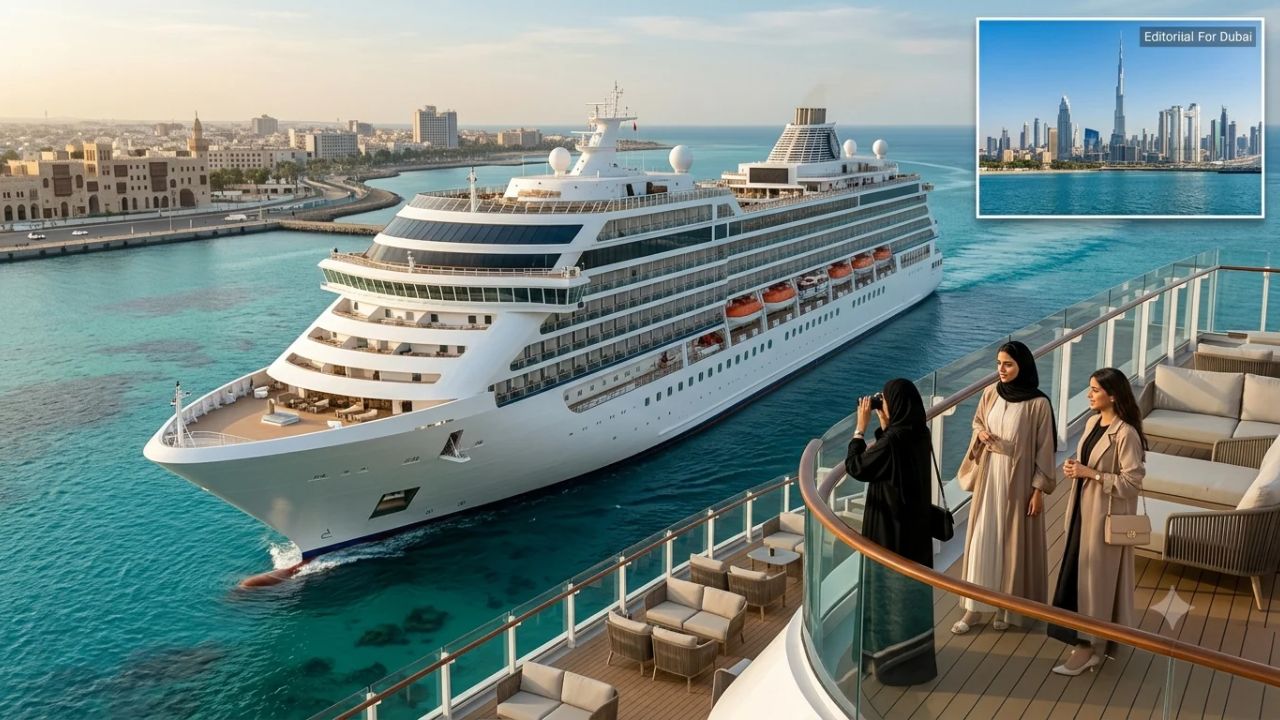
Image generated by AI
The Middle Eastern cruise sector is undergoing a historic realignment in 2026 as escalating regional security tensions prompt 100 percent of major international cruise lines to temporarily pause Arabian Gulf winter deployments, accelerating an unprecedented luxury maritime boom across Saudi Arabia’s Red Sea coast anchored by Jeddah.
For more than a decade, the commercial roadmap for regional maritime tourism envisioned an integrated winter circuit connecting the futuristic ports of the United Arab Emirates with Saudi Arabia’s emerging coastline. However, shifting geopolitical realities have reshaped those plans. While premier homeports across Dubai, Abu Dhabi, Doha, and Manama temporarily suspend international passenger sailings to safeguard passengers and crew, the Red Sea has emerged as an independent, thriving luxury maritime corridor.
Spearheaded by domestic operator Cruise Saudi and its luxury consumer brand Aroya Cruises, the kingdom is leveraging multi-billion-dollar investments from the Public Investment Fund (PIF) and Red Sea Global to provide elite global travelers with secure access to pristine barrier reefs, UNESCO World Heritage cultural sites, and zero-carbon regenerative resorts.
          2026 MIDDLE EAST MARITIME REALIGNMENT & SAILING CORRIDORS
          ==========================================================

      [ ARABIAN GULF SECTOR: TEMPORARY PAUSE ]
      • Ports: Dubai (Mina Rashid), Abu Dhabi (Zayed), Doha, Bahrain
      • Status: 100% of major international lines paused for 2026/2027
      • Brands: MSC Cruises, TUI Cruises, Costa, AIDA on hiatus
                                 │
                                 ▼
      [ STRATEGIC PIVOT TO WESTERN SAUDI ARABIA ]
                                 │
                                 ▼
      [ RED SEA SECTOR: EXPANDING LUXURY CORRIDOR ]
      • Primary Homeport: Jeddah Islamic Port
      • Operator: Aroya Cruises (Exclusive Red Sea Deployment)
      • Regional Gateways: Yanbu, KAEC, Sharm El Sheikh, Aqaba (Petra)
      • Eco-Gigaprojects: Shura Island, Sheybarah, AMAALA (Red Sea Global)
The 2026 Geopolitical Rebalancing: Arabian Gulf Winter Hiatus
The decision by leading European and global cruise operators to suspend Arabian Gulf operations represents one of the most substantial redeployments in recent maritime history.
Under ordinary conditions, the Arabian Gulf functions as a premier warm-weather winter destination for European cruisers seeking seven-night itineraries between the UAE, Qatar, Oman, and Bahrain. However, ongoing regional volatility and airspace uncertainties throughout the wider Middle East compelled cruise lines to enact precautionary security protocols:
- Comprehensive Brand Suspensions: Industry fleet tracking confirms that 100 percent of major international cruise operators—including MSC Cruises, TUI Cruises, Costa Cruises, and AIDA Cruises—have cancelled their scheduled 2026–2027 winter seasons in the Gulf.
- Repositioning and Dry Docking: Vessels originally slated for Dubai and Abu Dhabi homeporting have been rerouted to Western Mediterranean winter circuits, the Canary Islands, or extended dry-dock refurbishment programs in European yards.
- Impact on UAE Marine Infrastructure: Ports including Dubai’s historic Mina Rashid, the modern Dubai Harbour Cruise Terminal, and Abu Dhabi’s Cruise Terminal at Port Zayed have pivoted toward superyacht berthing, regional maritime logistics, and domestic coastal events while maintaining infrastructure in high-readiness status for future international returns.
While the pause delivers a temporary revenue contraction to winter transit retail and hospitality sectors across the lower Gulf, it has inadvertently accelerated Saudi Arabia's strategic emergence as a self-sustaining cruise destination.
| Maritime Region | 2026/2027 Operational Status | Primary Cruise Hubs Involved | Underlying Strategic Driver |
|---|---|---|---|
| Arabian Gulf | Operations paused for winter season | Dubai, Abu Dhabi, Doha, Manama | Comprehensive passenger and crew safety prioritisation |
| Southern Red Sea & Bab el-Mandeb | Commercial transit restrictions | International cargo/transit lanes | Rerouting around Cape of Good Hope for global shipping |
| Northern & Central Red Sea | High-growth, closed-loop sailings | Jeddah, Yanbu, KAEC, Aqaba, Egypt | Protected domestic & bilateral luxury cruise corridor |
| Saudi Gigaproject Archipelagos | Operational debut of island resorts | Shura Island, Sheybarah, AMAALA | Regenerative ultra-luxury tourism tied to Vision 2030 |
The Rise of Jeddah as the Red Sea's Premier Luxury Maritime Hub
With Arabian Gulf itineraries on hold, Aroya Cruises—the pioneering cruise line launched by PIF-owned Cruise Saudi—executed a decisive operational pivot. Originally configured to operate dual programs across both the Arabian Gulf and the Red Sea, Aroya consolidated 100 percent of its luxury fleet into the Red Sea for the autumn and winter seasons of 2026 and 2027.
Operating from Jeddah Islamic Port, Aroya has established a self-contained, high-security luxury cruising ecosystem that avoids vulnerable chokepoints while showcasing the natural and cultural wealth of the western Arabian Peninsula.
                 AROYA CRUISES RED SEA ITINERARY ARCHITECTURE
                 ============================================

                         [ AQABA, JORDAN ]
                         • Gateway to Petra & Wadi Rum
                                    ▲
                                   ╱ ╲
                                  ╱   ╲
     [ SHARM EL SHEIKH / EGYPT ] ◄     ► [ YANBU AL-BAHR, SAUDI ARABIA ]
     • Sinai Coral Diving                 • Historic Old Town & Coral Reefs
            │                                           ▲
            │                                           │
            ▼                                           │
     [ KING ABDULLAH ECONOMIC CITY ] ───────────────────┘
     • Royal Greens Golf & High-Speed Rail
            │
            ▼
     [ JEDDAH ISLAMIC PORT (HOMEPORT) ]
     • Al-Balad UNESCO Coral-Stone Heritage
     • High-Speed Haramain Rail to Makkah/Madinah
Jeddah offers unique maritime and cultural advantages:
- UNESCO Heritage and Historic Charm: Pre-cruise and post-cruise stays immerse guests in Al-Balad, Jeddah's historic core, famous for its 500-year-old coral-stone tower houses, intricate rawasheen wooden latticework windows, and vibrant spice souks.
- Yanbu Al-Bahr Diving and Marine Sanctuaries: Known as the diving capital of Saudi Arabia, Yanbu provides cruise guests with direct access to pristine offshore coral walls at Seven Sisters reef, renowned for hammerhead shark encounters and untouched maritime biodiversity. In the restored historic quarter, visitors explore the house of T.E. Lawrence and traditional maritime trading markets.
- King Abdullah Economic City (KAEC) Modern Luxury: KAEC serves as a premier leisure call featuring the championship Royal Greens Golf & Country Club, pristine private beach clubs, and immediate high-speed rail connections to Jeddah.
- Regional Bilateral Integration: Sailings from Jeddah extend across northern Red Sea waters to call at Egypt's Sinai Peninsula (Sharm El Sheikh and Hurghada) and Jordan’s Port of Aqaba, granting passengers access to the ancient Nabataean rock city of Petra and the desert expanses of Wadi Rum.
- Authentic Arabian In-Cabin and Dining Experiences: Tailored specifically for regional and discerning international travelers, shipboard dining features authentic regional gastronomy—from slow-simmered machboos and spiced kabsa to freshly landed Red Sea hammour and lobster—accompanied by traditional Arabic majlis lounges and non-alcoholic artisan mixology programs.
Saudi Vision 2030 and Red Sea Global’s Regenerative Gigaprojects
The dramatic expansion of Red Sea maritime tourism is directly aligned with the kingdom's Vision 2030 economic transformation charter, backed by the Saudi Public Investment Fund, which manages approximately $0.91 trillion in sovereign assets. A core objective of Vision 2030 is elevating the non-oil share of national GDP to 55 percent, with tourism serving as a primary locomotive for economic diversification.
Operating parallel to Cruise Saudi is Red Sea Global, the master developer behind the world's most ambitious regenerative tourism destinations.
                      RED SEA GLOBAL REGENERATIVE METRICS
                      ===================================

    • 2040 Environmental Target:  +30% Net Conservation Benefit
    • Energy Architecture:        100% Off-Grid Solar & Battery Storage
    • Marine Sanctuary Area:       Over 28,000 sq km / 90+ Pristine Islands
    • Core Hubs Open:             Shura Island, Sheybarah Island, AMAALA
    • Air Transit Infrastructure: Dedicated Red Sea International Airport (RSI)
    • Hospitality Scope:          50 Luxury Eco-Resorts / 8,000 Hotel Keys
The Red Sea gigaprojects are redefining sustainable luxury:
- Targeting a 30% Net Conservation Benefit: Rather than merely minimizing environmental degradation, Red Sea Global is committed to enhancing biodiversity across the Al Wajh lagoon by 30 percent by 2040, expanding mangrove habitats, nurturing thriving coral nurseries, and enforcing strict limits on annual visitor arrivals.
- 100% Off-Grid Clean Energy: The entire destination operates independently from the national electrical grid, powered entirely by massive solar farms and the world's largest battery energy storage facility.
- Exclusive Cruise Excursions: In partnership with Cruise Saudi, selective small-ship luxury and expedition calls are granted permits to anchor off Shura Island and AMAALA, offering passengers low-impact scuba diving expeditions, carbon-neutral marine safaris, and wellness retreats designed by world-renowned eco-architects.
| Indicator / Metric | Arabian Gulf Historical Baseline | Red Sea Development Trajectory (2026/2027) | Strategic Tourism Impact |
|---|---|---|---|
| Annual Cruise Deployments | High volume (Multi-ship weekly calls) | Curated ultra-luxury & domestic focus | Transition from mass cruise transit to high-yield experiential travel |
| Target Passenger Yield | €120–€180 per passenger per day | €350–€700+ per passenger per day | Attracts affluent regional and international luxury segments |
| Environmental Governance | Standard MARPOL & port compliance | 100% off-grid power, zero-carbon excursions | Establishes a global benchmark for regenerative marine tourism |
| Sovereign Economic Link | Commercial port fees and retail | Vision 2030 non-oil GDP diversification | Direct stimulus to the Hijaz regional economy and local jobs |
Economic Stimulus and Maritime Supply-Chain Growth Across the Hijaz
The concentration of cruise operations within the Red Sea has triggered an economic ripple effect across western Saudi Arabia.
Regions historically dependent on seasonal pilgrimage transit are developing year-round commercial tourism ecosystems:
- Maritime Employment Opportunities: The expansion of Aroya Cruises and port logistics at Jeddah Islamic Port has created thousands of specialized jobs across marine engineering, port operations, luxury hospitality, guest services, and licensed cultural tour guiding.
- Local Culinary and Artisan Sourcing: In coordination with the Saudi Tourism Authority (Visit Saudi), cruise operators contract directly with local agricultural cooperatives in Taif, artisanal coffee roasters in Jazan, and traditional fishermen along the Red Sea coast to supply shipboard restaurants with certified Saudi-origin gourmet provisions.
- Intermodal Transportation Synergy: Passengers arriving for Red Sea voyages benefit from the Haramain High-Speed Railway, which links King Abdulaziz International Airport (JED) with Jeddah’s central district, King Abdullah Economic City (KAEC), Makkah, and Madinah at speeds reaching 300 km/h, creating seamless land-sea itineraries.
Long-Term Vision: The Emergence of a Dual-Hub Middle Eastern Maritime Market
While the 2026 season highlights a stark divergence between the paused Arabian Gulf and the flourishing Red Sea, industry analysts view this period as a stress test that will ultimately strengthen the Middle Eastern cruise sector.
The high-end port facilities developed in Dubai, Abu Dhabi, and Doha remain intact, modern, and ready to re-absorb international passenger traffic as soon as geopolitical stability returns. Meanwhile, Saudi Arabia’s accelerated investments have transformed the Red Sea from an experimental, frontier cruising zone into an established, self-sufficient destination equipped with luxury berths, dedicated airport transit via Red Sea International (RSI), and world-class shore excursion logistics.
When regional conditions normalize, global travelers will not have to choose between the skyline glamour of the UAE and the untouched natural wonders of the Red Sea. Instead, the cruise industry will unlock integrated, multi-week voyages that seamlessly bridge both bodies of water, creating one of the most compelling luxury maritime corridors in global travel.
Frequently Asked Questions: Middle East Cruise Realignment
Why did major international cruise lines suspend Arabian Gulf sailings in 2026?
Major cruise operators, including MSC, TUI, Costa, and AIDA, temporarily paused Arabian Gulf winter deployments for the 2026–2027 season due to escalating regional security concerns, prioritizing passenger and crew safety.
Which cruise line is currently operating in the Red Sea?
Aroya Cruises, the luxury subsidiary of PIF-owned Cruise Saudi, is operating dedicated seasonal itineraries across the Red Sea, homeporting out of Jeddah Islamic Port.
What destinations are included on Red Sea cruise itineraries?
Itineraries departing Jeddah typically call at Yanbu and King Abdullah Economic City in Saudi Arabia, Sharm El Sheikh and Hurghada in Egypt, and the Port of Aqaba in Jordan (gateway to Petra).
What makes the Red Sea Global tourism model unique?
Red Sea Global operates a regenerative tourism model powered 100 percent by off-grid solar energy, targeting a 30 percent net conservation benefit across its marine archipelagos by 2040.
Related Travel Guides
- San Diego Joins Miami and Tampa as Premier US Luxury Cruise Homeport: Eight All-Inclusive Lines Expand West Coast Deployments
- Norwegian Bella Opens 2028 Mediterranean Bookings: NCL Completes Prima Class with Barcelona Homeport
- Air Peace Expands Boeing Fleet with Rare 737-900ER: Nigeria Carrier Boosts West African Capacity
Disclaimer
This article is for informational and educational purposes only. It does not constitute legal, financial, or professional advice. While we strive to provide accurate and up-to-date information, travel policies, regulations, and conditions change rapidly. Always verify information with official sources before making travel decisions. Nomad Lawyer makes no representations about the accuracy, reliability, completeness, or suitability of the information provided. Readers should consult qualified professionals for advice specific to their circumstances. The views expressed in this article are those of the author and do not necessarily reflect the views of Nomad Lawyer.
Naina Thakur
Contributor & Travel Specialist
Travel enthusiast and legal writer covering visa regulations, responsible tourism, and cultural journeys across global destinations.
Learn more about our team →