
Middle East Crisis: Major Airlines Rebuild Operations Amid Disruptions
Qatar Airways, Emirates, Etihad, and Singapore Airlines face operational challenges as Middle East tensions disrupt global travel routes and flight schedules.

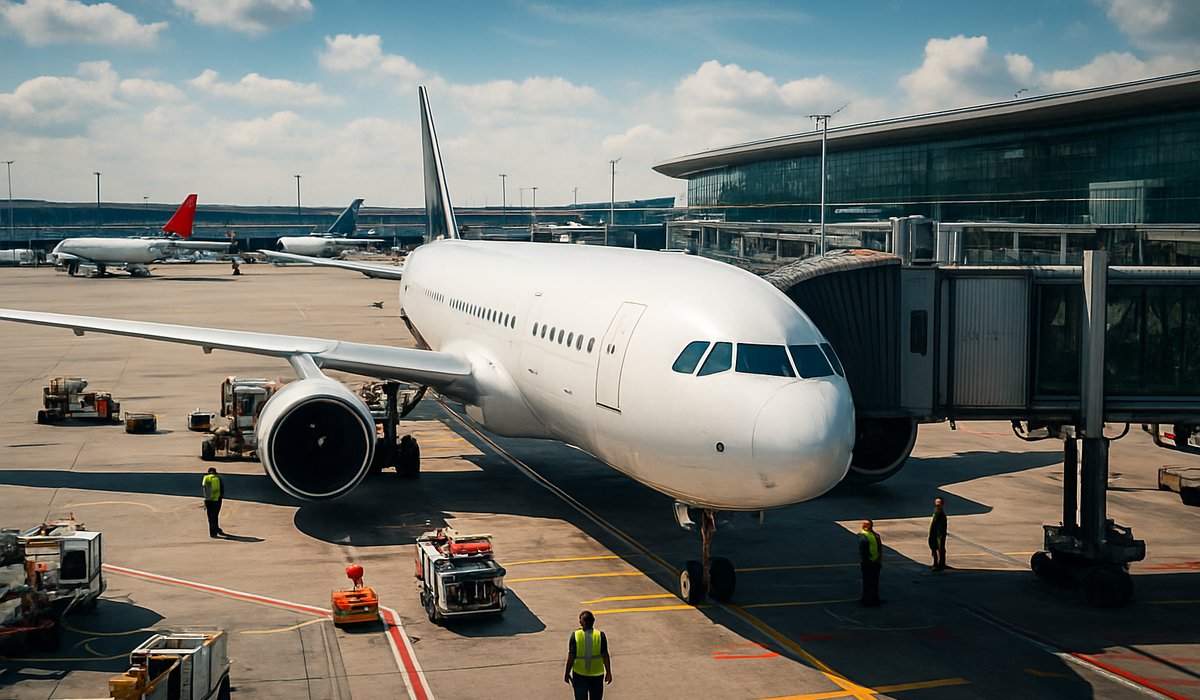
Image generated by AI
The global aviation industry faces unprecedented challenges as major Middle Eastern carriers struggle to rebuild operations amid escalating regional tensions. Qatar Airways, Emirates, Etihad Airways, and Singapore Airlines have all announced significant flight modifications, route suspensions, and operational adjustments affecting millions of passengers worldwide.
This crisis represents one of the most significant disruptions to international air travel since the pandemic recovery period. Travelers planning trips through the Middle East or connecting via these major hubs need immediate, actionable information about what's changing and how to protect their bookings. Understanding these developments is crucial for anyone with upcoming flights, as route changes and schedule modifications continue evolving daily.
The situation impacts not just regional travel but global connectivity, as these airlines operate critical hub-and-spoke networks connecting Asia, Europe, Africa, and the Americas. Whether you're a frequent flyer or occasional traveler, this comprehensive guide explains the current situation and what you need to know.
Understanding the Current Middle East Aviation Crisis
The Middle East aviation crisis stems from escalating geopolitical tensions affecting airspace safety, operational logistics, and international flight routing. Several factors contribute to the current disruptions affecting major carriers.
Airspace closures and restrictions represent the primary operational challenge. Multiple countries have implemented temporary flight restrictions over sensitive regions, forcing airlines to reroute flights through longer, more expensive corridors. These detours add 2-4 hours to typical flight times and increase fuel consumption significantly.
Operational capacity constraints have emerged as airlines reduce frequencies on affected routes. Qatar Airways has suspended or reduced service to several destinations, while Emirates has adjusted its massive Dubai hub operations. Etihad Airways faces similar challenges managing its Abu Dhabi operations, and Singapore Airlines has modified its Middle East connections affecting Asia-Europe routes.
Key Operational Impacts
The disruptions manifest across multiple dimensions:
- Route suspensions affecting direct flights between major cities
- Schedule reductions on existing routes, with fewer daily departures
- Aircraft repositioning delays causing cascading schedule impacts
- Crew scheduling complications from extended flight times
- Increased operational costs passed partially to passengers
Passenger connectivity has suffered significantly. Travelers relying on Middle Eastern hubs for connections face longer layovers, missed connections, and rebooking challenges. The hub-and-spoke model that made these airlines efficient now creates vulnerability during regional crises.
Airlines are implementing dynamic pricing adjustments reflecting increased operational costs and reduced capacity. Expect 15-30% higher fares on affected routes compared to pre-crisis pricing. Business class and premium economy seats show the steepest increases.
Qatar Airways: Navigating Operational Challenges and Route Adjustments
Qatar Airways, operating from Doha's Hamad International Airport, faces unique challenges managing one of the world's most extensive international networks. The airline has announced strategic route modifications affecting both short and long-haul operations.
The carrier has suspended service to several regional destinations while maintaining core intercontinental routes. Doha-London, Doha-New York, and Doha-Singapore routes continue operating but with adjusted frequencies. However, regional routes to Iraq, Iran, and Syria remain suspended indefinitely.
Flight frequency reductions affect popular routes significantly. The Doha-Paris route has decreased from 14 weekly flights to 10, while Doha-Frankfurt operates at 60% capacity. These reductions create booking challenges during peak travel seasons, with premium cabin availability particularly limited.
Qatar Airways Passenger Impact
Affected passengers face several considerations:
- Longer connection times at Doha hub (now averaging 3-4 hours minimum)
- Rebooking options on partner airlines with potential fare differences
- Compensation eligibility under EU261 regulations for delays exceeding 3 hours
- Lounge access extensions for passengers with extended layovers
- Meal voucher provisions for connections over 4 hours
Frequent flyer programs remain operational, though award availability has tightened considerably. Oneworld alliance partners including American Airlines and British Airways offer alternative routing options, though these typically involve longer itineraries.
The airline has committed to maintaining schedule reliability on remaining routes, implementing enhanced crew scheduling and aircraft maintenance protocols to prevent cascading delays. However, passengers should expect occasional last-minute schedule adjustments as the situation evolves.
Emirates and Etihad Airways: Hub Operations Under Pressure
Emirates and Etihad Airways operate the world's largest Middle Eastern hubs, making them particularly vulnerable to regional disruptions. Both carriers have implemented comprehensive operational restructuring affecting their global networks.
Emirates, based in Dubai, has reduced operations at its primary hub by approximately 20-25%. The airline has suspended flights to 8-10 destinations while maintaining service to major European, Asian, and North American cities. Dubai-London Heathrow, Dubai-New York JFK, and Dubai-Singapore remain operational but with reduced frequencies.
Etihad Airways has taken similar measures from Abu Dhabi. The carrier has consolidated operations focusing on profitable long-haul routes while reducing regional frequencies. Abu Dhabi-London, Abu Dhabi-New York, and Abu Dhabi-Sydney routes continue with adjusted schedules.
Operational Restructuring Details
Both airlines have implemented:
- Hub consolidation strategies reducing connecting passenger volumes
- Aircraft redeployment to less-affected regions
- Crew base adjustments in secondary hubs
- Maintenance schedule optimization to maximize aircraft availability
- Partnership expansions with non-Middle Eastern carriers
Passenger rebooking has become increasingly complex. Emirates and Etihad are offering alternative routing through European hubs (Frankfurt, London, Paris) and Asian hubs (Singapore, Bangkok, Hong Kong). These alternatives typically add 4-8 hours to total journey time.
Baggage handling has improved despite operational challenges. Both carriers maintain baggage guarantee programs, ensuring luggage reaches final destinations even if passengers require rebooking. However, baggage delays of 24-48 hours are more common than pre-crisis levels.
Refund policies have been clarified. Passengers can request full refunds for suspended routes, though travel credits remain the default option. Refund processing currently takes 4-6 weeks due to high demand.
Singapore Airlines: Managing Asia-Europe Connectivity Disruptions
Singapore Airlines, while not Middle East-based, operates critical routes through the region connecting Asia and Europe. The carrier has modified its Middle East routing strategy significantly.
The airline has increased frequencies on alternative routes avoiding Middle Eastern airspace. Singapore-London via India and Singapore-Paris via Middle East alternatives now represent primary routing options. These changes add 1-2 hours to typical flight times but maintain schedule reliability.
Changi Airport connections have been optimized to accommodate longer layovers. The airline has expanded lounge facilities and enhanced ground services for passengers with extended connections. Premium passengers receive complimentary hotel accommodations for layovers exceeding 8 hours.
Singapore Airlines Strategic Response
The carrier's approach includes:
- Route diversification reducing Middle East dependency
- Partnership activation with Middle Eastern carriers for code-share alternatives
- Capacity reallocation to unaffected routes
- Schedule optimization maintaining connectivity while avoiding disruptions
- Passenger communication providing real-time routing information
Booking flexibility has been enhanced. Passengers can change flights without penalties up to 24 hours before departure. Fare differences are waived for changes to alternative routing, though premium cabin upgrades require additional payment.
Frequent flyer programs offer bonus miles for passengers accepting alternative routing. Star Alliance partners including Lufthansa, United, and ANA provide seamless rebooking on their networks.
What Travelers Need to Know: Practical Guidance and Booking Strategies
Understanding the current situation enables informed travel decisions. Here's actionable guidance for passengers with upcoming flights.
Before Booking
- Check airline websites for current route status and schedule information
- Verify airspace restrictions affecting your specific routing
- Compare alternative carriers not dependent on Middle Eastern hubs
- Review cancellation policies before purchasing tickets
- Consider travel insurance covering airline disruptions and cancellations
After Booking
- Monitor flight status regularly through airline apps and websites
- Enable flight alerts for schedule changes and notifications
- Verify connection times ensuring adequate layover buffers
- Confirm baggage policies for your specific routing
- Document booking references for potential compensation claims
During Travel
- Arrive early for check-in (3 hours for international flights)
- Confirm connections with ground staff before deplaning
- Keep receipts for any expenses incurred due to delays
- Contact airline immediately if you miss connections
- Request written confirmation of any rebooking arrangements
Compensation eligibility depends on flight origin and airline. EU261 regulations provide €250-€600 compensation for delays exceeding 3 hours on EU flights. US regulations offer different protections, while Asian routes have varying compensation frameworks.
Travel insurance becomes increasingly valuable during this period. Comprehensive policies covering airline disruptions, cancellations, and rebooking costs provide financial protection and peace of mind. Annual travel insurance offers better value for frequent travelers.
Current Flight Changes and Route Status Updates
Real-time information is essential given the rapidly evolving situation. Here's the current status of major routes and services.
Suspended Routes
- Qatar Airways: Doha-Baghdad, Doha-Tehran, Doha-Damascus
- Emirates: Dubai-Baghdad, Dubai-Tehran, Dubai-Beirut (partial)
- Etihad Airways: Abu Dhabi-Baghdad, Abu Dhabi-Tehran
- Singapore Airlines: No direct suspensions, but routing modifications
Reduced Frequency Routes
- Qatar Airways: Doha-London (14→10 weekly), Doha-Paris (10→7 weekly)
- Emirates: Dubai-London (21→16 weekly), Dubai-Frankfurt (14→10 weekly)
- Etihad Airways: Abu Dhabi-London (10→7 weekly), Abu Dhabi-Paris (7→5 weekly)
- Singapore Airlines: Singapore-London (14→12 weekly via alternative routing)
Extended Flight Times
- Doha-London: +45 minutes average
- Dubai-Paris: +1 hour average
- Abu Dhabi-Frankfurt: +50 minutes average
- Singapore-London: +1.5 hours average
Schedule stability is improving gradually. Airlines report 95%+ on-time performance on remaining routes, though occasional last-minute adjustments continue. Booking flexibility remains advisable for the next 60-90 days.
Passenger volumes have decreased approximately 15-20% on affected routes. This creates better availability for premium cabins and improved ground service due to reduced congestion. However, fares remain elevated reflecting reduced capacity.
Looking Ahead: Recovery Timeline and Future Outlook
The aviation industry anticipates gradual normalization over the coming months. Optimistic scenarios suggest partial recovery within 60-90 days, with full restoration potentially requiring 6-12 months.
Airline contingency planning includes permanent route modifications if regional tensions persist. Alternative hub development in less-affected regions represents a potential long-term strategy. Partnership expansion with non-Middle Eastern carriers may become permanent.
Passenger behavior is shifting toward alternative routing and non-Middle Eastern carriers. This could create permanent market share changes even after the crisis resolves. European and Asian carriers are gaining competitive advantages during this period.
Technology investments in real-time rebooking systems and **dynamic routing algorithms
Disclaimer
This article is for informational and educational purposes only. It does not constitute legal, financial, or professional advice. While we strive to provide accurate and up-to-date information, travel policies, regulations, and conditions change rapidly. Always verify information with official sources before making travel decisions. Nomad Lawyer makes no representations about the accuracy, reliability, completeness, or suitability of the information provided. Readers should consult qualified professionals for advice specific to their circumstances. The views expressed in this article are those of the author and do not necessarily reflect the views of Nomad Lawyer.
Raushan Kumar
Founder & Lead Developer
Full-stack developer with 11+ years of experience and a passionate traveller. Raushan built Nomad Lawyer from the ground up with a vision to create the best travel and law experience on the web.
Learn more about our team →