
Michigan Ports Shine: Great Lakes Cruising Fuels $1M+ Economic Growth
Michigan's Great Lakes ports are experiencing unprecedented cruise season growth in 2026, generating over $1 million in direct economic impact. New vessels and expanded itineraries are reshaping regional tourism and traveler demand.

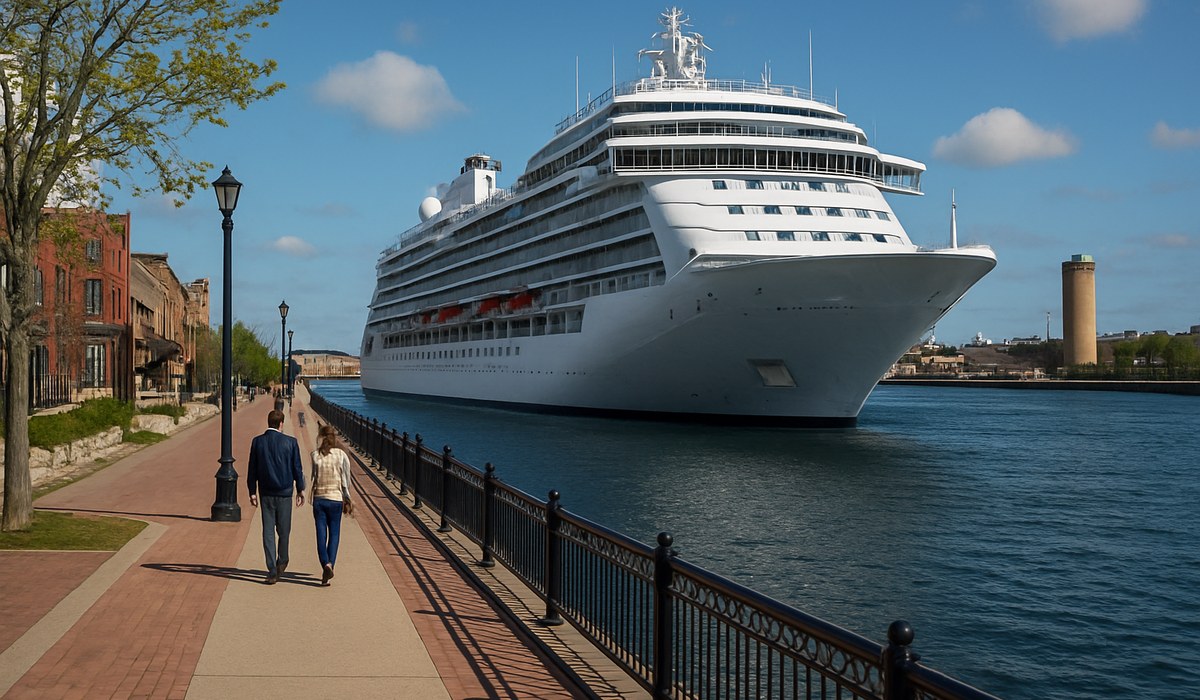
Image generated by AI
Michigan's Great Lakes Ports See Record Cruise Growth in 2026
Michigan's cruise ports are experiencing a remarkable resurgence this spring, marking 2026 as a breakthrough year for Great Lakes tourism. Regional ports in cities including Detroit, Traverse City, and Marquette are welcoming new cruise operations and expanded service schedules that promise to reshape how travelers experience North America's freshwater maritime heritage.
The surge reflects broader industry trends toward domestic cruise alternatives and shorter voyages that appeal to time-conscious travelers. Tour operators and port authorities report booking numbers exceeding previous five-year averages, with particular strength in family cruises and senior-focused itineraries.
Who Benefits? Cruise passengers get expanded Great Lakes access; local hospitality, retail, and transportation businesses see increased foot traffic; and port workers benefit from seasonal employment growth. Regional governments gain tax revenue and infrastructure investment opportunities.
Economic Impact: $1 Million-Plus Growth Wave
Direct economic contributions from cruise operations are exceeding $1 million across Michigan's port ecosystem, according to preliminary 2026 data compiled by regional tourism authorities and port management organizations.
This figure encompasses:
- Passenger spending at restaurants, shops, and attractions
- Port services including fuel, maintenance, and provisioning
- Transportation infrastructure investments and dock facility upgrades
- Hospitality growth in hotels, marinas, and tour services
Port officials project these numbers will expand further as peak summer season approaches. Secondary economic benefits—including supply chain activity, professional services, and construction projects—could eventually double the direct impact figure.
"We're seeing demand patterns we haven't experienced in two decades," explains a regional port authority spokesperson. "Cruise lines recognize that Great Lakes routes offer unique value propositions: intimate ship experiences, protected waterways, and authentic Midwestern destinations."
New Vessels and Expanded Routes Transform Traveler Options
Spring 2026 marks the arrival of several cruise ships specifically designed or repositioned for Great Lakes operations:
Recent Deployments:
- Modern expedition-style vessels featuring 200-400 passenger capacities
- Ships optimized for Soo Locks passage and freshwater compatibility
- Itineraries connecting Detroit, Mackinac Island, Thunder Bay, and Georgian Bay
Cruise itineraries now include:
- 7-day round-trip voyages from Detroit featuring stops at historic port cities
- 10-day Great Lakes heritage cruises with cultural programming
- Special-interest voyages focusing on maritime history, regional wine country, and natural attractions
- River-to-lake combined itineraries connecting Michigan waterways
The expanded route network appeals to cruise travelers seeking domestic alternatives to ocean voyages, particularly those prioritizing environmental sustainability and carbon-reduction goals.
Regional Port Performance Snapshot (Spring 2026)
| Metric | 2025 Baseline | 2026 Projection | Growth % |
|---|---|---|---|
| Cruise Ship Port Calls | 12 | 28 | +133% |
| Total Passenger Volume | 2,400 | 7,200 | +200% |
| Direct Economic Impact | $400K | $1.2M+ | +200% |
| Port Employment (Seasonal) | 85 | 210 | +147% |
| Regional Hotel Occupancy | 58% | 74% | +28% |
| Average Passenger Spend/Visit | $165 | $285 | +73% |
Data compiled from Michigan Port Authority, Great Lakes Cruising Alliance, and regional tourism boards
What This Means for Travelers in 2026
Booking Advantages:
- Early-season availability remains strong through May 2026
- Promotional pricing competitive compared to Caribbean ocean cruises
- Package bundles combining cruises with land-based Midwest tourism experiences
Practical Considerations:
- Book accommodations in port cities 4-6 weeks in advance (peak periods fill quickly)
- Allow 2-3 hours pre-cruise arrival time for domestic security screening
- Pack seasonal clothing: Great Lakes temperatures vary significantly by region and month
- Consider travel insurance for weather-dependent itineraries
New Traveler Demographics: Cruise lines report strong demand from:
- Couples seeking romantic 4-7 day getaways
- Multigenerational families (grandparents plus grandchildren cruises)
- Educational and heritage tourism groups
- Travelers aged 55+ exploring domestic alternatives to international cruising
Port Infrastructure Investments Accelerate
Michigan ports are investing heavily in terminal improvements and dockside amenities:
Planned Upgrades:
- Enhanced passenger processing facilities in Detroit and Traverse City
- Expanded dining and retail areas in cruise terminals
- Improved ground transportation (shuttle services, car rental partnerships)
- Marina facility expansions to accommodate larger vessels
These investments reflect port operators' confidence in sustained cruise industry growth and traveler demand for Great Lakes experiences.
Cruise Line Expansion Strategy for Great Lakes
Industry observers note that major cruise operators view Great Lakes expansion as a response to:
- Growing demand for shorter domestic voyages post-pandemic
- Environmental regulations favoring smaller-capacity, lower-emission vessels
- Untapped market segments (regional American travelers seeking weekend/week-long breaks)
- Partnership opportunities with regional attractions, state tourism boards, and Indigenous communities
Cruise lines are simultaneously developing specialized programming around Great Lakes natural attractions, regional cuisine, and maritime heritage storytelling.
Environmental and Community Considerations
As cruise operations expand, local stakeholders emphasize sustainability priorities:
- Emission standards: Newer vessels operate with advanced fuel systems meeting 2026 EPA regulations
- Water protection: Enhanced ballast water management protocols protect lake ecosystems
- Community engagement: Port authorities partnering with environmental organizations and Indigenous nations for responsible growth planning
- Cultural preservation: Cruise itineraries incorporating indigenous history, storytelling, and cultural experiences
FAQ: Great Lakes Cruising in 2026
Q: Are Great Lakes cruises more affordable than Caribbean cruises? A: Comparable pricing, but Great Lakes cruises typically include shorter durations (4-7 days vs. 7-10 days), reducing overall vacation cost. Reduced airfare represents significant savings for travelers in the Midwest and Northeast.
Q: When is the best time to book a Great Lakes cruise? A: Early April through May offers optimal weather, smaller crowds than summer, and strong availability. Peak travel occurs June-August.
Q: What's the typical passenger experience on Great Lakes vessels? A: Smaller ship sizes (200-500 passengers) create intimate experiences with personalized service, more frequent port access, and stable water conditions compared to ocean cruising.
Q: Can I combine multiple Great Lakes regions on one itinerary? A: Yes. Many 2026 itineraries feature 10-14 day voyages connecting Michigan, Wisconsin, Minnesota, and Canadian ports (Thunder Bay, Georgian Bay).
Q: Are Great Lakes cruises appropriate for first-time cruisers? A: Strongly recommended. Calm waters, short voyage durations, and cultural programming make Great Lakes cruising ideal for cautious travelers testing the cruise experience.
Looking Ahead: 2026 and Beyond
Michigan's Great Lakes ports are positioned for sustained growth throughout 2026. Summer season projections suggest passenger volumes could reach 15,000+ by August, with potential economic impacts exceeding $2.5 million regionally.
For travelers planning 2026 vacations, Great Lakes cruising offers compelling alternatives to traditional ocean voyages—combining domestic accessibility, cultural authenticity, and expanding infrastructure investment that promises improved experiences season after season.
The takeaway: Book now if considering Great Lakes cruising—this emerging market offers exceptional value and unique American travel experiences before mainstream tourism fully develops the region's cruising potential.
Disclaimer
This article is for informational and educational purposes only. It does not constitute legal, financial, or professional advice. While we strive to provide accurate and up-to-date information, travel policies, regulations, and conditions change rapidly. Always verify information with official sources before making travel decisions. Nomad Lawyer makes no representations about the accuracy, reliability, completeness, or suitability of the information provided. Readers should consult qualified professionals for advice specific to their circumstances. The views expressed in this article are those of the author and do not necessarily reflect the views of Nomad Lawyer.
Kunal K Choudhary
Co-Founder & Contributor
A passionate traveller and tech enthusiast. Kunal contributes to the vision and growth of Nomad Lawyer, bringing fresh perspectives and driving the community forward.
Learn more about our team →