
Mexico Coastal Destinations Face Luxury Tourism Slowdown as US Travelers Shift Spending
Mexico's premier coastal hubs—Los Cabos, Cancún, and Puerto Vallarta—face softer international air arrival growth in 2026 as luxury travelers seek value.

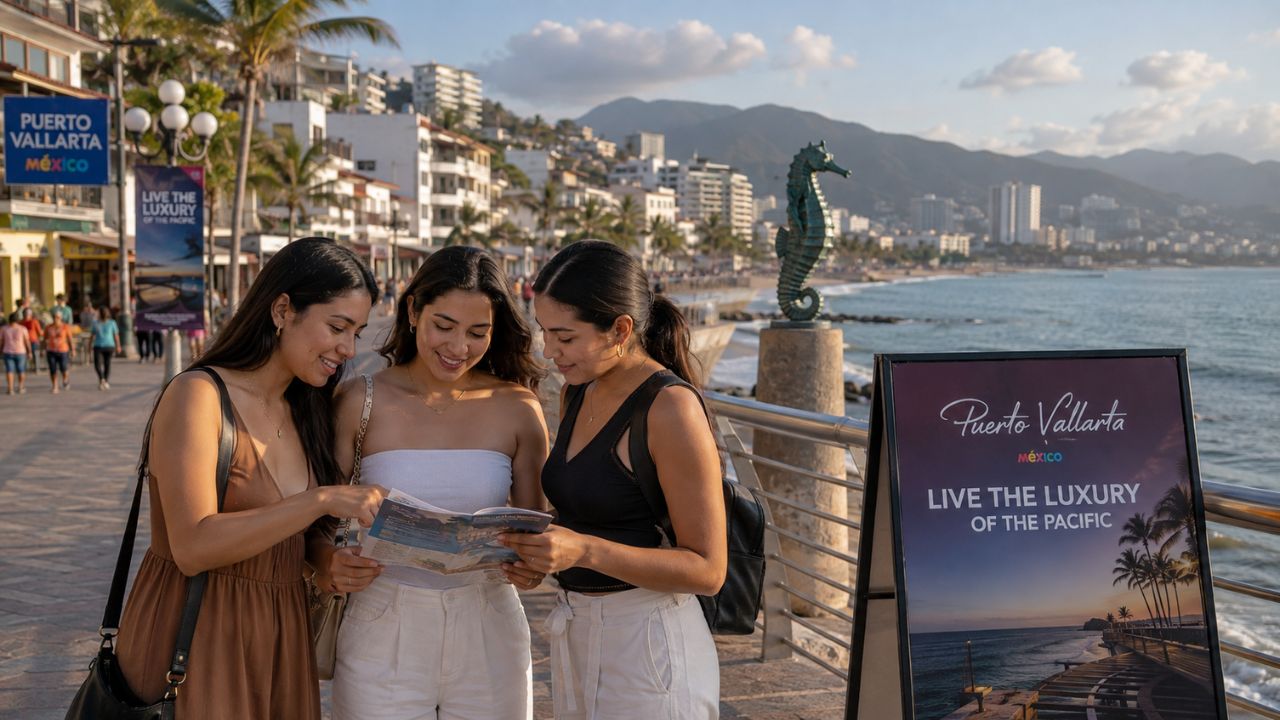
Image generated by AI
Mexico’s premier beach destinations—including Los Cabos, Cancún, and Puerto Vallarta—are experiencing a slowdown in international luxury arrivals as rising resort costs and changing U.S. travel patterns prompt vacationers to seek greater value.
[MEXICO CITY] — Official international air arrival tracking shows a deceleration in high-spending international visitor momentum across Mexico’s flagship coastal destinations during the spring and early summer period of 2026. Following years of rapid post-pandemic expansion, major resort hubs like Los Cabos, Cancún, and Puerto Vallarta are encountering market adjustments driven by elevated accommodation tariffs, higher airfares, and increasing price sensitivity among North American travelers. Industry analysts emphasize that while global brand recognition remains strong, luxury vacationers are becoming far more selective, comparing Mexican beach resorts against competing Caribbean and Latin American destinations.
Los Cabos Encounters High-Cost Pressure in US Luxury Market
Los Cabos, long established as Mexico’s most exclusive Pacific luxury enclave, faces new demand pressures after consecutive years of record rate growth.
The destination relies heavily on affluent U.S. feeder markets, particularly travelers from the West Coast. However, cumulative increases in room rates, resort service charges, and high-end dining expenses have elevated overall trip costs, causing some high-yield travelers to evaluate alternative luxury options.
While private villa rentals and high-end golf resorts maintain baseline demand, overall international air arrival growth into Los Cabos International Airport has moderated compared to previous peak recovery cycles.
Los Cabos Market Dynamics:
├── Feeder Sensitivity: High dependence on US West Coast high-income travelers
├── Cost Barriers: Elevated room rates, premium resort service fees & airfares
└── Market Response: Softer international air arrival growth during spring/summer 2026
Cancún and Riviera Maya Face Growing Caribbean Competition
In the Mexican Caribbean, Cancún and the broader Riviera Maya corridor are navigating a shift toward value-conscious luxury travel.
As one of Latin America's largest international tourism gateways, Cancún processes millions of arrivals from the U.S., Canada, Latin America, and Europe. However, rising accommodation tariffs and local transportation expenses have increased total vacation outlays, making mid-tier and premium travelers more price-sensitive.
Simultaneously, Cancún faces intensifying competition from rival Caribbean destinations offering aggressive all-inclusive pricing, newly opened luxury resorts, and promotional flight packages.
Mexican Caribbean Competitive Landscape:
├── Primary Challenges: Rising lodging tariffs, ground transport costs & elevated airfares
├── External Rivals: Competing Caribbean & Central American all-inclusive destinations
└── Strategic Pivot: Transitioning from volume-driven growth to value-oriented positioning
Puerto Vallarta Records Softer International Air Arrival Momentum
Along Mexico's Pacific coast, Puerto Vallarta is experiencing softer international air passenger growth after extended post-pandemic gains.
Known for its historic romantic zone, gastronomy, and cultural hospitality, Puerto Vallarta traditionally attracts a diverse mix of American, Canadian, and European leisure visitors. However, recent flight arrival metrics indicate that international growth has leveled off as outbound travelers adjust holiday budgets.
Destination managers in Puerto Vallarta face the challenge of preserving room rates while maintaining competitiveness against domestic and alternative international beach markets.
U.S. Travel Pattern Normalization Drives Coastal Market Adjustments
Changes in U.S. outbound travel behavior represent the single largest factor shaping performance across Mexico's coastal tourism sector.
The U.S. market accounts for the vast majority of international arrivals in Los Cabos, Cancún, and Puerto Vallarta. Following several years of pent-up travel demand, American leisure travel is normalizing. Concerns over domestic inflation, higher airfares, and increased household expenses have prompted U.S. tourists to shorten stay lengths or seek competitive packaging.
Even minor shifts in U.S. consumer sentiment directly impact Mexican hotel occupancy rates, highlighting the necessity for market diversification across South America and Europe.
Comparative Benchmark of Mexico's Key Coastal Tourism Hubs
The table below outlines the primary market characteristics, major cost drivers, and key competitive pressures across Mexico's leading beach destinations in 2026.
| Coastal Destination | Primary Feeder Market | Key Economic & Cost Factor | Main Competitive Threat | Strategic Adjustment Focus |
|---|---|---|---|---|
| Los Cabos | US West Coast / Affluent US | High ADRs & premium service fees | US domestic luxury & European resorts | Value-add luxury experiences |
| Cancún | US East Coast, Canada, Europe | Rising hotel rates & transit fees | Caribbean all-inclusive packages | Sustainable tourism & market diversification |
| Puerto Vallarta | US Midwest, Canada, West Coast | Elevated airfares & trip expenses | Central American eco-resorts | Cultural & authentic dining integration |
| Riviera Maya | US, Canada, Latin America | Environmental management costs | Dominican Republic & Jamaica hubs | Circular economy & eco-resort packaging |
Strategic Transformation: Prioritizing Value Over Exclusivity
The 2026 slowdown is pushing Mexican hospitality operators and tourism boards to re-evaluate pricing and marketing strategies.
Luxury tourism is evolving from pure exclusivity toward experiential value. High-end travelers are prioritizing personalized cultural tours, wellness retreats, eco-friendly practices, and authentic regional gastronomy over standard resort stays.
To maintain market share, hotel brands across Quintana Roo and Baja California Sur are introducing bundled experiences, wellness inclusions, and targeted loyalty promotions to justify premium room rates.
Why This Matters for Travelers, Hotel Operators, and Investors
Analyzing Mexico's coastal luxury tourism slowdown provides key strategic insights for vacationers and hospitality leaders:
- For International Travelers: Softer demand growth creates opportunities to secure competitive luxury packaging, room upgrades, and promotional resort credits in destinations like Los Cabos and Cancún during shoulder seasons.
- For Hotel Asset Managers: Resort operators must balance Average Daily Rate (ADR) targets with occupancy preservation, focusing on experiential value-adds rather than aggressive room rate hikes.
- For Tourism Marketing Boards: Heavily relying on U.S. travelers exposes destinations to localized economic shifts; expanding promotional campaigns into South America and Europe builds long-term demand resilience.
Related Travel Guides
Disclaimer
This article is for informational and educational purposes only. It does not constitute legal, financial, or professional advice. While we strive to provide accurate and up-to-date information, travel policies, regulations, and conditions change rapidly. Always verify information with official sources before making travel decisions. Nomad Lawyer makes no representations about the accuracy, reliability, completeness, or suitability of the information provided. Readers should consult qualified professionals for advice specific to their circumstances. The views expressed in this article are those of the author and do not necessarily reflect the views of Nomad Lawyer.
Raushan Kumar
Founder & Lead Developer
Full-stack developer with 11+ years of experience and a passionate traveller. Raushan built Nomad Lawyer from the ground up with a vision to create the best travel and law experience on the web.
Learn more about our team →