
Mexico Increases Cruise Passenger Fees to $10 in 2026 With Planned Hikes Up to $21 by 2028
Mexico has doubled its cruise passenger fee to $10 as part of a phased increase reaching $21 by 2028, joining other American nations in raising tourist levies.

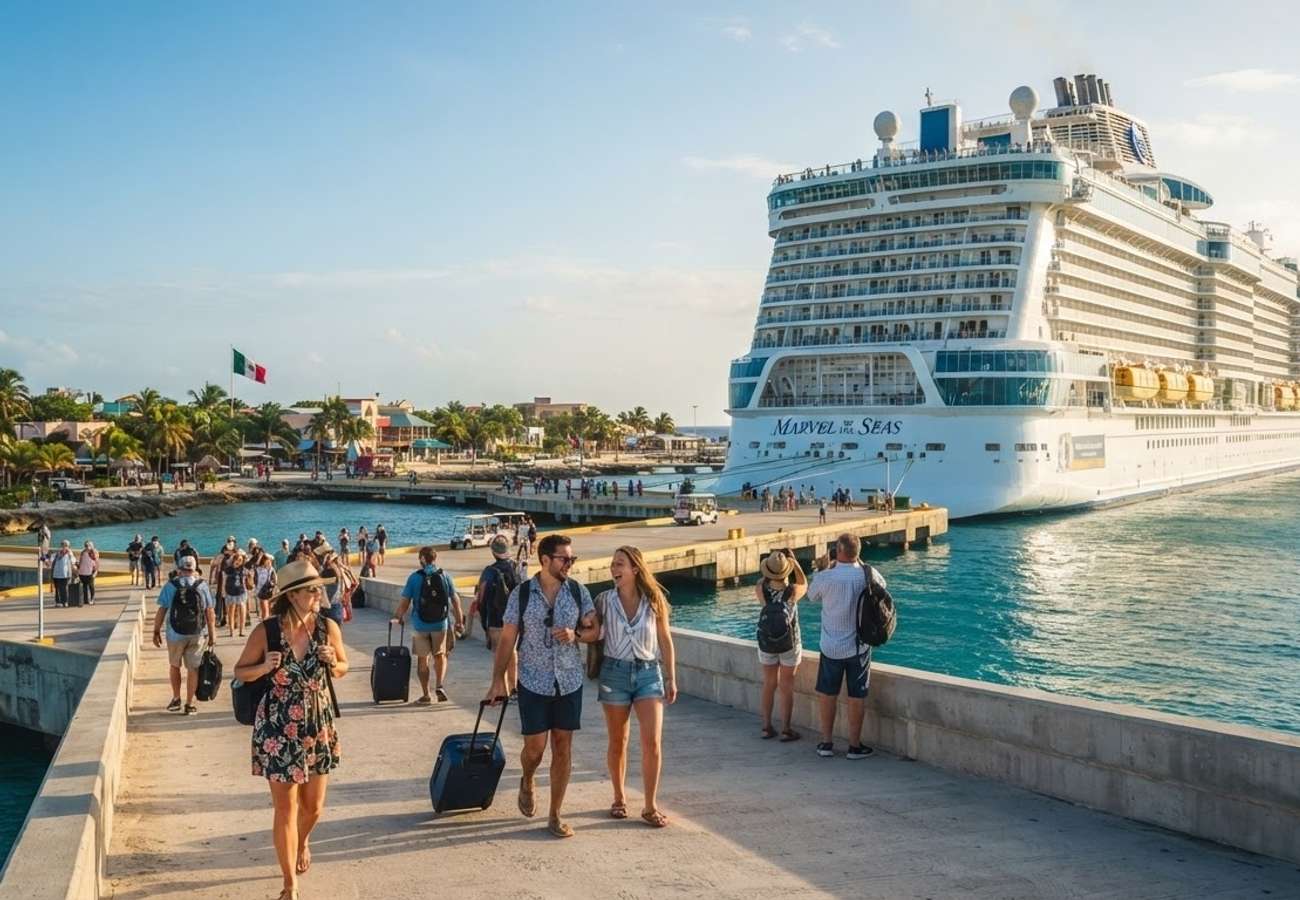
Image generated by AI
Mexico has doubled its entry fee for foreign cruise tourists to $10 as of August 1, 2026, marking the start of a phased price hike that will see costs climb to $21 per person by 2028. This move reflects a broader trend across the Americas and the Caribbean, where governments are aggressively implementing new levies to capture more economic value from short-term visitors who utilize local infrastructure.
The shift is particularly impactful for North American travelers, who are now scrutinizing the total cost of itineraries as "hidden" port fees become more substantial. While cruise passengers often spend only a few hours in a destination, their collective impact on transport, waste management, and local attractions has prompted several nations to move away from previous tax exemptions.
Mexico Implements Phased Fee Structure for Port Visitors
The recent price adjustment in Mexico is not a one-time event but part of a strategic, multi-year escalation. On August 1, 2026, the cost for foreign cruise passengers to enter Mexican ports rose from $5 to $10. This charge applies to some of the region's most frequented hubs, including Cozumel, Costa Maya, Puerto Vallarta, and Cabo San Lucas.
According to official schedules, the financial burden on travelers will continue to grow. The fee is slated to rise to $15 on July 1, 2027, before reaching a peak of $21 starting August 1, 2028. This final rate is expected to remain in place through September 30, 2030.
This phased approach was the result of intense diplomacy. In December 2024, the Mexican Congress initially proposed a much more aggressive levy of 860.56 pesos (approximately $42 at the time). This proposal met with fierce resistance from the cruise industry. Following negotiations between the Mexican government and the Florida-Caribbean Cruise Association (FCCA), the $42 charge was scrapped in favor of the current gradual increase.
Regional Comparison of Cruise Passenger Levies
Mexico is not alone in this strategy. A wide array of Caribbean and American destinations utilize similar "head taxes" or environmental levies to fund tourism infrastructure. These fees are typically collected by the cruise lines or shipping agents on behalf of the host government.
The following data outlines the current landscape of cruise-related charges across the region:
| Country / Destination | Charge Type | Approx. Amount | Status / Context |
|---|---|---|---|
| Mexico | Immigration/In-transit fee | $10 | Increased Aug 1, 2026; $15 in July 2027; $21 in Aug 2028 |
| The Bahamas | Departure tax + add-ons | $23+ | Base tax rose from $18 to $23; higher for private islands |
| Cayman Islands | Departure + Environmental fee | $6 + $1.60–$3.20 | Mandatory government charges |
| Jamaica | Tourism Enhancement Fee | Variable | Covers incoming cruise and airline passengers |
| Dominican Republic | Entry/Exit fees | $10 + departure fee | Collected via operators at ports like La Romana |
| Belize | Passenger tax/levy | ~$7 | Applied to disembarking passengers |
| Puerto Rico | Passenger tax | ~$13 | Standard disembarkation charge |
| British Virgin Islands | Passenger tax | ~$15 | Applied per disembarking passenger |
| St. Kitts & Nevis | Passenger tax | ~$6 | Standard international levy |
| Grenada | Passenger levy | ~$4.50 | Defined by specific cruise legislation |
| Saint Lucia | Passenger levy | $5+ | Recent reports suggest increases; awaiting official verification |
| Bonaire | Passenger tax | ~$3 | Standard levy for disembarking visitors |
The Logic Behind the Immigration Charge
The increase in Mexico is specifically tied to the removal of a federal immigration exemption. Historically, foreign cruise passengers were classified as "in transit," which allowed them to bypass the immigration service charges paid by traditional hotel-based tourists.
The December 2024 reform ended this privilege. While the government initially offered a 100% fiscal credit to delay the immediate impact, that grace period has expired. By removing the exemption, Mexico is effectively treating cruise visitors as standard international arrivals for the purpose of immigration processing fees.
Impact on Travel Planning and Consumer Behavior
For the individual traveler, a $10 or $21 fee may seem negligible. However, industry analysts point out that for families traveling in groups of four or more, these costs aggregate quickly. When combined with the rising costs of shore excursions and on-board spending, these mandatory government levies add a layer of friction to the booking process.
There is a growing trend of "itinerary shopping," where passengers compare the total cost of a Western Caribbean route versus an Eastern Caribbean or Central American route. Destinations like Aruba and Curaçao are often viewed as alternatives to Mexico-centric trips, though most Caribbean ports now have some form of levy in place.
Why This Matters: The Traveler's Perspective
From a logistical standpoint, these fees are rarely listed as a separate line item during the initial booking process; they are often bundled into "port expenses and taxes." For the traveler, this means the "sticker price" of a cruise is increasingly decoupled from the actual cost of the trip.
The move by Mexico suggests a shift in how destination countries view cruise tourism. For decades, the volume of passengers was the primary goal. Now, the focus is shifting toward "value per passenger." Governments are realizing that while cruise passengers spend less per capita than hotel guests, their sheer volume puts significant strain on local sewage, roads, and security. By implementing these fees, nations are attempting to shift the cost of infrastructure maintenance from the local taxpayer to the foreign visitor.
For those planning a vacation in 2027 or 2028, it is essential to check if port fees are prepaid or if they will be charged as "on-board credits" during the voyage. As Mexico's fee climbs toward $21, the disparity between "budget" cruises and "premium" experiences may shrink as mandatory taxes rise across the board.
As port taxes continue to climb, the era of the "cheap" Caribbean getaway is being replaced by a more regulated, fee-heavy tourism model.
Related Travel Guides
Disclaimer
This article is for informational and educational purposes only. It does not constitute legal, financial, or professional advice. While we strive to provide accurate and up-to-date information, travel policies, regulations, and conditions change rapidly. Always verify information with official sources before making travel decisions. Nomad Lawyer makes no representations about the accuracy, reliability, completeness, or suitability of the information provided. Readers should consult qualified professionals for advice specific to their circumstances. The views expressed in this article are those of the author and do not necessarily reflect the views of Nomad Lawyer.
Raushan Kumar
Founder & Lead Developer
Full-stack developer with 11+ years of experience and a passionate traveller. Raushan built Nomad Lawyer from the ground up with a vision to create the best travel and law experience on the web.
Learn more about our team →