
Metro DMRC Awards ₹17.21 Crore Contract for Electrical Utility Shifting
Delhi Metro Rail Corporation secures ₹17.21 crore contract in 2026 for electrical utility relocation on Rithala-Kundli corridor expansion. Infrastructure upgrade impacts commuter timelines.

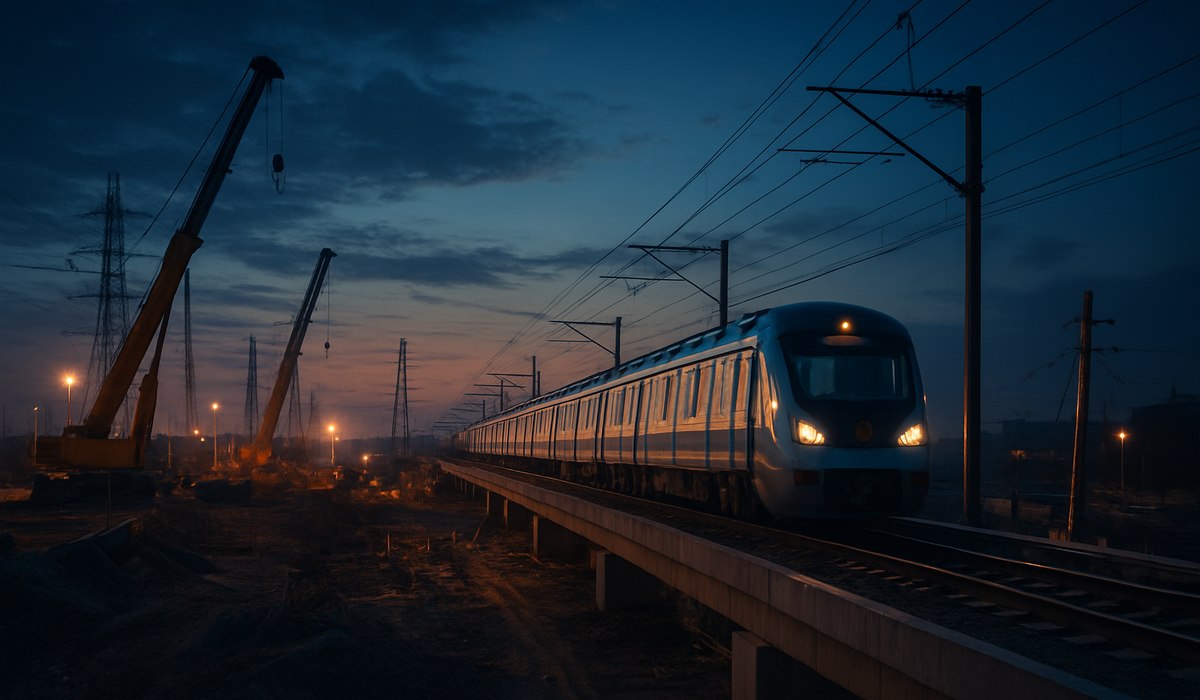
Image generated by AI
Delhi Metro Secures Major Contract for Rithala-Kundli Corridor Infrastructure Work
The Delhi Metro Rail Corporation (DMRC) has awarded a significant ₹17.21 crore contract for electrical utility relocation on the expanding Rithala-Kundli metro corridor. The Letter of Acceptance was issued to M/s Creative Entrepreneurs LLP, a specialized firm handling infrastructure modification projects. This metro DMRC awards decision marks a critical phase in extending metro connectivity to northern Delhi regions, requiring comprehensive relocation of high-voltage electrical systems operated by Tata Power Delhi Distribution Limited (TPDDL).
Contract Details and Scope of Work
The awarded contract encompasses multiple dimensions of electrical infrastructure management. M/s Creative Entrepreneurs LLP will handle supply, installation, testing, and full commissioning of 33kV, 11kV, and low-tension electrical utilities currently operated by TPDDL. The scope includes complete dismantling of street light poles that obstruct the right-of-way for the new metro corridor expansion.
This comprehensive metro DMRC awards contract represents one of the largest utility relocation projects in recent Delhi Metro expansion history. Contractors must coordinate extensively with TPDDL, municipal authorities, and residential stakeholders. The electrical utility shifting requires precision timing to minimize service disruptions across northern Delhi districts. Modern techniques ensure continuous power supply during the transition period. The project timeline spans multiple phases, with initial site assessment beginning immediately after contract commencement.
For detailed information about DMRC projects and timelines, visit the official Delhi Metro website.
Project Significance for Delhi Metro Expansion
The Rithala-Kundli corridor represents a transformational addition to Delhi's rapid transit network. Connecting northern suburbs with central business districts, this expansion will serve approximately 2.5 million residents in underserved areas. The metro DMRC awards for this corridor demonstrate institutional commitment to comprehensive infrastructure development beyond track-laying.
Electrical utility relocation is often overlooked by travelers but remains essential for safe metro operations. Modern metro systems require redundant power supplies, sophisticated signaling systems, and emergency backup mechanisms. All depend on precisely positioned electrical infrastructure. The ₹17.21 crore investment reflects the complexity of urban underground railway development in densely populated metropolitan areas.
This corridor will ultimately reduce travel times between Rithala and Kundli by approximately 35 minutes compared to existing bus routes. The expansion connects previously isolated communities to employment centers, educational institutions, and healthcare facilities across Delhi NCR.
Timeline and Implementation Strategy
The electrical utility shifting project operates under a structured implementation framework. Initial phases focus on detailed survey work, utility mapping, and stakeholder coordination. This groundwork typically requires 4-6 weeks before active shifting begins. The metro DMRC awards contract includes performance milestones tied to quarterly project completion targets.
Active shifting operations commence after securing all necessary approvals from municipal corporations, utility regulators, and residential associations. The work proceeds in designated geographic sections to maintain power supply continuity. TPDDL maintains parallel networks during transitions, ensuring minimal service interruptions. Night operations take precedence to reduce daytime disruptions to residents and commercial establishments.
Testing and commissioning phases occur systematically after infrastructure relocation. Each component undergoes rigorous validation before integration with the broader metro electrical grid. Safety protocols mandate redundant testing cycles, extending project timelines but ensuring operational reliability.
Expected project completion aligns with overall Rithala-Kundli corridor commissioning schedules, anticipated by 2027-2028. Regular progress updates will be published on the DMRC official portal with quarterly reports.
Impact on Commuters and Infrastructure Development
Travel patterns in northern Delhi will fundamentally shift upon corridor completion. The Rithala-Kundli metro extension addresses one of the city's most significant connectivity gaps. Current residents depend on congested bus networks requiring 60-90 minute commutes to reach central Delhi stations. The new corridor reduces this to approximately 25-30 minutes with metro DMRC awards projects like this electrical infrastructure upgrade ensuring reliable operations.
Construction phase impacts remain localized to designated utility corridors. Residents experience temporary power fluctuations during specific shifting periods, typically overnight hours lasting 2-4 weeks per sector. DMRC coordinates advance notifications through ward offices and community associations, allowing affected households to prepare accordingly.
Infrastructure benefits extend beyond metro commuters. Improved electrical distribution efficiency serving the broader area enhances grid stability. Modern TPDDL infrastructure accommodates growing residential and commercial demands in rapidly expanding northern suburbs. The metro DMRC awards contract integrates seamlessly with broader Delhi government sustainability initiatives targeting reduced electricity losses and improved service reliability.
| Metric | Details |
|---|---|
| Contract Value | ₹17.21 crore |
| Awarded To | M/s Creative Entrepreneurs LLP |
| Scope | 33kV, 11kV, and LT electrical utility shifting |
| Primary Utility Operator | Tata Power Delhi Distribution Limited (TPDDL) |
| Corridor | Rithala-Kundli metro expansion |
| Key Components | Street light dismantling, utility relocation, testing |
| Expected Commissioning | 2027-2028 |
| Beneficiary Population | ~2.5 million northern Delhi residents |
| Work Methodology | Phased shifting with power continuity |
| Regulatory Oversight | DMRC, municipal corporations, utility regulators |
What This Means for Travelers: Five Key Takeaways
-
Enhanced Connectivity: Upon completion, the Rithala-Kundli corridor will provide direct metro access to previously underserved northern communities, reducing average commute times by 35-40 minutes compared to existing bus networks.
-
Temporary Service Impacts: During the 18-24 month construction period, expect minor power fluctuations in affected residential areas, primarily during night hours. DMRC provides advance notifications to minimize inconvenience.
-
Improved Reliability: The metro DMRC awards contract ensures robust electrical infrastructure meeting modern safety and operational standards, translating to fewer service delays and improved metro frequency post-commissioning.
-
Station Accessibility: New stations will feature modern amenities, wheelchair accessibility, real-time passenger information systems, and integrated bus terminals reducing transfer times for cross-mode journeys.
-
Travel Planning: Current travelers should bookmark the DMRC website for opening announcements. Early adoption of the new corridor will distribute passenger loads, improving system-wide efficiency and reducing crowding on existing lines.
Frequently Asked Questions About Metro DMRC Awards and This Project
When will the Rithala-Kundli metro corridor open to commuters?
The corridor is anticipated to commence operations in 2027-2028, pending completion of all civil works, electrical infrastructure, signaling systems, and safety certifications. The metro DMRC awards contract for electrical utilities is one of several prerequisite projects enabling this timeline.
Will there be service disruptions during the electrical utility shifting work?
Localized, temporary power fluctuations may occur in affected residential areas during specific shifting phases, primarily scheduled overnight (10 PM–6 AM) to minimize commuter impact. DMRC coordinates advance notifications through municipal ward offices.
How much will metro fares cost on the new Rithala-Kundli corridor?
Fare structures typically follow DMRC's existing zonal pricing model, ranging from ₹10–60 depending on distance traveled. Exact fares will be announced 2-3 months before corridor opening.
**Can I track the metro DMRC awards
Disclaimer
This article is for informational and educational purposes only. It does not constitute legal, financial, or professional advice. While we strive to provide accurate and up-to-date information, travel policies, regulations, and conditions change rapidly. Always verify information with official sources before making travel decisions. Nomad Lawyer makes no representations about the accuracy, reliability, completeness, or suitability of the information provided. Readers should consult qualified professionals for advice specific to their circumstances. The views expressed in this article are those of the author and do not necessarily reflect the views of Nomad Lawyer.
Raushan Kumar
Founder & Lead Developer
Full-stack developer with 11+ years of experience and a passionate traveller. Raushan built Nomad Lawyer from the ground up with a vision to create the best travel and law experience on the web.
Learn more about our team →