
Melaka Hotel Overbooking Crisis: How Malaysia's Tourism Boom Exposed Industry Gaps
A five-star hotel overbooking in Melaka during peak travel exposed critical operational failures. Here's what Malaysia's tourism sector learned—and what guests should know.

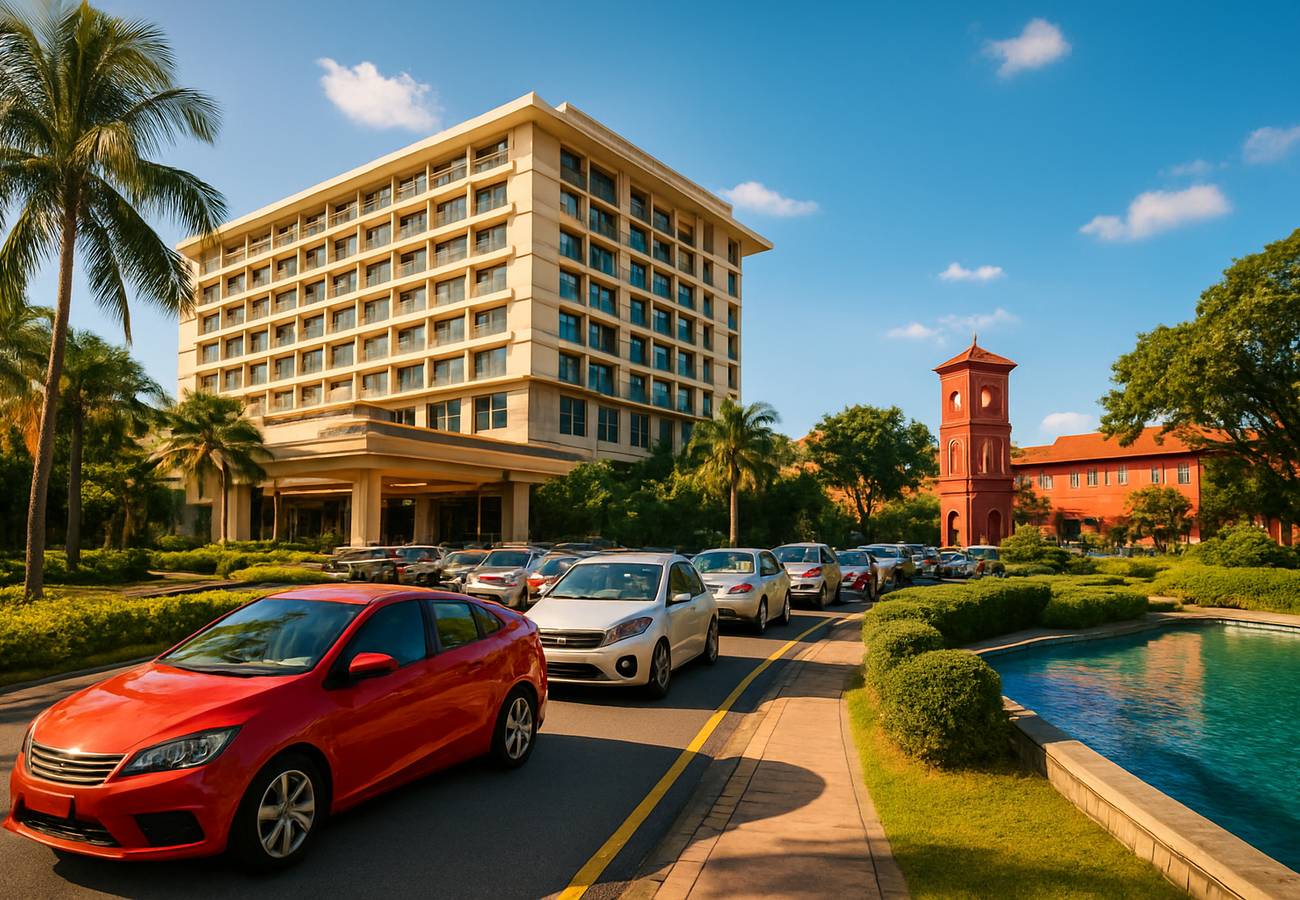
Image generated by AI
The Meltdown That Paralyzed Melaka's Hotels
It was supposed to be a weekend getaway. Instead, guests at a five-star hotel in Klebang, Melaka, found themselves trapped in snaking queues that stretched through the lobby for hours. The culprit: a catastrophic overbooking failure that left the historic Malaysian city's reputation bruised during peak travel season.
The incident struck during a long weekend when tourism demand in Melaka reached near-capacity across the entire region. What should have been a seamless check-in became a logistics nightmare—one that would soon dominate social media feeds and trigger urgent government intervention.
When Systems Fail: The Perfect Storm
The overbooking wasn't random mismanagement. A system malfunction at the hotel created a cascading failure in room allocation and preparation protocols. Guests arrived to discover their reserved rooms either non-existent or still occupied. Others stood helplessly at front desks while exhausted staff scrambled to process impossible numbers of simultaneous check-ins.
"The timing couldn't have been worse," one analyst noted. With hotels across Melaka reporting near-full occupancy, there was nowhere to redirect guests. The hotel's contingency plans—apparently non-existent—left management with few options but to apologize and compensate.
Reddit: "We waited 3 hours. They offered us a room at 2 AM in an adjacent property, no transportation provided. Unacceptable for a five-star property." — r/travel
The Government Steps In: A Rare Public Rebuke
The Melaka state government didn't stay silent. Chairman of the Melaka tourism, heritage, arts, and culture committee Datuk Abd Razak Abd Rahman publicly declared the overbooking "regrettable and preventable"—a statement that put hospitality operators on notice.
This wasn't vague criticism. The government framed the incident as a direct threat to Melaka's reputation as a cultural and heritage tourism hub. When state leaders invoke prevention language, the message to industry is unmistakable: "This should never happen again."
Officials emphasized that rising visitor numbers must be matched by operational excellence. Peak travel periods demand heightened vigilance, particularly in regions where heritage tourism attracts high volumes of domestic and international guests.
The Social Media Firestorm
Photographs of the endless queues spread across social platforms within hours. The incident became a case study in how guest frustration instantly becomes public relations damage.
What made this particularly damaging: Melaka depends heavily on repeat visitation and word-of-mouth recommendations. Travellers who experience chaos during check-in don't quietly suffer. They post. They tag the hotel. They warn friends.
Maintaining high service standards during peak periods isn't optional—it's the foundation of destination loyalty. One study by Cornell University found that negative hotel experiences are 40% more likely to be shared online than positive ones.
The Hotel's Damage Control Response
To its credit, the hotel management moved quickly. Immediate compensation, refunds, and public apologies were distributed to affected guests. The hotel announced new booking control systems, revised operational workflows, and enhanced staffing protocols.
But speed of response, while important, doesn't erase the underlying problem: the systems that could have prevented the crisis in the first place were absent or dysfunctional.
What Melaka Learned: A Blueprint for Prevention
The incident revealed gaps that are likely systemic across Malaysian hospitality. The state government called for industry-wide improvements including:
- Advanced booking verification systems that prevent overbooking before it occurs
- Real-time room availability tracking integrated with check-in operations
- Contingency protocols for handling unexpected guest surges
- Staff training programs focused on crisis communication during peak periods
- Regular operational audits to identify vulnerabilities before disasters strike
The emphasis on technology is critical. Modern hospitality management demands real-time data flows—not batch processing that discovers problems hours after they've already disrupted guests.
The Economics of Failure
Melaka's tourism sector is economically vital. The Malaysian government reported that Melaka generated approximately RM8.5 billion in tourism revenue in 2024, supporting thousands of jobs across hotels, restaurants, attractions, and transportation services.
One overbooking incident doesn't destroy an economy. But it creates negative publicity that suppresses repeat business, deters new visitors, and signals operational incompetence to potential tourists choosing between destinations.
The real cost isn't just the refunds and compensation paid. It's the repeat customers who choose Penang or Kuala Lumpur next time. It's the travel agents who quietly recommend alternatives to clients asking about Melaka.
Industry-Wide Standards: The Next Phase
Following the incident, authorities are pushing for standardized booking systems and regular compliance audits across all major hotels. The message: Melaka's reputation is shared responsibility.
Smaller operators worry about compliance costs. Larger properties see it as competitive opportunity—facilities with robust, proven systems gain market advantage. Either way, the government has made clear that operational excellence is non-negotiable.
Preparing for the Next Tourism Surge
As Melaka continues attracting record visitor numbers during weekends and public holidays, hotels must refine operations before the next peak period arrives. That means:
- Capacity planning that accounts for worst-case booking scenarios
- Staffing models flexible enough to handle 20-30% above normal volume
- Proactive communication systems that address issues before guests experience them
- Partnership agreements with nearby hotels for emergency overflow situations
The incident serves as a forcing function for an industry that—until now—has largely responded to growth reactively.
What Guests Should Know Before Booking Melaka
For travellers planning visits to Malaysia's heritage destination, the overbooking crisis carries important lessons:
Book directly with hotels rather than through discount platforms (where communication breakdowns are more likely). Request written confirmation of room availability and check-in arrangements. Consider booking during off-peak periods if flexibility allows. And if you encounter check-in delays, document them—photographs and timestamps matter for compensation claims.
The Melaka overbooking incident wasn't an isolated failure. It was a system revealing its own breaking points. The question now is whether Malaysia's hospitality industry responds by fixing those breaks, or simply hoping the next crisis occurs at someone else's property.
Chaos at check-in destroys more than your weekend—it erodes an entire destination's brand.
Related Travel Guides
Cairo Airport Disruption: 100+ Flights Delayed in April 2026
Disclaimer
This article is for informational and educational purposes only. It does not constitute legal, financial, or professional advice. While we strive to provide accurate and up-to-date information, travel policies, regulations, and conditions change rapidly. Always verify information with official sources before making travel decisions. Nomad Lawyer makes no representations about the accuracy, reliability, completeness, or suitability of the information provided. Readers should consult qualified professionals for advice specific to their circumstances. The views expressed in this article are those of the author and do not necessarily reflect the views of Nomad Lawyer.
Preeti Gunjan
Contributor & Community Manager
A passionate traveller and community builder. Preeti helps grow the Nomad Lawyer community, fostering engagement and bringing the reader experience to life.
Learn more about our team →